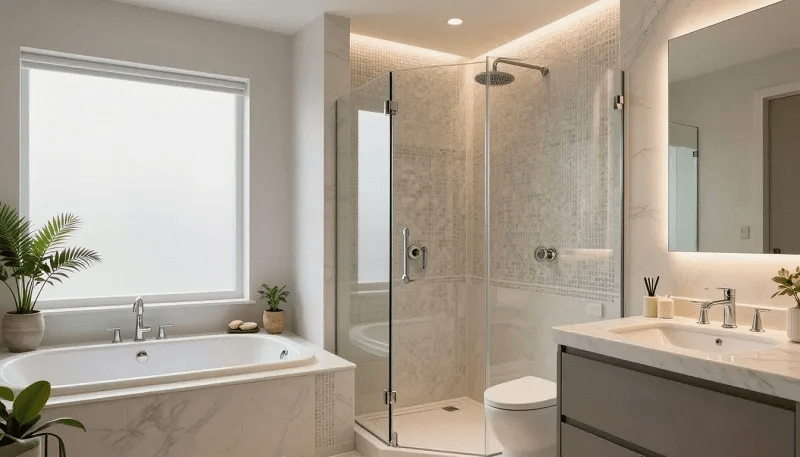
Bathroom Remodeling Guide: Complete Ideas, Costs, Design Options, and Tips for a Modern Home
A bathroom is more than a practical space used for daily routines. It is one of the most frequently used areas in a home, and its design can have a noticeable effect on comfort, convenience, organization, and overall atmosphere. An outdated bathroom may have poor lighting, limited storage, inefficient fixtures, worn surfaces, or a layout that no longer suits the needs of the household. Renovating this space provides an opportunity to correct those issues while creating an environment that feels attractive, functional, and relaxing. Whether the goal is to make a small bathroom feel more spacious or to turn a basic room into a comfortable retreat, careful planning is essential for achieving lasting results.
A successful bathroom remodeling project begins with understanding what needs to change and why. Some homeowners may want to update an old appearance, while others may need better accessibility, additional storage, improved ventilation, or more efficient plumbing fixtures. Establishing priorities before work begins helps guide design decisions and prevents unnecessary spending. Instead of selecting materials simply because they look appealing, homeowners should consider durability, maintenance requirements, moisture resistance, safety, and how each feature will work within the overall space. A well-planned renovation balances visual appeal with practical performance, allowing the bathroom to remain useful and attractive for many years.
Start With a Clear Renovation Plan
Planning is one of the most important stages of any bathroom renovation. Before selecting tiles, fixtures, paint colors, or decorative accessories, it is useful to evaluate the existing room carefully. Consider the current layout, plumbing locations, electrical connections, ventilation, storage capacity, lighting, and condition of the walls and flooring. Identifying weaknesses at this stage can prevent costly changes later in the project.
A detailed plan should also establish the purpose of the renovation. If the main problem is a lack of storage, the design should focus on cabinets, shelving, recessed niches, and other practical solutions. If the room feels cramped, the layout and visual design should emphasize openness and efficient use of space. If aging family members will use the bathroom, safety and accessibility may become major priorities. Defining these goals early makes it easier to distinguish essential improvements from features that are simply optional.
Budget planning should happen at the same time. A renovation budget should account for materials, labor, fixtures, demolition, plumbing, electrical work, ventilation, waterproofing, and possible unexpected repairs. Older bathrooms sometimes conceal damaged subfloors, outdated pipes, moisture problems, or other issues that only become visible once existing materials are removed. Keeping a reasonable contingency amount available can make the renovation process less stressful if unexpected work becomes necessary.
Choose a Layout That Improves Functionality
The layout of a bathroom has a major influence on how comfortable and efficient the room feels. Even expensive fixtures cannot compensate for a poorly arranged space. The shower, bathtub, toilet, vanity, storage units, and doors should be positioned so that people can move around comfortably without unnecessary obstacles.
In a compact bathroom, efficient planning becomes particularly important. A wall-mounted vanity can create the impression of additional floor space, while a frameless glass shower enclosure can make the room feel more open. Sliding doors may be useful where a traditional swinging door takes up valuable space. Corner storage, recessed shelving, and vertical cabinets can also provide practical storage without making the room feel crowded.
Larger bathrooms offer greater flexibility, but additional space should not automatically lead to an oversized or inefficient design. Every fixture should have a purpose, and open areas should contribute to comfortable movement. A spacious bathroom can benefit from a well-designed vanity, a generous shower, a freestanding tub, or a dedicated storage area, depending on the homeowner’s preferences. The objective should always be to create a balanced arrangement rather than simply filling available space.
Select Materials for Beauty and Durability
Bathrooms experience frequent exposure to water, humidity, cleaning products, and temperature changes. For this reason, materials should be selected for their ability to withstand demanding conditions. Attractive finishes are important, but durability and maintenance should receive equal consideration.
Flooring is one of the most important choices. Porcelain and ceramic tiles are popular because they are available in numerous colors, patterns, textures, and sizes while offering strong resistance to moisture. Natural stone can create an elegant appearance, but certain types require sealing and regular maintenance. Flooring should also provide adequate traction, especially in areas that may become wet.
Wall materials deserve similar attention. Large-format tiles can reduce the number of grout lines and create a cleaner appearance, while smaller tiles can introduce texture and visual detail. Waterproof wall systems can also be considered in areas exposed to significant moisture. Whatever material is selected, proper installation is essential because even high-quality products can perform poorly if they are not installed correctly.
Countertops should be chosen according to both appearance and practicality. Engineered stone, quartz, solid-surface materials, and other moisture-resistant options can provide attractive and durable surfaces. The best choice depends on the design style, maintenance preferences, and budget. Neutral materials often offer long-term flexibility because accessories, paint colors, and decorative elements can be changed without requiring another major renovation.
Create Better Storage Without Sacrificing Style
Insufficient storage is one of the most common problems in older bathrooms. Towels, toiletries, cleaning supplies, cosmetics, grooming products, and other everyday items can quickly create clutter when there is nowhere convenient to put them. A renovation provides an excellent opportunity to integrate storage into the design rather than treating it as an afterthought.
Vanity cabinets can provide valuable concealed storage while keeping frequently used items within easy reach. Drawers are often more convenient than deep cabinet compartments because their contents are easier to see and access. Tall cabinets can take advantage of vertical space, while recessed medicine cabinets can provide storage without extending far into the room.
Open shelving can be useful for towels and decorative items, but it should be used thoughtfully because exposed shelves can make a bathroom appear cluttered when overloaded. Built-in shower niches are another practical option for keeping shampoos, soaps, and other products organized. By combining concealed cabinets with a few carefully selected open areas, homeowners can maintain both functionality and visual simplicity.
Give Special Attention to Lighting
Lighting can completely change the appearance and usability of a bathroom. A room with inadequate lighting may feel dark, cramped, and uninviting even when the finishes are attractive. A successful lighting plan generally combines several types of illumination to serve different purposes.
General lighting provides overall visibility and may come from ceiling fixtures or recessed lights. Task lighting is especially important around the vanity, where people need clear illumination for shaving, grooming, applying makeup, or other personal routines. Wall-mounted fixtures positioned appropriately near a mirror can help reduce harsh shadows and provide more even illumination.
Accent lighting can be introduced to highlight architectural details, shelving, niches, or decorative features. Soft lighting may also contribute to a relaxing atmosphere during evening routines. Choosing energy-efficient lighting can reduce electricity consumption while providing reliable performance. Dimmers can add another layer of flexibility by allowing brightness to be adjusted according to the time of day and activity.
Improve Ventilation and Moisture Control
Moisture management is an essential part of bathroom design. Steam and humidity can contribute to mold growth, unpleasant odors, peeling finishes, damaged materials, and structural problems if they are not properly controlled. Effective ventilation helps protect both the bathroom and the wider home.
A properly sized exhaust fan can remove humid air and reduce condensation. The ventilation system should be positioned and installed correctly so that moisture is effectively exhausted rather than simply circulated within the room. Windows can provide additional ventilation where available, although they may not replace a dedicated exhaust system.
Waterproofing is equally important. Shower areas, floors, walls, and other moisture-prone surfaces should be properly prepared before finishes are installed. Waterproof membranes and appropriate sealing methods can help prevent water from penetrating into areas where it could cause hidden damage. Spending money on proper waterproofing may not produce an immediately visible result, but it is one of the most valuable investments in a renovation because it helps protect the structure beneath the finished surfaces.
Consider Water and Energy Efficiency
Modern bathroom renovations can also improve efficiency without compromising comfort. Water-saving toilets, faucets, and showerheads can reduce water consumption and may lower household utility expenses over time. Efficient fixtures are available in many designs, so homeowners do not necessarily need to sacrifice appearance to achieve better performance.
Lighting upgrades can contribute to energy savings as well. LED fixtures generally consume less electricity than traditional lighting technologies and can provide long-lasting performance. Smart controls, motion sensors, and timers may be appropriate in certain bathrooms, particularly where lights or ventilation fans are frequently left running unnecessarily.
Energy-efficient improvements should be selected based on actual household needs. A renovation does not have to include every available technology. Instead, homeowners should focus on upgrades that provide meaningful benefits in terms of convenience, resource consumption, reliability, and long-term operating costs.
Select a Design Style That Will Remain Appealing
Trends can provide inspiration, but a bathroom should ultimately reflect the homeowner’s personal preferences and practical requirements. Extremely fashionable finishes may look impressive initially but can become dated as design preferences change. A timeless foundation often provides greater long-term flexibility.
Neutral colors, simple cabinetry, quality fixtures, and classic tile patterns can create a foundation that remains attractive for years. Personality can then be introduced through mirrors, lighting, artwork, towels, hardware, accessories, and other easily replaceable elements. This approach allows the room to evolve without requiring another major renovation whenever tastes change.
Color can still play an important role. Soft neutrals can create a calm atmosphere, while deeper shades can add character and contrast. Natural textures, warm wood tones, subtle patterns, and carefully selected metallic finishes can also create visual interest. The most successful designs typically use a controlled palette rather than combining too many competing elements.
Choose Fixtures With Long-Term Use in Mind
Fixtures are among the most visible and frequently used components of a bathroom. Selecting them should therefore involve more than considering appearance. The size, placement, construction quality, ease of cleaning, and compatibility with the room’s plumbing should all be evaluated.
The vanity and sink should provide enough usable space without overwhelming the room. Toilets should fit comfortably within the available layout while leaving appropriate clearance around them. Shower systems can range from simple handheld units to more advanced combinations that provide multiple spray options. Bathtubs can serve as practical bathing features as well as visual focal points, but they should only be included when they genuinely suit the household’s lifestyle.
Hardware is another area where small choices can make a noticeable difference. Cabinet handles, faucets, shower controls, towel bars, and other accessories should coordinate with the overall design. Consistency among finishes can create a polished appearance, while intentional contrast can add visual character.
Think About Accessibility and Safety
A well-designed bathroom should be comfortable for people with different mobility levels and changing needs. Safety improvements can be incorporated into a renovation without making the room appear clinical or unattractive. Slip-resistant flooring, adequate lighting, strategically positioned grab bars, handheld showerheads, and comfortable clearances can all contribute to a safer environment.
Walk-in showers may be easier to access than traditional tub-and-shower combinations, especially when the entry is designed with minimal height differences. Shower seating can also provide convenience and support. Lever-style faucets and easy-to-operate hardware can be helpful for people who have limited hand strength or mobility.
Planning for accessibility can be valuable even when no immediate need exists. A bathroom designed with long-term usability in mind may remain comfortable as household needs change, reducing the likelihood of requiring another major renovation later.
Understand the Importance of Professional Installation
Even an excellent design can fail when installation is rushed or performed incorrectly. Plumbing, electrical work, waterproofing, ventilation, structural changes, and tile installation all require appropriate knowledge and attention to detail. Mistakes in these areas can lead to leaks, electrical hazards, damaged finishes, or expensive repairs.
Professional expertise is particularly important when changing the layout or moving plumbing fixtures. Altering water supply lines, drainage systems, electrical circuits, or ventilation routes may involve technical requirements that should be handled by qualified professionals. Experienced installers can also identify potential problems before they become more expensive to correct.
Homeowners should therefore consider the complexity of their renovation before deciding which tasks they can reasonably handle themselves. Painting, installing certain accessories, or completing simple decorative updates may be manageable for someone with the appropriate skills, but specialized work deserves professional attention.
Make the Renovation Work With Your Lifestyle
The most successful bathroom remodeling projects are designed around the people who will actually use the space. A bathroom used primarily by children may require durable finishes, accessible storage, and easy-to-clean surfaces. A personal ensuite may benefit from a more luxurious atmosphere, improved organization, and features designed around relaxation. A guest bathroom may prioritize simplicity, durability, and an inviting appearance.
Daily habits should influence the design as much as visual preferences. Think about where towels are placed, where toiletries are stored, how the shower is accessed, whether there is sufficient counter space, and how easily the room can be cleaned. These details may appear minor during the planning stage, but they have a significant effect on everyday satisfaction.
A bathroom should also be easy to maintain. Designs with excessive decorative details, difficult-to-clean surfaces, or numerous small grout lines may require more effort than homeowners expect. Choosing practical materials and creating accessible spaces can make regular cleaning faster and easier.
Avoid Common Renovation Mistakes
One of the biggest mistakes homeowners make is beginning demolition before finalizing the design. Removing existing fixtures may seem like progress, but changes made after demolition can quickly increase costs. A complete plan should be developed before major work begins whenever possible.
Another common mistake is focusing too heavily on appearance while overlooking function. A beautiful vanity with inadequate storage, an impressive bathtub that is rarely used, or delicate materials that require constant maintenance may create frustration instead of satisfaction. Design decisions should always be evaluated in terms of everyday practicality.
Underestimating the budget is another frequent problem. Renovation costs can increase when hidden water damage, outdated plumbing, structural issues, or electrical deficiencies are discovered. A realistic budget with a contingency allowance is much safer than assuming every part of the project will proceed exactly as expected.
Poor ventilation and inadequate waterproofing should never be treated as minor details. These systems are not usually the most visually exciting parts of a renovation, but they protect the room and its underlying structure. Investing in them can prevent expensive problems in the future.
Build a Bathroom That Adds Lasting Value
A thoughtfully designed bathroom can improve daily life while also contributing to the overall appeal and functionality of a home. Buyers often pay attention to bathrooms because these spaces communicate important information about maintenance, comfort, and modernity. However, renovations should primarily be designed for the people currently living in the home rather than solely for potential future buyers.
Quality workmanship, durable materials, efficient fixtures, practical storage, and a timeless design can all contribute to long-term value. Instead of spending the entire budget on luxury finishes, it can be wiser to divide resources between visible improvements and behind-the-scenes essentials such as plumbing, ventilation, waterproofing, and electrical upgrades.
Ultimately, bathroom remodeling is an opportunity to rethink how a space works rather than simply replacing old fixtures with new ones. The best results come from combining thoughtful planning, durable materials, appropriate technology, efficient layouts, attractive finishes, and professional installation. When every decision is made with both present needs and future use in mind, the finished bathroom can become a comfortable, organized, and dependable part of the home.
A renovation does not have to rely on extravagant features to make a meaningful difference. Sometimes the most valuable improvements are better lighting, smarter storage, easier cleaning, improved ventilation, safer flooring, and a layout that finally makes sense. By focusing on these fundamentals and adding personal style through carefully selected finishes and accessories, homeowners can create a bathroom that feels fresh without becoming impractical or difficult to maintain. With the right approach, a dated and inefficient space can be transformed into a welcoming environment that supports everyday routines and provides lasting comfort.