Annapurna Circuit vs Annapurna Base Camp: Which Trek Is Better?
Nepal’s Annapurna region offers some of the most rewarding trekking experiences in the Himalayas. Among its popular routes, the Annapurna Circuit and Annapurna Base Camp treks are two favorites among international trekkers.
Both take you through beautiful mountain landscapes, traditional villages, and impressive Himalayan scenery, but the experience is quite different on each route.
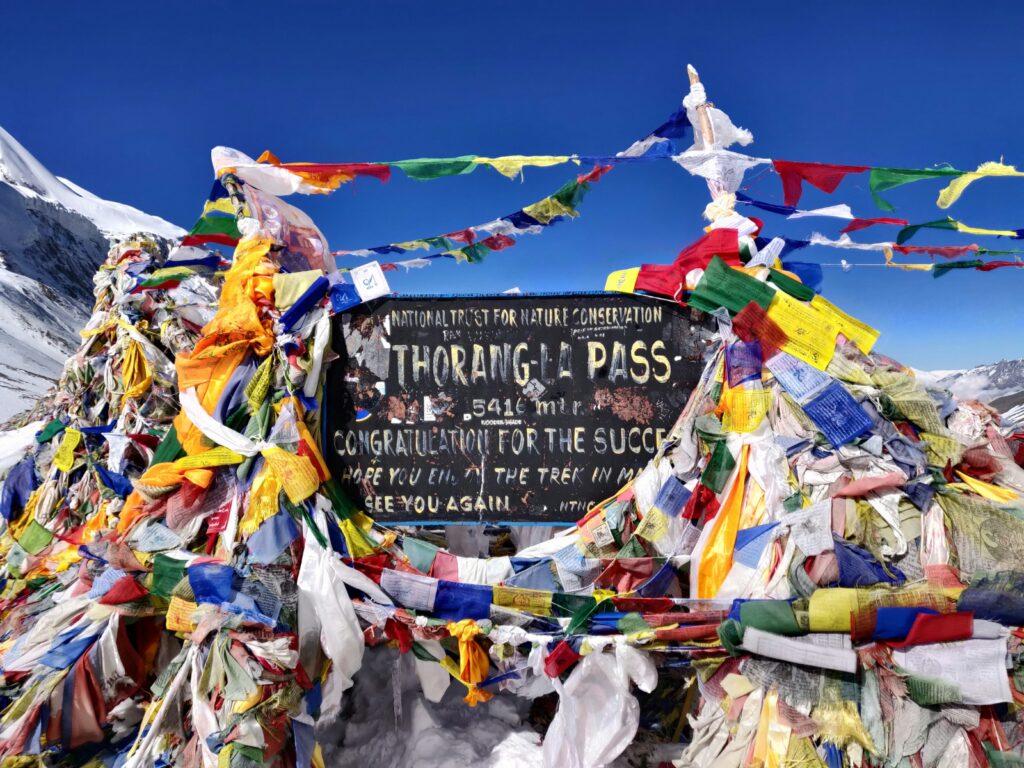
The Annapurna Circuit takes you on a longer journey around the Annapurna massif, with changing landscapes and the challenging crossing of Thorong La Pass. In contrast, the Annapurna Base Camp trek leads into a mountain sanctuary surrounded by towering Himalayan peaks.
So, which one should you choose? Let’s compare their routes, difficulty, altitude, cost, duration, and highlights to help you find the right trek for your next Nepal adventure.
Annapurna Circuit vs Annapurna Base Camp: Quick Comparison
Although both treks are located in the Annapurna region, they differ in terms of route, altitude, scenery, and overall trekking experience.
The Annapurna Circuit is a longer journey that takes you around the mountain range, while the Annapurna Base Camp trek follows a more direct trail into the Annapurna Sanctuary.
Here’s a side-by-side look at what you can expect from each trek.
| Comparison | Annapurna Circuit | Annapurna Base Camp |
| Typical duration | 10- 16 days | 5–11 days |
| Maximum altitude | 5,416 m | 4,130 m |
| Highest point | Thorong La Pass | Annapurna Base Camp |
| Difficulty | Moderate to challenging | Moderate to challenging |
What Is the Annapurna Circuit Trek?
The Annapurna Circuit Trek is one of Nepal’s classic long-distance trekking routes. It takes you around the Annapurna mountain range in northwestern Nepal, passing through traditional villages, green valleys, alpine landscapes, and high-altitude settlements.
The journey usually starts in the lower Marsyangdi Valley. As you walk higher, the surroundings gradually change from green hills and forests to the dry, rugged landscapes around Manang. After spending time acclimatizing, you’ll head towards Thorong La Pass before descending to Muktinath and the Mustang region.
One of the things that makes this trek special is the variety of scenery along the way. You won’t be looking at the same landscape every day. The route takes you through different climatic zones, from subtropical farmland to rocky mountain terrain and the dry landscapes of the trans-Himalayan region.
Major Highlights of the Annapurna Circuit Trek
- Thorong La Pass (5,416 m): At 5,416 meters, it is the highest point of the trek and a major challenge for many trekkers.
- Manang Village: It is also a popular place to spend an extra day adjusting to the altitude. You can explore the village, visit local monasteries, and take short hikes around the area.
- Muktinath Temple (3800 m): A sacred pilgrimage site for both Hindus and Buddhists.
What Is the Annapurna Base Camp Trek?
The Annapurna Base Camp Trek takes you into the Annapurna Sanctuary, a beautiful mountain valley surrounded by some of the highest peaks in the Himalayas. It is a popular choice for trekkers who want to experience close-up mountain views without committing to a longer circuit journey.
The trail follows the Modi Khola Valley, passing through traditional villages, green forests, and stone staircases before reaching Annapurna Base Camp at 4,130 meters. Along the way, you’ll experience changing scenery as the trail gradually moves from lower forested areas into the alpine surroundings of the sanctuary.
The main attraction is the mountain panorama at the base camp. Annapurna I, Annapurna South, Hiunchuli, and Machhapuchhre rise around the sanctuary, creating an impressive natural setting. For many trekkers, reaching this point is the most memorable part of the journey.
Major Highlights of the Annapurna Base Camp Trek
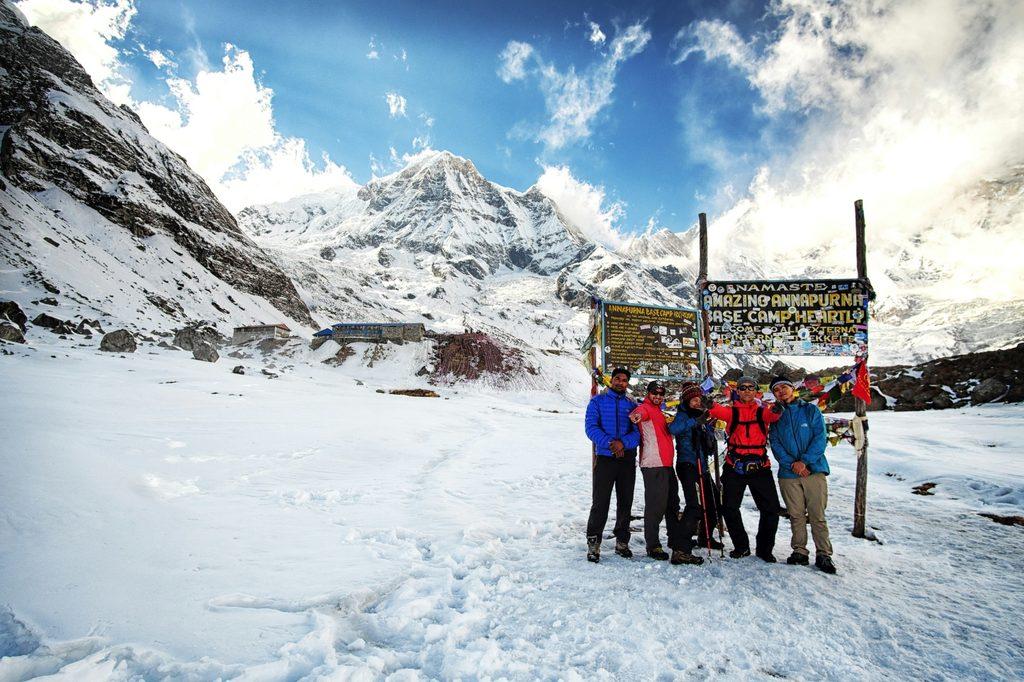
- Annapurna Base Camp (4,130 m): ABC is the main destination and highest point of the trek. Once you reach the sanctuary, you’ll find yourself surrounded by towering Himalayan peaks, including Annapurna I, one of the world’s highest mountains.
- Machhapuchhre Base Camp: It is one of the main stops before reaching ABC. It offers beautiful views of Machhapuchhre, also known as Fishtail Mountain, along with other surrounding peaks.
- Natural Hot Springs at Jhinu Danda: Trekkers can visit the natural hot springs near the Modi Khola River and relax after several days of walking.
Annapurna Circuit vs Annapurna Base Camp: 10 Major Differences
Both routes take you through the Annapurna region, but the experience can be quite different depending on which one you choose. Factors such as physical difficulty, altitude, available time, scenery, and budget can all influence your decision.
Let’s look at the main differences in more detail.
1. Trekking Difficulty and Physical Fitness
The Annapurna Circuit is generally considered more challenging than the Annapurna Base Camp trek. Its longer route, higher altitude, and the crossing of Thorong La Pass make it a demanding adventure, particularly for trekkers who have little experience at high elevations.
Which trek is easier?
Annapurna Base Camp is generally the easier option when comparing maximum altitude and overall duration. However, the repeated climbs and descents mean you’ll still need reasonable fitness and preparation.
2. Altitude and Acclimatization
Altitude is one of the biggest differences between these two trekking routes.
The Annapurna Circuit reaches 5,416 meters at Thorong La Pass, while Annapurna Base Camp reaches 4,130 meters. Because of this difference, trekkers on the Circuit need to pay particular attention to how quickly they gain elevation.
Which is better for trekkers concerned about altitude?
Annapurna Base Camp may be the more suitable choice if you prefer to avoid crossing a very high mountain pass. However, its lower elevation does not mean there is no risk of altitude sickness.
Whichever route you choose, plan a sensible ascent, allow time for acclimatization, and take altitude-related symptoms seriously.
3. Trekking Duration and Distance
The Annapurna Circuit generally takes around 10–16 days or more, depending on the itinerary and transportation arrangements.The traditional full circuit takes longer, while some modern itineraries use road transportation to shorten certain sections.
Annapurna Base Camp usually takes around 5–11 days. Since the trail follows a more direct route into the Annapurna Sanctuary and returns through the same valley, it can be completed in a shorter period.
4. Mountain Views and Scenery
The Annapurna Circuit is known for the variety of landscapes along its route. You’ll pass through green valleys, forests, rocky mountain terrain, and dry high-altitude landscapes. As the journey progresses, the scenery keeps changing, making the trek interesting throughout.
From different sections of the trail, you can enjoy views of Annapurna II, Annapurna III, Annapurna IV, Dhaulagiri, and other surrounding peaks.
Annapurna Base Camp offers a different kind of mountain experience. Rather than following a long route around the massif, the trail takes you directly into the Annapurna Sanctuary, where high Himalayan peaks rise around the valley.
5. Cultural Experiences and Local Villages
The Annapurna region is home to several mountain communities, each with its own traditions, architecture, and way of life. Both routes offer opportunities to experience local culture, although the communities and settlements you encounter are different.
The Annapurna Circuit passes through villages influenced by Gurung, Manangi, and Thakali traditions. As you travel towards Manang and Mustang, you’ll notice changes in local architecture, religious practices, food, and everyday lifestyles.
On the Annapurna Base Camp route, you’ll mainly pass through Gurung and Magar settlements. Villages such as Ghandruk and Chhomrong offer a closer look at traditional mountain homes, local hospitality, and community life.
6. Accommodation and Food
You won’t need to camp throughout either trek, as both routes have teahouses and mountain lodges where trekkers can stay overnight. These generally provide basic rooms, meals, and shared dining areas where you can relax after a day on the trail.
On the Annapurna Circuit, you’ll find accommodation in settlements such as Manang, Yak Kharka, Thorong Phedi, and Muktinath. Facilities can become simpler as you move towards higher elevations.
The ABC route also has teahouses along the way, including in Chhomrong, Bamboo, Deurali, and the base camp area. Room availability and facilities may be more limited at higher elevations, particularly during busy trekking periods.
7. Trekking Cost and Budget
Your total trekking cost will depend on more than just the route you choose. The number of days, transportation, accommodation, meals, permits, guide and porter services, and personal expenses all contribute to the final budget.
The Annapurna Circuit generally costs more because it takes longer to complete. More trekking days mean additional spending on accommodation, food, and trekking support. Transportation and itinerary extensions can also affect the overall cost.
Annapurna Base Camp is usually the more affordable option because it takes fewer days and requires fewer overnight stays and meals along the trail.
8. Weather and Best Time to Trek
While both routes can be enjoyed in different seasons, spring and autumn are generally the most popular times to trek in the Annapurna region.
Spring, from March to May, is a lovely time to explore the region. The weather is often favorable, and lower forest sections come alive with blooming rhododendrons. Autumn, from September to November, is also popular because of its relatively stable weather and clear mountain views.
Winter brings colder temperatures and possible heavy snowfall at higher elevations. On the Annapurna Circuit, Thorong La Pass can become particularly difficult to cross during periods of heavy snow.
9. Crowds and Trekking Experience
The Annapurna region attracts trekkers from all over the world, particularly during spring and autumn. As a result, both routes can get busy during peak trekking periods.
Annapurna Base Camp is a popular choice for travelers with limited time, so the trail can become crowded around well-known villages and accommodation stops. Its shorter duration and direct access to the mountain sanctuary make it particularly appealing.
The Annapurna Circuit also sees plenty of trekkers, especially around Manang, Thorong Phedi, Thorong La Pass, and Muktinath. However, because the route covers a larger area, you get to experience more villages and different sections of the trail.
Crowd levels can change depending on the season, weather, and trekking schedules.
10. Transportation and Accessibility
The Annapurna Circuit traditionally starts from the Besisahar area before continuing towards Manang and Thorong La Pass. Depending on the itinerary, road transportation may be used to reach certain starting points or skip some sections of the traditional route.
After crossing Thorong La, the trail continues towards Muktinath and the lower Mustang region, where road transportation is available from different settlements.
The Annapurna Base Camp trek usually starts with a drive from Pokhara towards a trailhead such as Nayapul or Ghandruk, depending on the chosen itinerary. After completing the trek, you’ll return towards Pokhara by road.