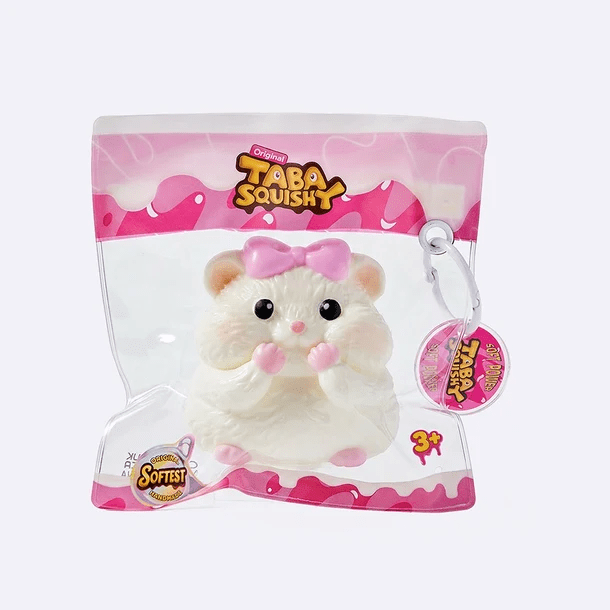
A Design-Led Gift Guide to Collectible Squishies
Gift-giving for people who already have everything is a familiar problem, and it usually leads shoppers toward one of two unsatisfying extremes: something impersonal and expensive, or something cheap and forgettable. There’s a middle ground that gets overlooked more often than it should, which is a genuinely well-designed small object that costs relatively little but shows real thought in the choosing. Collectible squishy toys, approached with a bit of design sensibility rather than treated as an afterthought stocking stuffer, fit that middle ground surprisingly well.
Thinking About Design Language, Not Just the Object
The key to making this kind of gift feel considered rather than random is paying attention to design language rather than just grabbing whatever’s on the shelf. A recipient who appreciates clean, minimal aesthetics is going to respond differently to a piece than someone who prefers bright, maximalist color schemes, and a thoughtful gift takes that distinction seriously rather than treating every squishy as functionally interchangeable. Browsing the official TABASQUISHY® collection with a specific recipient in mind, rather than picking whatever’s first on the page, is really the difference between a gift that feels generic and one that feels chosen.
Borrowing From How People Shop for Design Gifts
There’s a useful parallel here to how people already shop for design-conscious gifts in other categories. Nobody buying a nice mug or a small home object for a design-minded friend just grabs the first option they see. They think about color palette, about whether the recipient’s taste runs more toward texture and materiality or toward bold, graphic shapes. That same thinking applies perfectly well to a small tactile object, even though it’s a much lower price point than a home decor gift would typically be.
Matching a Theme to the Recipient’s Actual Interests
Theme also matters more than it might seem for a gift that’s meant to feel personal rather than generic. A recipient with a known interest, someone who loves a particular type of food, a specific animal, or a particular aesthetic, is going to connect more with a piece that speaks directly to that interest rather than a completely random pick. This is where dumpling-themed designs have found a particularly strong niche as gifts, since food-shaped novelty items carry an immediate, easy-to-understand charm that doesn’t require the giver to know much about the recipient’s specific collecting habits. An authentic dumpling squishy works well as a gift precisely because the appeal is so immediately obvious, cute, food-shaped, soft, without needing any additional context to land well.
Presentation Changes How a Gift Feels
Packaging and presentation deserve more attention in this category than they usually get credit for. A gift that arrives in generic shipping packaging feels different from one that comes in something closer to a proper gift box, even if the object inside is identical. For anyone shopping with a design-conscious recipient in mind, it’s worth considering how a piece will actually be unwrapped and experienced, not just what the object itself looks like sitting on a shelf afterward.
Why the Price Point Works in This Gift’s Favor
Price point is worth addressing honestly, because it’s part of what makes this category work so well as a gift option. A single collectible squishy typically costs far less than a traditional design object, which makes it an easy addition to a larger gift, a stocking filler, or a small standalone present for someone you don’t need to spend heavily on but still want to acknowledge thoughtfully. That low cost removes a lot of the pressure that comes with more expensive gift categories, where getting it wrong feels like a bigger miss.
A Gift That Invites Ongoing Interaction
There’s also something to be said for gifting an object that invites ongoing interaction rather than one that simply sits and looks nice. A design object on a shelf gets appreciated occasionally, when someone happens to glance at it. A tactile collectible gets picked up, squeezed, and handled repeatedly, which arguably gives it more ongoing presence in someone’s daily life than a purely visual gift would, despite costing a fraction of the price.
Occasion Matters as Much as Taste
The right choice also shifts depending on the occasion itself, not just the recipient’s general taste. A lighthearted gift for a coworker’s birthday can afford to be playful and a little silly, leaning into a fun theme without much risk of misjudging the moment. A gift for a closer friend or family member going through a harder stretch might call for something gentler and more comforting instead, a soft, simple piece rather than anything loud or attention-grabbing. Reading the occasion alongside the recipient’s taste is what separates a gift that lands well from one that merely looks nice on paper.
Shopping Tips for a Design-Minded Recipient
For anyone shopping for someone with genuine design taste who might otherwise scoff at a generic novelty gift, the key is treating the selection process with the same care you’d apply to any other considered gift. Think about color, theme, and the recipient’s specific interests rather than defaulting to whatever’s most popular or most visible. It also helps to pay attention to any pieces the recipient has mentioned in passing, a specific animal they like, a food they find funny or charming, since those small, half-remembered details often make the difference between a gift that feels generic and one that feels genuinely personal. Done thoughtfully, a small collectible squishy can feel like a genuinely well-chosen gift rather than an afterthought grabbed at the last minute.
Building a Small Gift Set Instead of a Single Item
For a slightly more elaborate gift, pairing two or three complementary pieces together often reads as more thoughtful than a single item on its own, especially if the pieces share a theme or a color palette. A small curated set signals that some actual selection happened rather than a single impulse grab, and it gives the recipient a starting point for their own small collection rather than just one isolated object. This approach works particularly well for milestone occasions, a birthday, a graduation, a new job, where a slightly more considered gift feels appropriate without needing to spend significantly more money to achieve that effect.
When a Single Standout Piece Works Better
That said, a single, well-chosen piece can outperform a larger set when the recipient’s taste is genuinely specific. Someone with a strong, clear aesthetic preference, minimalist, maximalist, focused entirely on one particular animal or food theme, is often better served by one piece that fits that preference precisely than by a broader assortment that dilutes the personal touch across several less relevant options. Reading the recipient’s taste correctly matters more here than the quantity of items included in the gift.
Final Thoughts
Good gift-giving has never really been about how much something costs. It’s about whether the choice shows that you were actually thinking about the person receiving it, and a well-chosen small object can communicate that just as well as something far more expensive, sometimes even more effectively, precisely because the effort clearly went into the choosing rather than the spending.