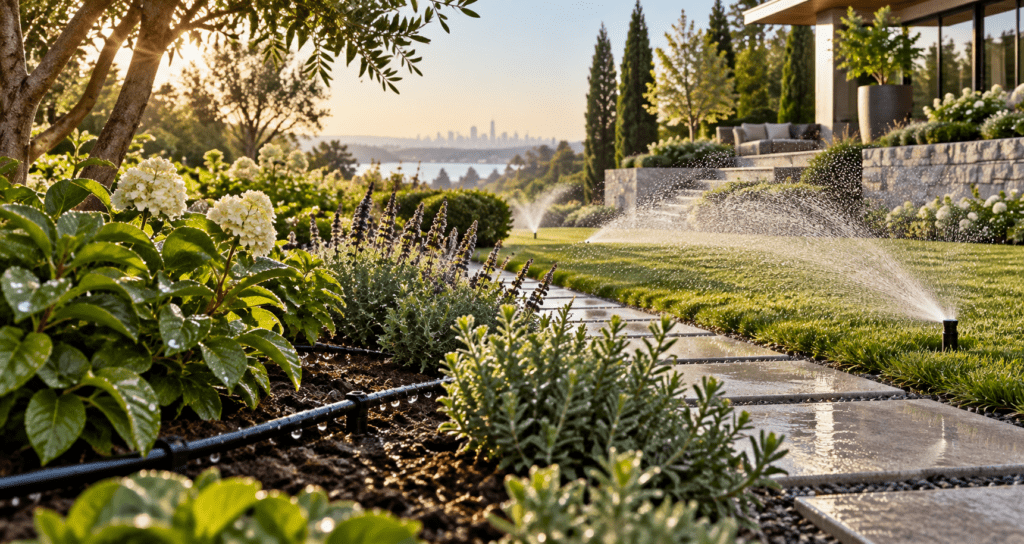
A Complete Guide to Efficient Water Management for Healthy Plants and Productive Landscapes
Water is one of the most important resources required for healthy plant growth, productive gardens, thriving landscapes, and successful agricultural operations. Although natural rainfall can provide part of a plant’s water requirements, it is not always consistent enough to maintain ideal growing conditions throughout the year. An effective irrigation system helps deliver water directly to areas where it is needed, allowing property owners and growers to maintain more consistent soil moisture. Proper water management can also reduce waste, protect plants from stress, and make outdoor spaces easier to maintain. By understanding how different systems work, choosing suitable equipment, and following an appropriate watering schedule, it is possible to create a more efficient approach to managing water while supporting healthy vegetation and improving the overall condition of the landscape.
Understanding the Importance of Water Management
Plants need adequate moisture to perform essential biological processes, absorb nutrients, and maintain healthy growth. Too little water can cause wilting, poor development, leaf damage, and reduced productivity, while excessive water can create equally serious problems such as root disease, nutrient leaching, and poor soil aeration. A well-designed irrigation system helps maintain a balance by supplying water according to the needs of particular plants and soil conditions. Instead of depending entirely on manual watering or unpredictable rainfall, property owners can establish a controlled method that delivers moisture consistently. This becomes particularly valuable for large gardens, lawns, landscaped areas, nurseries, and agricultural fields where watering by hand would require significant time and effort.Efficient water management also involves understanding that different plants have different moisture requirements. A mature tree does not necessarily need the same watering frequency as a newly planted flower bed, vegetable garden, or lawn. Soil type also affects how quickly water moves through the ground. Sandy soil tends to drain more quickly, while clay-heavy soil may retain moisture for longer periods. Sloped areas can experience runoff before water has enough time to penetrate the root zone. Considering these factors allows a watering strategy to be adjusted according to actual conditions rather than following a single schedule for the entire property. This targeted approach can improve plant health while reducing unnecessary water consumption.
Common Types of Irrigation Systems
There are several types of irrigation systems available, and each one has specific advantages depending on the application. Sprinkler systems are commonly used for lawns, gardens, and larger planted areas because they can distribute water across a broad surface. Drip systems deliver water slowly and directly near the base of individual plants, making them useful for vegetable gardens, flower beds, shrubs, and other areas where targeted watering is beneficial. Soaker hoses provide another option by allowing water to seep gradually along their length. Surface watering, hose-based systems, and specialized agricultural equipment may also be appropriate depending on the size and purpose of the property.Choosing between different systems requires consideration of several factors, including plant type, soil characteristics, available water supply, property size, terrain, and maintenance requirements. A system that works well for a small garden may not be suitable for a large agricultural field. Similarly, overhead sprinklers may not be the most efficient choice for plants that benefit from water being applied directly to their root zones. Evaluating the property before purchasing equipment can prevent unnecessary expenses and help ensure that the selected system provides appropriate coverage. Good design focuses on delivering the right amount of water to the right areas while minimizing runoff, evaporation, and overspray.
How Drip Systems Improve Water Efficiency
Drip irrigation is widely recognized for its ability to provide controlled amounts of water directly to plant root zones. Instead of spraying water over a large area, emitters release moisture slowly near individual plants. This can reduce evaporation and limit the amount of water reaching areas where it is not needed. Drip systems are particularly useful for gardens, rows of crops, shrubs, trees, and landscaped planting beds. Because water is delivered close to the roots, plants can receive consistent moisture without requiring large volumes of water to wet the entire surrounding surface.Another advantage of drip systems is their flexibility. Emitters can be selected according to the water requirements of different plants, and tubing can be arranged around rows or individual planting areas. Timers and controllers can further automate watering so that the system operates according to a predetermined schedule. However, drip systems require regular inspection because small emitters can become clogged by sediment, mineral deposits, or other particles. Filters, pressure regulators, and proper maintenance can help keep the system functioning effectively. When installed and maintained correctly, drip irrigation can provide precise watering while making efficient use of available water resources.
Sprinkler Systems and Their Applications
Sprinkler systems are useful when water needs to cover a relatively large surface area. They can distribute water across lawns, sports fields, gardens, and agricultural spaces using rotating or fixed spray patterns. Modern sprinkler equipment can be configured to provide different coverage areas, allowing systems to be divided into zones based on plant requirements. This zoning approach can prevent areas with different water needs from receiving the same amount of moisture. Sprinklers can also be automated with timers and controllers, reducing the need for manual watering.Proper sprinkler placement is essential for achieving good coverage. If sprinklers are spaced too far apart, dry areas may develop between spray patterns. If they overlap excessively, some areas may receive much more water than necessary. Wind can also affect spray distribution, causing water to drift away from the intended target. Choosing suitable nozzles, adjusting pressure, and scheduling watering during appropriate conditions can improve efficiency. Regularly checking sprinkler heads for damage or blockage can also prevent uneven watering and unnecessary water loss.
Designing an Efficient Watering System
A successful irrigation system begins with thoughtful design. Before installation, the property should be evaluated for its size, slope, soil type, vegetation, water pressure, and existing infrastructure. Areas can then be divided into watering zones according to the needs of different plants. For example, lawns may require one type of watering pattern, while trees, shrubs, and vegetable beds may require another. Dividing the property into zones allows water delivery to be controlled more precisely and makes it easier to adjust schedules as plant requirements change throughout the year.Water pressure and flow rate are also important considerations. If a system demands more water than the supply can provide, sprinklers may operate poorly and coverage can become inconsistent. Using appropriately sized pipes, valves, emitters, and sprinkler heads helps maintain reliable performance. A professional installer can calculate the system’s requirements and determine how many zones are appropriate. Good design can also simplify future maintenance because individual sections can be isolated for repairs without shutting down the entire system. Investing time in planning can therefore improve both efficiency and reliability.
Smart Controllers and Automated Scheduling
Automation has made modern irrigation systems easier to manage. Programmable controllers allow watering schedules to be adjusted according to time, frequency, and duration. More advanced systems can incorporate weather information, soil moisture sensors, rainfall detection, or other data to determine when watering is actually necessary. These technologies can help prevent watering during or immediately after rainfall and can reduce the likelihood of overwatering. Automation is especially useful for large properties where manually monitoring every planting area would be difficult.A smart controller should still be configured according to the property’s specific conditions. Automated schedules are not automatically efficient if they are based on excessive watering times or inappropriate frequencies. Seasonal adjustments are important because plants generally require different amounts of water during periods of high heat, cooler weather, active growth, or dormancy. Monitoring soil moisture and plant condition can help determine whether the schedule needs to be changed. Technology works best when combined with regular observation rather than being treated as a completely independent solution.
Soil Type and Water Absorption
Soil plays a major role in determining how water should be applied. Sandy soils contain larger particles and generally allow water to drain relatively quickly, which may require shorter and more frequent watering sessions. Clay soils contain much smaller particles and can retain water for longer periods, but they may also absorb water slowly. Applying large amounts of water too quickly to compacted or clay-heavy soil can result in runoff rather than effective infiltration. Loamy soil often provides a useful balance of drainage and moisture retention, although conditions vary from one property to another.Understanding the soil allows watering schedules to be adjusted accordingly. If water begins running across the surface instead of soaking into the ground, the application rate may be too high. In such situations, shorter watering cycles with breaks between them can give moisture more time to penetrate. Organic matter can also improve certain soil conditions by supporting better structure and moisture retention. Observing how quickly the soil absorbs and holds water is one of the simplest ways to determine whether a watering system is operating effectively.
Seasonal Watering Considerations
Water requirements change throughout the year because temperature, sunlight, rainfall, plant growth, and evaporation rates are constantly changing. During hot and dry periods, plants may require more frequent watering because moisture is lost rapidly from the soil and leaves. Cooler seasons may require significantly less water, particularly when natural rainfall is sufficient. Continuing the same watering schedule throughout the year can lead to waste or excessive moisture. Seasonal adjustments are therefore an important part of responsible irrigation management.Early morning is often a suitable time for watering because temperatures are generally lower and wind conditions may be calmer. Water applied during the hottest part of the day can experience greater evaporation before reaching the root zone. Late-night watering can sometimes leave foliage wet for extended periods, potentially creating conditions favorable to certain plant diseases. However, the ideal schedule depends on the specific plants, climate, soil, and system being used. Monitoring actual plant and soil conditions is more reliable than following a rigid schedule without considering changing circumstances.
Maintenance and Troubleshooting
Regular maintenance is essential for keeping an irrigation system efficient. Sprinkler heads should be inspected for damage, clogging, or misalignment, while drip emitters should be checked to ensure they are releasing water properly. Leaking pipes, broken connectors, damaged valves, and blocked filters can cause significant water loss if they are not repaired. Even a small leak can waste substantial amounts of water over time. Periodic inspections allow problems to be identified before they become more expensive or affect plant health.Uneven plant growth can sometimes indicate a problem with water distribution. Dry patches may result from blocked emitters, poor sprinkler coverage, insufficient pressure, or incorrect scheduling. Waterlogged areas may indicate excessive application, drainage problems, or leaks. Observing the landscape can therefore provide valuable information about system performance. Seasonal maintenance should also include cleaning filters, checking connections, inspecting controllers, and adjusting sprinkler patterns as plants grow or landscape features change. A system that is maintained regularly is more likely to remain reliable and efficient over the long term.
Conserving Water Without Sacrificing Plant Health
Water conservation does not necessarily mean giving plants less water than they need. Instead, the goal is to reduce unnecessary losses while maintaining appropriate moisture in the root zone. Applying water slowly, watering according to plant requirements, repairing leaks, and avoiding overspray are practical ways to improve efficiency. Mulching around plants can also help reduce evaporation from the soil surface and keep moisture available for longer periods. Selecting plants that are well suited to local growing conditions can further reduce long-term water requirements.Another effective conservation strategy is to monitor the system instead of assuming that it is working correctly. Sprinklers can become misaligned, pipes can develop leaks, and plants can change their water requirements as they mature. Regular observation helps identify these issues quickly. Rainfall should also be considered when determining whether additional watering is necessary. By combining efficient equipment, thoughtful scheduling, soil management, and regular monitoring, property owners can maintain healthy landscapes while making better use of available water.
Benefits for Agriculture and Gardening
Reliable irrigation can be especially valuable in agriculture and food gardens because consistent moisture can directly influence plant growth and productivity. Crops may require adequate water during specific stages of germination, root development, flowering, and fruit production. Irregular moisture can stress plants and reduce yields, while excessive watering can encourage disease and nutrient loss. A well-managed system provides growers with greater control over soil moisture and can help create more stable growing conditions.Gardens and landscaped areas can benefit in similar ways. Newly planted trees and shrubs often require consistent moisture while their root systems become established. Flower beds and vegetable gardens may have varying requirements depending on plant species and growth stages. Using separate watering zones can make it easier to provide appropriate amounts to each area. This targeted management can reduce waste and improve plant health without requiring constant manual attention.
Final Thoughts
Irrigation is an important part of effective water management for gardens, landscapes, agricultural areas, and other planted spaces. The right system can provide consistent moisture, reduce unnecessary water loss, and make routine plant care more convenient. However, successful watering depends on more than installing equipment. Soil type, plant requirements, weather conditions, system pressure, water distribution, and maintenance all influence performance. A well-designed approach considers these factors together and adjusts as conditions change throughout the year.Property owners and growers can improve results by selecting suitable equipment, dividing areas into appropriate zones, monitoring soil moisture, maintaining components, and adjusting watering schedules according to seasonal conditions. Whether using drip lines, sprinklers, soaker hoses, or a combination of methods, the goal should always be efficient delivery rather than simply applying more water. With thoughtful planning and regular maintenance, a properly managed system can support healthy plants, conserve valuable resources, and provide dependable water management for years to come.