A Complete Guide to Custom F250 Suspension Upgrades
Upgrading the suspension on a Ford F-250 is one of the most impactful modifications for improving performance, ride quality, and off-road capability. Whether used for heavy towing, worksite demands, or recreational off-roading, the right suspension setup can completely transform how the truck handles. Many enthusiasts researching a custom F250 for sale are also interested in understanding what suspension upgrades are available and how they affect overall performance and comfort.
A properly customized suspension system does more than lift a truck. It enhances stability, improves load handling, increases durability, and allows for larger tire fitment. Understanding the available options helps buyers and owners make informed decisions that match their driving needs.
Why Suspension Upgrades Matter for the F-250
The Ford F-250 is built as a heavy-duty truck designed for towing, hauling, and demanding workloads. However, factory suspension systems are designed for general use, not specialized performance.
Upgrading the suspension allows owners to:
Improve ride comfort under load
Increase ground clearance
Enhance off-road capability
Support larger wheels and tires
Improve towing stability
Reduce body roll and sway
Suspension upgrades help tailor the truck to specific uses, whether it’s work-focused performance or recreational off-road driving.
Understanding Suspension Lift Types
Before selecting upgrades, it is important to understand the main types of suspension lift systems available for the F-250.
There are generally three categories:
Leveling Kits
Leveling kits are designed to raise the front of the truck to match the rear height. Factory F-250 trucks often sit slightly higher in the rear to support heavy loads.
Benefits include:
Improved front-end stance
Ability to fit slightly larger tires
Minimal changes to ride quality
Affordable upgrade option
Leveling kits are ideal for drivers who want a more balanced appearance without major modifications.
Suspension Lift Kits
Suspension lift kits are more extensive and raise the entire vehicle by replacing or modifying suspension components.
Benefits include:
Significant ground clearance increase
Ability to install much larger tires
Improved off-road performance
More aggressive truck appearance
These kits are popular among off-road enthusiasts and drivers who want a more commanding presence.
Body Lifts
Body lifts raise the truck body from the frame using spacers.
Benefits include:
Cost-effective lift option
No major suspension geometry changes
Additional tire clearance
However, body lifts do not improve suspension performance or ground clearance under the axles. They are mainly cosmetic and tire-fitment focused.
Key Suspension Components Involved in Upgrades
Suspension upgrades often involve multiple components working together to achieve improved performance.
Important parts include:
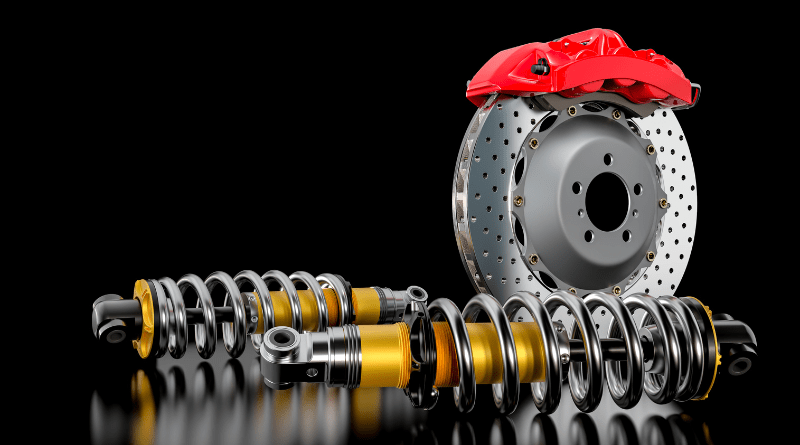
Coil springs
Leaf springs
Shock absorbers
Control arms
Track bars
Sway bars
Lift blocks or spacers
Each component plays a role in how the truck handles weight, absorbs impacts, and maintains stability.
High-quality components are essential for ensuring safe and reliable performance after modification.
Choosing the Right Lift Height
Selecting the correct lift height is one of the most important decisions in a suspension upgrade.
Common lift ranges include:
2–3 Inch Lifts
Ideal for daily driving and light off-road use. These lifts provide:
Slightly improved ground clearance
Better tire fitment
Minimal impact on ride quality
4–6 Inch Lifts
A popular mid-range option offering:
Noticeable stance improvement
Larger tire compatibility
Enhanced off-road capability
Moderate changes in handling
7+ Inch Lifts
Designed for extreme builds and heavy off-road use:
Maximum clearance
Aggressive appearance
Large tire accommodation
Requires more comprehensive supporting modifications
The right height depends on how the truck will be used and how much modification the owner is comfortable with.
Shock Absorber Upgrades for Better Ride Quality
Shock absorbers are one of the most important upgrades in any suspension system.
Stock shocks are designed for factory setups and may not perform well after lifting.
Upgraded shocks can provide:
Improved damping control
Reduced bouncing on rough terrain
Better stability under load
Enhanced off-road performance
Performance shocks often include features such as nitrogen charging, adjustable damping, or remote reservoirs for heavy-duty use.
Supporting Components for Lifted Suspension Systems
A complete suspension upgrade often requires additional supporting parts to maintain proper alignment and performance.
These may include:
Extended brake lines
Adjustable track bars
Upgraded sway bar links
Reinforced control arms
Driveshaft modifications
Without these supporting components, lifted trucks may experience alignment issues, vibration, or reduced stability.
Proper integration ensures safe and predictable handling after modification.
Tire and Wheel Considerations After Suspension Upgrades
One of the main reasons owners upgrade suspension is to accommodate larger tires.
However, tire and wheel selection must match the lift system.
Key considerations include:
Tire diameter compatibility
Wheel offset and backspacing
Fender clearance
Steering range
Load rating requirements
Incorrect tire sizing can lead to rubbing, reduced turning radius, or stress on suspension components.
Proper matching ensures smooth performance and prevents unnecessary wear.
Impact on Towing and Hauling Performance
Since the F-250 is a heavy-duty truck, towing and hauling performance is a key concern when modifying suspension.
Suspension upgrades can either improve or reduce towing capability depending on setup.
Properly designed systems can:
Improve stability when towing
Reduce rear-end sag under load
Enhance weight distribution
Improve braking control
However, overly aggressive lifts without proper tuning may affect towing geometry.
Balancing lift height and load capacity is essential for maintaining work-ready performance.
Alignment and Calibration After Suspension Upgrades
After installing suspension modifications, proper alignment is critical.
Failure to realign the truck can result in:
Uneven tire wear
Poor steering response
Reduced fuel efficiency
Instability at high speeds
Alignment adjustments typically include:
Camber correction
Caster adjustment
Toe alignment
Some lifted setups may also require aftermarket alignment components to achieve factory-like handling.
Maintenance Requirements for Upgraded Suspension Systems
Lifted and customized suspension systems require regular maintenance to ensure long-term performance.
Maintenance tasks include:
Checking bolt tightness
Inspecting bushings for wear
Monitoring shock absorber condition
Lubricating moving parts where applicable
Rechecking alignment periodically
Because modified suspension systems experience different stress levels than stock setups, routine inspections help prevent long-term damage.
Off-Road Benefits of Suspension Upgrades
One of the most popular reasons for upgrading suspension is improved off-road capability.
Benefits include:
Greater ground clearance over obstacles
Improved articulation on uneven terrain
Better traction with larger tires
Reduced risk of undercarriage damage
Enhanced stability on rough surfaces
For drivers who enjoy outdoor adventures, suspension upgrades can significantly expand the truck’s capabilities beyond paved roads.
Common Mistakes to Avoid When Upgrading Suspension
While suspension upgrades offer many benefits, improper installation or planning can lead to issues.
Common mistakes include:
Choosing incorrect lift height for usage needs
Ignoring alignment requirements
Skipping supporting components
Using low-quality parts
Overlooking tire compatibility
Professional planning helps avoid costly errors and ensures a balanced, safe build.
Conclusion
Custom suspension upgrades for the Ford F-250 provide a powerful way to enhance performance, appearance, and capability. From leveling kits and full lift systems to upgraded shocks and supporting components, each modification plays a role in shaping how the truck performs on and off the road.
When properly selected and installed, suspension upgrades can improve ride comfort, support larger tires, and enhance both towing stability and off-road performance. However, success depends on careful planning, quality components, and proper maintenance.