Central Europe: A Fresh Alternative to Paris and Rome
Paris and Rome have long dominated the European city-break wish list, and for good reason. Their grand monuments, celebrated museums and excellent food make them difficult to resist. Yet travellers looking for a different kind of European escape might find themselves even more captivated by Central Europe. Here, Gothic towers rise above medieval squares, elegant coffee houses preserve old traditions and riverside promenades provide a wonderful setting for an evening stroll. Prague, Vienna, Budapest and Kraków each have a distinctive personality, but they share an appealing combination of architectural beauty, cultural depth and accessible city centres. There is also a practical advantage: travelling between them is relatively straightforward, making it possible to experience several countries in one holiday without spending too much time in transit. For visitors who have already explored Western Europe’s most familiar capitals, Central Europe offers a refreshing change of pace.
Budapest: Thermal Baths and Danube Views
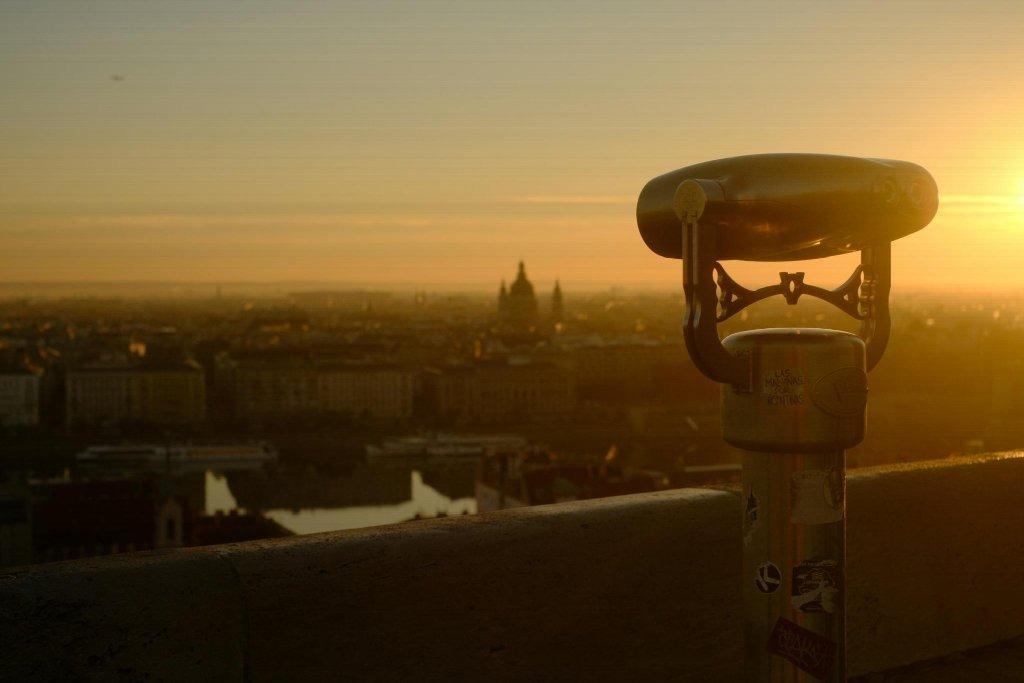
Budapest has a more dramatic setting, with the Danube dividing the historic districts of Buda and Pest. The Hungarian Parliament Building is one of the city’s most recognisable landmarks, particularly when illuminated after dark. Across the river, Castle Hill provides a different perspective, with cobbled streets, historic buildings and panoramic views from Fisherman’s Bastion. One of Budapest’s greatest attractions is its thermal bathing culture. The Széchenyi Baths, with their large outdoor pools and ornate architecture, are among the most famous, while Gellért Baths have long been admired for their decorative interiors. A few hours in the warm mineral water offer a relaxing break from sightseeing, especially during colder months. The city also has an exciting food and nightlife scene. Traditional restaurants serve goulash, chicken paprikash and chimney cakes, while the Jewish Quarter is known for its ruin bars and lively evening atmosphere. Travellers continuing from Vienna can look into Railjet train tickets for a comfortable connection to Budapest, with services making the journey in roughly two and a half hours.
Prague: Medieval Streets and Bohemian Character
Prague makes an impressive first impression. Its historic centre is filled with Gothic spires, Baroque façades and narrow cobbled lanes that seem to lead towards another beautiful square at every turn. The Old Town Square is a natural starting point, with the Astronomical Clock drawing visitors to the southern wall of the Old Town Hall. Arriving early in the morning is worthwhile, before the busiest sightseeing groups gather around the square. Across the Vltava River, Prague Castle dominates the skyline. The complex includes St Vitus Cathedral, historic courtyards and Golden Lane, where small colourful houses once accommodated castle workers. From the surrounding terraces, the views across the city’s red rooftops are particularly memorable. Prague also has a lively contemporary side. The neighbourhood of Vinohrady is known for independent cafés and restaurants, while Žižkov has a more alternative atmosphere, with traditional pubs, music venues and creative spaces. Czech cuisine deserves attention too. Try slow-roasted pork with dumplings and sauerkraut, or settle into a traditional beer hall for a locally brewed lager. Travelling between the Czech and Austrian capitals is easy by rail. The Prague to Vienna train takes around four hours on many direct services, making it possible to enjoy breakfast in Prague and arrive in Vienna with enough time for an afternoon exploring the historic centre. The journey passes through the Czech countryside and Moravia, offering a pleasant transition between two cities with quite different architectural styles.
Vienna: Imperial Grandeur and Café Culture
Vienna brings a more polished, imperial atmosphere to a Central European itinerary. Its wide boulevards, monumental buildings and beautifully maintained parks reflect the city’s history as the centre of the Habsburg Empire. The Hofburg Palace, once the winter residence of the imperial family, is a good place to begin exploring, while Schönbrunn Palace offers an impressive glimpse into royal life, with formal gardens, fountains and grand interiors. The Austrian capital is also a city to experience slowly. Traditional coffee houses such as Café Central and Café Sperl invite visitors to linger over a melange and a slice of Sachertorte. Classical music remains an important part of local culture, and attending a concert in one of the city’s historic venues adds something special to an evening.
Kraków: A More Intimate Historic Escape
Kraków is an excellent addition for travellers who prefer a slightly smaller city with a strong sense of history. Its medieval Main Market Square is one of Europe’s largest, surrounded by colourful townhouses, cafés and the impressive St Mary’s Basilica. The hourly trumpet call from the church tower is a local tradition that visitors often stop to hear. Wawel Castle, overlooking the Vistula River, offers another fascinating look at Poland’s royal past. The complex includes the cathedral, historic state rooms and courtyards, while the nearby Kazimierz district reveals a different side of the city. Once the centre of Jewish life in Kraków, it is now known for its synagogues, independent galleries, restaurants and lively cafés. Food is another reason to linger. Try pierogi, traditional filled dumplings, or visit a local bakery for an obwarzanek, a ring-shaped bread sold from street carts around the city. Kraków also makes a convenient base for excursions to the Wieliczka Salt Mine, where underground chambers and chapels have been carved from rock salt over centuries.
A Different Side of Europe Worth Discovering
One of the strongest reasons to choose Central Europe over a more traditional Western European itinerary is the ease of combining destinations. Prague, Vienna and Budapest sit along a well-connected rail corridor, while Kraków can be added with a little more travel time. City-centre stations reduce the need for airport transfers, and passengers can enjoy the changing scenery between destinations rather than spending valuable holiday hours in security queues. Central Europe offers many of the qualities that make Paris and Rome so appealing, including beautiful architecture, remarkable history, excellent food and a lively cultural scene. Yet its cities bring a different atmosphere, shaped by imperial traditions, Central European cuisine and centuries of changing borders and influences. Whether wandering through Prague’s medieval lanes, enjoying coffee in Vienna, relaxing in Budapest’s thermal baths or exploring Kraków’s historic quarters, travellers will find plenty to fill their days. The region is also wonderfully suited to rail travel, making a multi-country holiday both practical and enjoyable. For anyone ready to look beyond Europe’s familiar favourites, Central Europe is a compelling place to start.