How Experienced Landscape Contractors Deliver Results That Last
A lasting outdoor project begins long before plants go into the ground or stone reaches the job site. Experienced contractors study drainage, soil, sunlight, grading, traffic patterns, and maintenance demands before selecting materials. That planning prevents premature failures, protects the property, and keeps the finished space useful through changing seasons. Homeowners also gain clearer expectations about design, construction, care, and costs. Several practical methods explain why experienced teams produce better long-term results.
They Start With Site Conditions
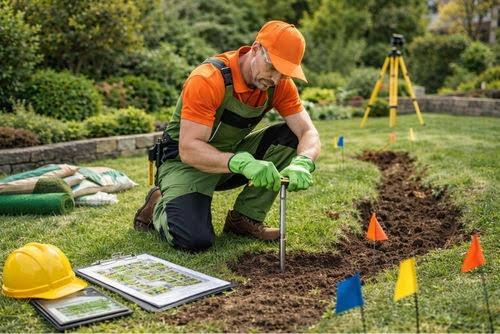
A property’s soil, slope, water movement, and sun exposure determine which improvements will perform well. Professional landscape contractors inspect these conditions before designing. They identify compacted soil, clay layers, standing water, erosion risks, and areas that receive limited sunlight. This assessment guides grading, drainage, plant selection, paving, and irrigation. It also reduces repairs caused by choices that ignore the site.
Missouri properties often present difficult clay soil and sharp seasonal changes. Contractors familiar with local conditions account for heavy rain, summer humidity, winter freezes, and heat stress. Native or drought-resistant plants are placed to match their needs, while drainage systems direct water away from foundations, walkways, and planting beds.
They Connect Design With Construction
A clear plan gives every phase a measurable purpose. Detailed drawings show dimensions, elevations, plant locations, drainage paths, lighting positions, and material transitions. This information helps crews build accurately and helps homeowners review the project before construction begins.
Three-dimensional renderings also clarify how patios, walls, planting areas, pools, and outdoor structures will relate to the home. Good design reduces mid-project changes because it addresses the intended layout, access points, and visual balance early.
Construction quality depends on preparation beneath the visible work. Crews must excavate to the right depth, compact the base properly, and install reinforcement where the structure requires it. A patio that lacks a stable base can shift, settle, or develop uneven joints. A retaining wall needs proper drainage behind it, not just attractive face materials.
They Treat Drainage As Core Infrastructure
Water causes many outdoor failures. Poor drainage washes out soil, weakens paving, damages plants, and sends runoff toward structures. Experienced contractors trace water movement across the property before choosing a solution.
Depending on the site, the plan can include grading, catch basins, channel drains, dry wells, or underground pipe. Each component must connect to a suitable discharge point. Adding more soil or mulch alone does not fix a recurring drainage problem.
Drainage also affects plant health. Roots need moisture, but saturated soil removes the air that roots require. Correct grading and soil preparation help planting beds drain at a controlled rate, reducing stress during wet periods.
They Choose Materials For Actual Use
Material selection should match the way a space will function. A driveway needs a base and surface that withstand vehicle loads. A walkway needs stable edges and a slope that carries water away. An outdoor kitchen requires surfaces that tolerate heat, moisture, spills, and repeated cleaning.
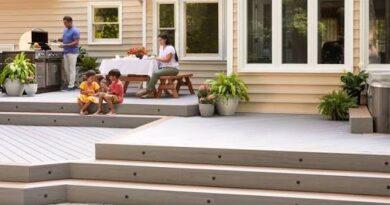
Experienced contractors also account for movement caused by temperature changes. Proper joints, edge restraints, bedding layers, and installation methods help hardscape materials remain stable. The choice between natural stone, concrete, pavers, wood, or composite decking depends on use, exposure, maintenance requirements, and the existing home.
Plant selection follows the same logic. Mature size, root behavior, water needs, bloom periods, and exposure matter more than what looks good at the garden center. Plants placed with their eventual size in mind need less corrective pruning and create fewer conflicts with roofs, utilities, and paths.
They Build Maintenance Into The Plan
A project lasts longer when its care requirements fit the property owner’s schedule. Contractors should explain mowing needs, pruning cycles, irrigation checks, seasonal cleanup, and replacement expectations before installation.
Irrigation zones must match plant water needs and sun exposure. Separate zones keep lawns, shrubs, and drought-tolerant beds from receiving the same treatment. Controllers also require seasonal adjustments because spring, summer, and fall create different water demands.
After installation, early inspections catch small problems before they spread. Crews can check plant establishment, settling, blocked drains, loose joints, and irrigation coverage. Prompt corrections protect the original investment and keep maintenance costs down.
They Document The Finished Work
A dependable handoff gives homeowners useful records. The project file should identify materials, plant varieties, irrigation zones, drainage components, control locations, and care instructions. Photographs can document concealed utilities or drainage routes before soil and mulch cover them.
These details help future maintenance crews work safely and make accurate replacement decisions. They also give homeowners a practical reference when a plant struggles, a fixture needs repair, or an adjustment becomes necessary.
Conclusion
Lasting outdoor improvements come from decisions made in the right order: inspect the site, plan water movement, match materials to the job, and specify care before construction begins. Homeowners can improve project outcomes by asking for a site assessment, a written scope, drainage details, material specifications, and a maintenance plan. Those documents make quality easier to evaluate and give the finished property a clear path for continued care through every season.