Healthy Little Smiles: A Parent’s Guide to Preventing Childhood Cavities
Tooth decay remains one of the most common chronic childhood conditions, yet it is almost entirely preventable with the right daily care and dietary habits. Healthy primary teeth are essential for proper speech development, comfortable chewing, and guiding permanent teeth into their correct positions as children grow. Establishing proactive oral hygiene routines early in your child’s life protects their developing enamel, eliminates harmful bacteria, and builds a foundation for a lifetime of confident, radiant smiles.
Establish Proper Daily Oral Hygiene Habits from Infancy
Building strong oral health begins long before your child’s first primary tooth erupts through the gums. Cleaning your baby’s mouth after feedings removes lingering milk sugars and prevents bacterial growth across tender oral tissues.
Before teeth appear, gently wipe your infant’s gums with a soft, damp cloth or silicone finger brush after feedings and before bedtime. Once the first tooth emerges, transition to a small, soft-bristled toothbrush designed specifically for infants. Use a microscopic smear of fluoridated toothpaste—roughly the size of a single grain of rice—to clean emerging teeth thoroughly twice a day without risk of accidental ingestion.
As your child grows into toddlerhood, increase the toothpaste amount to a pea-sized dot around age three, teaching them to spit out excess foam after brushing. Parents should actively supervise and assist with brushing until children demonstrate the manual dexterity needed to clean every tooth surface independently, typically around seven or eight years old. Supervising daily brushing guarantees that hidden back molars are cleaned thoroughly every morning and night.
Limit Dietary Sugars and Sticky Carbohydrates
What your child eats and drinks plays a primary role in determining their susceptibility to tooth decay. Harmful oral bacteria thrive on dietary sugars and refined carbohydrates, producing corrosive acid byproducts that attack delicate enamel and create cavities over time.
Sticky confections—such as fruit gummies, dried fruit snacks, caramels, and chewy fruit leather—are particularly damaging to young teeth. These treats cling tightly to deep grooves on biting surfaces and wedge between teeth, feeding bacterial plaque for hours after snacking ends. Similarly, frequent snacking on refined starches like crackers, pretzels, and chips creates a pasty residue that breaks down into simple sugars right along the gumline.
Encourage tooth-friendly snack alternatives that nourish growing bodies while protecting enamel. Offer fresh crunch-worthy vegetables, whole fruits, nuts, string cheese, and plain yogurt instead of sugary packaged snacks. Cheese and dairy products deliver vital calcium and phosphate minerals that help strengthen tooth enamel naturally after meals, neutralising harmful oral acids immediately.
Managing Beverage Intake and Juice Consumption
Frequent consumption of sugary drinks, including fruit juices, flavored milks, and sodas, bathes developing teeth in continuous acid baths throughout the day.
Offer fresh water as your child’s primary beverage between meals to flush away food particles and encourage healthy saliva flow. Restricting sweet drinks to special occasions preserves enamel integrity.
Stopping Bedtime Bottle and Sippy Cup Habits
Sending toddlers to bed with a bottle or sippy cup containing milk, juice, or sweetened liquids allows sugars to pool around sleeping teeth for hours.
Bedtime sugar pooling causes aggressive early childhood caries across upper front teeth. Only fill nighttime bottles and bedtime cups with clean, plain water.
Utilize Fluoride Protection and Dental Sealants
Preventive clinical care treatments provide powerful extra shields against childhood tooth decay, reinforcing natural enamel and physically blocking bacterial plaque from entering hard-to-clean tooth grooves. Combining home care with professional preventive treatments offers maximum defense against cavities.
Fluoride is a naturally occurring mineral that incorporates directly into developing tooth enamel, making it significantly more resistant to acid attacks and reversing early micro-cavities before permanent damage occurs. Ensure your child drinks fluoridated tap water or consult your dentist about professional fluoride varnish applications during routine checkups to keep enamel strong.
Additionally, ask your dentist about applying dental sealants to your child’s permanent molars as soon as they erupt, usually around age six and age twelve. Sealants are thin, protective ceramic coatings painted onto the deep chewing surfaces of back teeth, sealing out food particles and bacteria entirely. Dental sealants reduce the risk of molar decay substantially, providing long-lasting protection through high-risk childhood years.
The Role of Professional Fluoride Applications
Topical fluoride varnishes applied during routine dental visits harden enamel instantly, providing concentrated protection against acid erosion.
Professional fluoride treatments take only minutes to apply and offer months of ongoing enamel reinforcement. Fluoride treatments are a quick, painless cavity defense.
How Dental Sealants Safeguard Back Molars
Deep pits and fissures on permanent molars trap food particles that toothbrush bristles simply cannot reach, making them prone to decay.
Painless dental sealants smooth out deep biting grooves, creating an easy-to-clean surface that repels bacterial plaque. Sealants offer effortless, long-term molar protection.
Schedule Early and Regular Dental Examinations
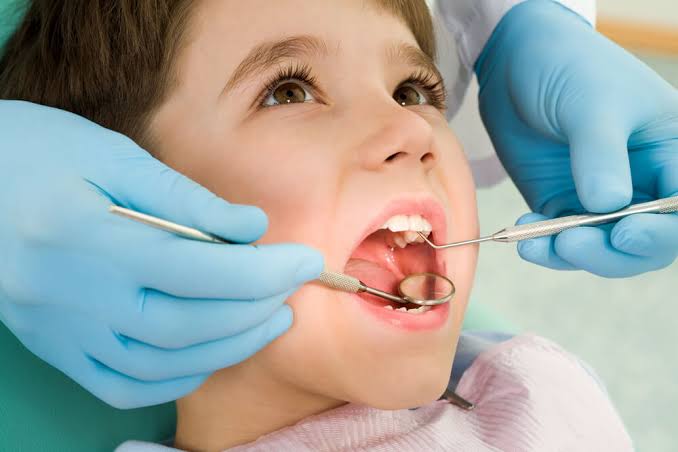
Establishing a positive relationship with a dental home early in your child’s development eliminates dental anxiety and ensures potential issues are identified and treated before causing discomfort. Early dental visits allow parents to receive personalized guidance tailored to their child’s unique developmental stage.
The general clinical recommendation is to schedule your child’s initial dental visit by their first birthday or within six months after their first tooth appears. Early visits allow the dental team to evaluate jaw development, check for early signs of decay, assess lip and tongue ties, and guide parents on proper brushing techniques and teething relief.
Partnering with a welcoming family dentist in Wasilla guarantees that your child experiences comfortable, child-friendly checkups every six months. Regular preventive visits keep professional cleanings up to date, allow for early intervention if minor cavities form, and create a supportive, educational environment where children learn to take pride in caring for their smiles.
Overcoming Childhood Dental Anxiety Early
Introducing children to friendly dental environments at a young age normalizes routine checkups, transforming visits into fun, positive experiences.
Dental teams use engaging, gentle communication to help children feel safe, confident, and relaxed during cleanings. Positive early experiences prevent lifelong dental fears.
Monitoring Jaw and Tooth Development
Routine checkups allow your dentist to track primary tooth loss, monitor permanent tooth eruption, and spot bite misalignments early.
Early orthodontic evaluations identify spatial issues before they impact speech or chewing function. Proactive monitoring supports healthy facial structure growth.
Protect Developing Teeth During Sports and Play
Active children frequently engage in physical sports, playground activities, and recreational games that expose their developing teeth to sudden impact trauma. Physical impact can chip, fracture, dislodge, or knock out healthy teeth, causing permanent structural damage and costly emergency treatments.
If your child participates in organized contact sports like martial arts, soccer, basketball, or gymnastics, equip them with a properly fitted athletic mouthguard. Custom-molded mouthguards cushion sudden blows to the face, protecting teeth, lips, tongue, and jaw joints from severe injury during play.
In addition to wearing mouthguards during organized sports, teach children safe play habits at home and on the playground. Discourage chewing on hard objects like ice, metal toys, or pencils, which can create hairline enamel cracks over time. Protecting teeth against mechanical impact ensures your child’s smile stays intact and healthy through active growing years.
Benefits of Custom-Molded Mouthguards
Custom athletic mouthguards fit securely over your child’s teeth, allowing them to breathe easily and communicate clearly during games.
Unlike generic store-bought options, custom mouthguards provide superior shock absorption and reliable comfort. Quality mouthguards preserve young smiles during athletic play.
Handling Emergency Tooth Injuries Promptly
If a primary or permanent tooth is chipped or knocked out during play, knowing how to respond quickly can save the tooth.
Keep knocked-out permanent teeth moist in milk or saline and contact your dentist immediately for emergency care. Rapid action preserves injured tooth viability.
Encourage Healthy Daily Habits Through Modeling
Children learn primarily by observing their parents, making your personal oral health habits the most influential model for their daily routines. Demonstrating that oral care is a fun, non-negotiable part of daily self-care inspires children to adopt healthy habits enthusiastically.
Make daily brushing and flossing a family activity by brushing your teeth alongside your children every morning and night. Use colorful timers, fun toothbrushes featuring favorite characters, or playful brushing songs to make the two-minute brushing duration enjoyable rather than a chore. Positive reinforcement, such as sticker reward charts for consistent brushing, encourages toddlers to take ownership of their hygiene.
Maintain a positive tone when discussing dental checkups and healthy food choices at home. Avoid using dental visits as a threat for poor brushing habits, as this creates unnecessary fear and anxiety surrounding dental care. Celebrating clean checkups and healthy teeth fosters a proud, lifelong commitment to personal oral health.
Using Interactive Timers and Music
Setting two-minute timers or playing a fun song helps children brush for the full recommended duration without getting restless or skipping spots.
Interactive brushing apps make tracking time an engaging game for young children. Structured time management ensures thorough plaque removal.
Positive Reinforcement and Habit Building
Rewarding consistent daily brushing with stickers or extra storytime builds positive associations around personal oral hygiene routines.
Celebrating healthy dental visits builds child self-esteem and pride in their growing smile. Positive encouragement transforms daily chores into lasting healthy habits.
Conclusion
Preventing childhood cavities requires a proactive, loving commitment that blends early oral hygiene, smart dietary choices, preventive clinical care, comfortable dental visits, physical protection, and positive parental modeling. By establishing soft-bristled brushing routines early, limiting sticky sugary snacks, applying protective sealants, and maintaining regular checkups, you shield your child’s enamel against decay. Investing in your child’s oral health today eliminates unnecessary discomfort, saves on complex restorative treatments, and gives them the invaluable gift of a strong, healthy, and confident smile that lasts a lifetime.