Navigating Lifelong Oral Health: From Preventive Routines to Advanced Tooth Replacement
Maintaining strong teeth and gums is rarely just about brushing twice a day. As dental needs shift across different stages of life, finding the right clinical care becomes an essential investment in overall health. Routine checkups catch early decay before it causes pain, while advanced restorative procedures solve complex structural problems that simple fillings cannot fix.
Navigating the spectrum of oral care requires knowing when a family practice fits the bill and when specialized restorative treatment is necessary. Balancing everyday maintenance with advanced restorations ensures smiles remain functional, comfortable, and healthy for years to come.
1. Preventive Care: The Core Defense Against Complex Oral Issues
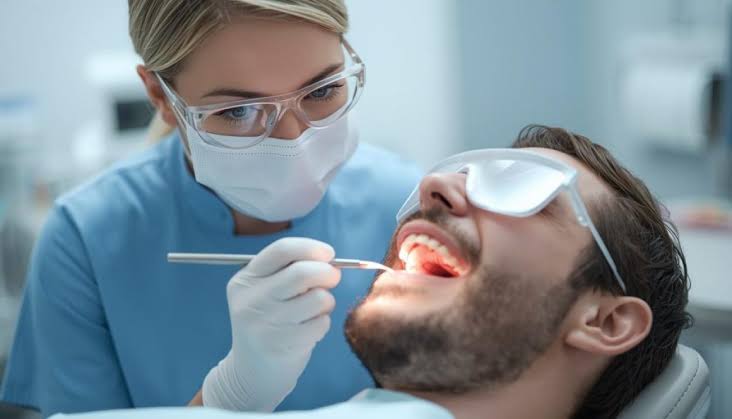
Preventive dentistry focuses on halting oral disease before it requires invasive treatments. Regular examinations allow clinicians to monitor enamel wear, identify subgingival tartar, and detect gum inflammation before it progresses into irreversible periodontitis.
Effective prevention relies on several foundational steps:
- Professional cleanings twice a year: Ultrasonic scalers and hand instruments remove hardened calculus that regular flossing cannot dislodge.
- Routine diagnostic imaging: Digital bite-wing radiographs reveal interproximal cavities and bone loss hidden beneath healthy-looking gumlines.
- Fluoride and sealants: Fluoride applications re-harden weakened enamel surfaces, while composite sealants protect deep dental grooves from food particles.
- Oral cancer screenings: Visual checks and tissue palpation ensure lesions or abnormal cellular changes are addressed immediately.
Consistent checkups give clinicians an accurate baseline of your health. When a patient maintains continuity with a qualified dentist in Rye NH, like the clinicians at Smiles By The Sea Family Dentistry, early shifts in tooth position, bite alignment, or enamel decay get treated early, preventing emergency appointments later.
2. Managing Age-Related Dental Changes
Oral anatomy changes with age. Enamel thins naturally, older fillings begin to crack around their margins, and receding gums leave exposed roots vulnerable to aggressive decay. Addressing these concerns early protects structural tooth integrity.
Enamel Wear and Hidden Decay
Years of chewing forces create micro-fractures within enamel walls. When bacteria enter these fissures, decay spreads quietly beneath the surface. Detecting these cracks with transillumination and diagnostic lasers allows dentists to place conservative bonded restorations before a tooth splits down to the root.
Periodontal Health and Root Exposure
Receding gingival margins expose cementum, which is softer than enamel and decays at a faster rate. Managing exposed roots involves using desensitizing pastes, modifying tooth-brushing mechanics to avoid abrasion, and applying protective fluoride varnishes.
3. Structural Solutions for Tooth Loss
When severe infection, trauma, or vertical fractures make saving a tooth impossible, leaving an empty gap creates serious biomechanical problems. Surrounding teeth drift into the space, opposing teeth over-erupt, and the surrounding jawbone steadily resorbs from lack of functional stimulation.
While removable partial plates and traditional dental bridges fill visible gaps, they do not preserve the underlying bone structure. Bridges require filing down healthy adjacent teeth, and partial dentures put unnatural friction on supporting gums and remaining enamel.
4. Why Root-Level Tooth Replacement Protects Bone Health
Biocompatible restorations offer a lasting answer to missing teeth by replicating natural root structures. A titanium or ceramic post acts as an artificial root, integrating directly with the surrounding alveolar bone through osseointegration.
Key advantages of artificial root systems include:
- Jawbone preservation: Chewing pressure passes through the implant post directly into the bone, stimulating healthy bone density and preventing facial collapse.
- Protection of adjacent teeth: Unlike conventional bridges, adjacent teeth remain untouched, preserving their natural structure and enamel.
- Reliable bite force: Anchored restorations restore normal chewing capability, allowing patients to enjoy fibrous, healthy foods without discomfort.
- Longevity: A successfully integrated post can last a lifetime with diligent flossing, brushing, and routine evaluations.
For patients missing teeth who want a permanent, stable bite, consulting a practice that provides dental implants in greenbelt offers a dependable way to restore speech, chewing efficiency, and bone health without altering nearby teeth. Cherrywood Dental Associates happens to speciaize on the procedure, so checking them out for more details is a good move.
5. Daily Habits for Sustained Oral Wellness
Clinical visits set the foundation, but daily habits determine whether teeth and restorations stay intact over decades. Protecting your smile involves a few everyday disciplines:
- Clean between teeth thoroughly: Use woven dental floss or water flossers daily to clear out bacterial plaque where bristles cannot reach.
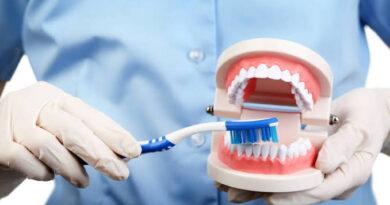
- Brush with soft bristles: Hold the brush at a 45-degree angle toward the gumline to sweep debris away without stripping enamel or causing gum recession.
- Address nighttime clenching: Wear a custom nightguard to shield teeth and restorations from the damaging forces of nocturnal bruxism.
- Monitor acidic consumption: Limit sparkling waters, citrus juices, and sodas between meals to minimize chemical enamel erosion.
Long-Term Health Starts with Proactive Decisions
A healthy smile comes down to early prevention, prompt care when problems arise, and durable restorations when teeth are lost. Addressing dental issues while they are small keeps care simple and preserves your natural smile.
Have you noticed shifts in your bite, tooth sensitivity, or gaps that make chewing uncomfortable? Schedule an evaluation with your local dental team to review your oral health and build a personalized care plan.