The Long-Term Guide to Restoring, Aligning, and Protecting Family Dental Health
A healthy smile changes how people interact with the world, yet dental care often gets reduced to emergency appointments and hasty fixes. According to data from the Centers for Disease Control and Prevention, roughly a quarter of adults live with untreated tooth decay, while nearly half of adults aged thirty and older show signs of gum disease. These issues rarely start as emergencies. They develop quietly through skipped cleanings, minor misalignments that make hygiene difficult, and unaddressed tooth loss that gradually alters jaw function.
Taking control of family oral wellness requires understanding how preventive care, corrective alignment, and restorative treatments work together over a lifetime. When you know what each stage of care entails, navigating the dentist’s chair becomes a straightforward investment in your household’s long-term well-being rather than a source of stress.
Establishing Strong Foundations: Daily Habits and Routine Cleanings
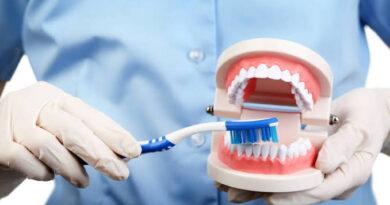
Preventive care is the cornerstone of lifelong dental health. While brushing twice a day and flossing daily sound like standard advice, technique and consistency dictate whether those habits actually prevent decay. Plaque mineralizes into hard tartar within twenty-four to seventy-two hours, meaning a missed spot between teeth quickly becomes something only a dental hygienist can remove.
Routine examinations do far more than polish enamel:
- Plaque and Tartar Removal: Ultrasonic scalers remove calcified deposits from below the gum line, preventing gingivitis from progressing into irreversible periodontal disease.
- Early Cavity Detection: Digital bitewing X-rays identify decay between teeth long before a cavity causes pain or reaches the tooth’s sensitive pulp.
- Oral Cancer Screenings: Dentists inspect the tongue, gums, throat tissues, and cheeks for unusual tissue changes, catching serious conditions in their earliest stages.
- Fluoride and Sealants for Children: Applying resin sealants over the deep grooves of molars reduces the risk of childhood cavities by up to eighty percent during critical school years.
A family that maintains six-month visits avoids the physical discomfort and financial strain of emergency root canals and deep periodontal surgery down the road.
Straightening Smiles: Why Alignment Matters Beyond Appearance
Crooked or crowded teeth are frequently treated as a cosmetic concern, but alignment fundamentally affects how easy it is to keep teeth clean. Crowded teeth create tight, irregular crevices where food particles collect and floss cannot glide easily. Over time, poor alignment causes localized enamel wear, increases the likelihood of interdental cavities, and puts uneven stress on the jaw joints, often triggering chronic tension or head pain.
Orthodontic Options for Teens and Adults
Traditional metal brackets remain a reliable standard for severe structural corrections, but clear aligner therapy has changed how households approach orthodontic care. Clear aligners use a sequence of custom-molded, medical-grade plastic trays to guide teeth into place incrementally without brackets or wires.
Patients seeking discreet treatment often turn to options like invisalign in Little Neck NY from reputable clinics such as Preferred Dental Care to address crowding and bite gaps without disrupting their professional routines or school schedules.
The clinical advantages of removable aligners include:
- Unrestricted Oral Hygiene: You remove the trays to brush and floss normally, avoiding the trapped debris and white spot lesions common with traditional braces.
- No Dietary Restrictions: Sticky candies, nuts, and crunchy produce can remain in your diet because trays are taken out before every meal.
- Fewer Emergency Appointments: Without protruding wires or detached brackets to repair, appointments primarily involve checking progress and picking up your next set of trays.
Aligning teeth balances bite forces across your entire dental arch, shielding natural teeth from chipping and preserving gum tissues well into older age.
Restoring Function: Addressing Structural Wear and Missing Teeth
Even with dedicated hygiene, accidents happen, teeth break, and deep infections sometimes necessitate an extraction. Ignoring an empty gap in your mouth sets off a chain reaction across your entire jaw. Neighboring teeth drift into the vacant space, opposing teeth erupt downward or upward, and the alveolar bone beneath the missing root begins to resorb due to lack of chewing stimulation.
Within the first year after tooth loss, bone density in that specific area can decline by up to twenty-five percent. This bone loss changes facial contours and complicates future restorations.
Comparing Long-Term Tooth Replacement Solutions
When evaluating tooth replacement options, patients typically compare three primary pathways:
- Removable Dentures: These prosthetic appliances rest directly on the gums. While budget-friendly up front, they require periodic relining as the underlying jawbone naturally shrinks over time, and they provide limited biting power.
- Fixed Dental Bridges: A bridge anchors an artificial tooth to the natural teeth on either side using dental crowns. This restores chewing ability, but it requires removing healthy enamel from adjacent teeth to support the structure.
- Dental Implants: An implant replaces the entire root structure using a biocompatible titanium post set directly into the jawbone, capped with a lifelike ceramic crown.
For families in northern Virginia evaluating surgical restoration, locating who does dental implants in Springfield VA helps secure a reliable provider capable of handling bone assessment, surgical placement, and customized crown design under one roof. Dulac Dental of Springfield is one provider in the area who can address such needs.
Because an implant fuses directly with the bone through osseointegration, it prevents bone resorption, protects adjacent teeth from alteration, and restores full chewing capacity.
Building a Unified Dental Strategy for Every Age
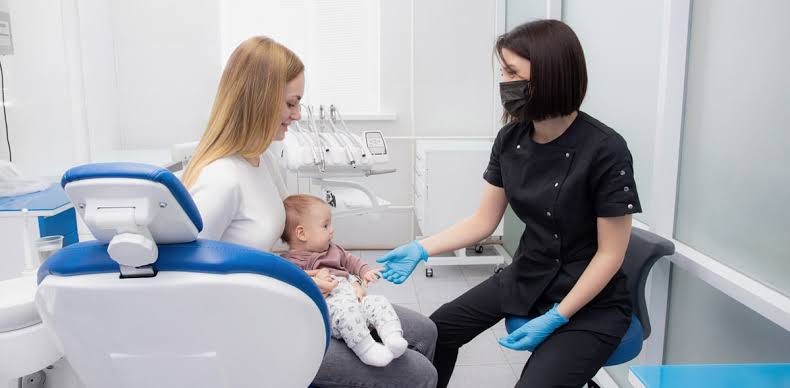
A family dental plan must evolve alongside the people it protects. The care required by a six-year-old getting their first permanent molars looks entirely different from the care needed by a parent managing old fillings or a grandparent addressing gum sensitivity.
To keep your household on track year-round, consider these core management tips:
- Sync Family Appointments: Schedule checkups on the same afternoon to eliminate recurring clinic trips and make dental visits a predictable family habit.
- Address Problems Early: Small chips, minor bleeding during flossing, or mild jaw clicks indicate underlying shifts. Treating them early costs far less than waiting for pain to emerge.
- Protect Teeth During Sports: Custom athletic mouthguards prevent tooth fractures and concussions far more effectively than generic over-the-counter boil-and-bite trays.
- Evaluate Home Tools: Upgrading to an oscillating electric toothbrush with a pressure sensor ensures thorough cleaning without eroding gum margins through aggressive brushing.
Long-Term Dental Health Requires Action
Preserving a functional, complete smile across decades is not a matter of luck or genetics; it is the result of continuous, informed decisions. Whether you are scheduling your child’s first routine checkup, addressing adult crowding with aligners, or replacing an old bridge with an implant, taking the initiative prevents minor dental defects from turning into complex oral surgeries.
Review your household’s dental calendar today, consult with a qualified local provider, and put a comprehensive care strategy into place for the years ahead. What specific dental concerns have you been putting off addressing this year?