5 Timing Issues That Can Weaken a Crash Injury Claim
The strength of a car accident claim can depend not only on what happened at the moment of impact but also on what happens afterward. Medical treatment, crash reporting, evidence preservation, insurance notice, and filing deadlines all develop on separate timelines. Waiting too long at one stage can make it harder to connect injuries to the collision or reconstruct how the crash occurred.
For someone consulting a Cicero car accident lawyer, identifying those timing issues early can help separate a correctable documentation problem from a deadline that may threaten the claim itself. Illinois law imposes specific reporting and filing requirements, while other delays can create practical disputes over causation, damages, or available evidence.
1. Waiting Too Long to Seek Medical Evaluation
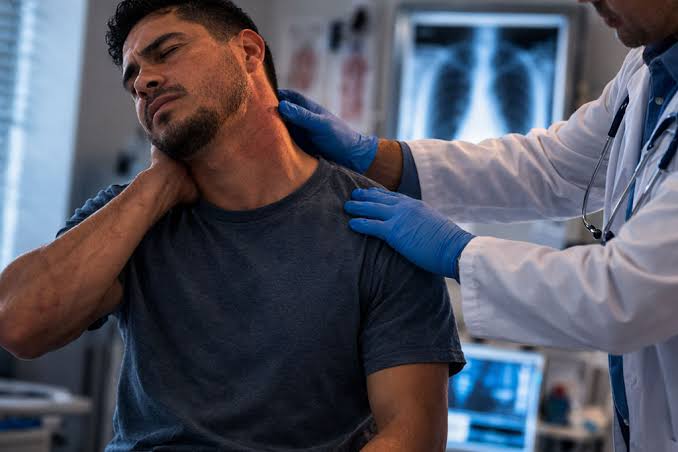
Some crash injuries are obvious immediately, while others become more noticeable after swelling, inflammation, or adrenaline from the collision subsides. A person who waits a significant amount of time before obtaining medical care may still have a legitimate injury, but the delay can make it harder to document when symptoms began and how they relate to the crash.
Illinois jury instructions also recognize that an injured person has a duty to use ordinary care in obtaining medical treatment. A failure to obtain reasonable treatment can affect recovery for damages caused by that failure when the evidence supports such an issue. This does not mean every treatment delay defeats a claim, but unexplained gaps can create additional questions about whether later complications could have been avoided.
2. Delaying the Crash Report Can Reduce the Available Record
Illinois law requires immediate notice to police for qualifying crashes involving injury or death and for certain crashes involving specified levels of property damage. If no officer is already present, the driver generally must notify the appropriate local police department, sheriff, or Illinois State Police by the fastest available means.
Prompt reporting can also create an early record of the scene, drivers, vehicles, witnesses, and reported injuries. When reporting is delayed, vehicles may be moved, witnesses may leave, and road conditions can change before anyone documents them. A police report does not decide civil liability by itself, but an early investigation can preserve information that becomes difficult to recreate later.
3. Waiting to Preserve Evidence Can Allow It to Disappear
Crash evidence is not permanent. Nearby businesses may overwrite surveillance footage, dash-camera files can be deleted, damaged vehicles can be repaired, skid marks fade, and witnesses may become more difficult to locate. Even roadway conditions such as temporary construction layouts, damaged signs, or debris may change quickly after the collision.
Preservation can therefore matter before settlement negotiations begin. Photographs of the scene and vehicles, witness contact information, video requests, repair documentation, phone records when relevant, and copies of insurance or police communications can help establish what existed close to the time of the crash. Waiting until months later can leave investigators with fewer independent sources to compare against the parties’ recollections.
4. Long Gaps in Treatment Can Complicate the Injury Timeline
A treatment gap is different from the initial delay in seeking care. Someone may obtain prompt medical attention but later miss follow-up appointments, stop therapy for an extended period, or return only after symptoms worsen. Those gaps can make the medical history less clear, especially when the claim includes continuing pain, disability, or future treatment.
Illinois insurance guidance explains that a third-party insurer evaluating a bodily injury claim will consider both the amount of the claimed injury and whether the damages are directly related to the accident. Medical records showing consistent symptoms, recommendations, restrictions, and follow-up care can help establish that connection. When treatment stops unexpectedly, documenting the reason—such as improvement, scheduling problems, insurance issues, or another medical explanation—can provide important context.
5. Waiting Too Long to File Can Threaten the Claim Entirely
Some timing problems weaken evidence; a statute of limitations can prevent the lawsuit itself. Under 735 ILCS 5/13-202, Illinois generally requires actions for personal injury damages to be commenced within two years after the cause of action accrues. Particular circumstances can involve different rules, so the general two-year period is not a substitute for determining the deadline that applies to a specific case.
The Illinois Department of Insurance likewise advises that a bodily injury claimant generally must either reach a final settlement or file suit before the applicable limitations period expires. Settlement discussions with an insurer do not, by themselves, guarantee that the filing deadline will be extended. Waiting until the final weeks can also leave less time to identify defendants, obtain records, or address disputed facts before filing becomes necessary.
Timing Can Affect Both Liability and Damages
Timing problems do not all have the same effect. A late medical appointment may create a question that additional evidence can explain, while lost surveillance footage may permanently remove a useful source of proof. Missing a statutory filing deadline can present a much more serious obstacle. Treating every delay as equally damaging can therefore oversimplify the claim.
A stronger approach is to preserve the sequence from the beginning: report qualifying crashes promptly, document the scene, obtain appropriate medical evaluation, follow treatment recommendations or record why care changed, notify insurers as required, and identify the filing deadline early. These steps cannot determine the outcome of a claim, but they can reduce avoidable disputes and preserve a clearer record of how the collision and injuries developed.