Why Wellness Is Becoming the New Luxury
Luxury has always been associated with things that are difficult to access. For decades, the traditional image was built around designer fashion, expensive cars, large homes, private travel, and rare experiences. Those things still have their place, but the meaning of luxury is changing. Increasingly, one of the most valuable things people want is something money cannot simply purchase on demand: time, energy, privacy, health, and the ability to feel genuinely well.
This shift is changing the way people think about high-end living. Wellness is no longer limited to a gym membership or an occasional spa visit. It is becoming part of how people design their homes, choose hotels, plan vacations, manage their schedules, and spend their free time. PARK Magazine NY has reflected this broader shift in its recent coverage, including stories about wellness technology, modern saunas, head spas, and intentional forms of self-care. For someone experiencing persistent vein-related symptoms, choosing to get expert vein treatment in Katy can therefore be viewed as part of a broader commitment to physical comfort and quality of life, rather than simply another cosmetic appointment.
The result is a new definition of luxury. Instead of simply asking what someone owns, modern luxury increasingly asks how someone lives.
The Definition of Luxury Is Changing
Traditional luxury was often visible. A luxury purchase could be displayed, photographed, or immediately recognized by someone else. Today, many of the experiences people value most are considerably more private.
Having the freedom to take an afternoon off, sleeping well after a demanding week, maintaining a comfortable home environment, finding time for exercise, or having access to personalized health services may not look impressive from the outside. Yet for someone living a busy professional life, these experiences can be extremely valuable.
That is one reason wellness has become closely connected with luxury. It represents something more personal than material ownership. A beautiful hotel room is enjoyable, but a hotel that helps a guest sleep better, exercise conveniently, eat well, and genuinely disconnect from work can create a much more memorable experience.
Luxury is becoming less about accumulation and more about quality of life.
Time Has Become One of the Most Valuable Luxuries
For professionals, entrepreneurs, parents, and people managing demanding careers, time can be more difficult to find than money.
Modern life is filled with notifications, meetings, travel, responsibilities, and constant digital communication. Even leisure can become scheduled. People may have access to extraordinary experiences while still feeling that they never have enough time to enjoy them.
Wellness addresses this problem by creating deliberate space for recovery.
A private fitness session, a quiet morning routine, a spa treatment, a walk without a phone, or an evening dedicated to uninterrupted rest may seem simple. Their value comes from the fact that they protect time and attention.
This is particularly relevant to luxury consumers because the premium experience is increasingly about convenience and personalization. The best wellness experiences do not simply provide equipment or facilities. They make it easier for people to use their limited time in a meaningful way.
Wellness Is Moving Into the Home
The home has become one of the most important wellness environments.
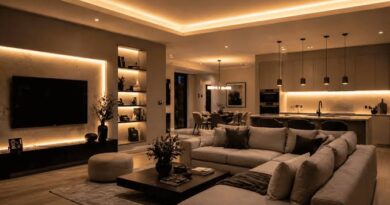
Luxury residential design increasingly incorporates spaces intended for exercise, relaxation, recovery, and mental restoration. Gyms, yoga rooms, saunas, steam rooms, meditation spaces, pools, and outdoor areas are no longer unusual features in high-end properties.
The appeal goes beyond appearance. A dedicated wellness space can remove some of the friction associated with healthy habits. If exercise equipment is immediately available, there is no commute to a gym. If a quiet room is designed for relaxation, it can be easier to create a boundary between work and personal time.
PARK Magazine’s coverage of modern luxury living similarly highlights the growing importance of wellness facilities, including yoga studios, meditation spaces, thermal experiences, fitness programming, and other amenities designed around wellbeing.
The modern luxury home is increasingly expected to support the person living in it, not simply impress visitors.
Personalized Wellness Is More Appealing Than One-Size-Fits-All Care
Another reason wellness is becoming associated with luxury is personalization.
Consumers have become accustomed to customized experiences in other parts of their lives. Hotels remember preferences. Cars can adjust settings automatically. Travel advisors create individual itineraries. Restaurants accommodate specific dietary requirements.
Wellness is following the same direction.
People are increasingly interested in services and routines that reflect their individual needs rather than generic recommendations. Fitness programs can be tailored to goals and ability. Nutrition plans can take lifestyle and preferences into account. Skincare routines can be adapted to different concerns. Health services can focus on individual symptoms and circumstances.
This does not mean every personalized wellness service is medically necessary or equally effective. Consumers still need to distinguish between evidence-based care and marketing claims.
The broader trend, however, is clear: people want wellness experiences that feel relevant to them.
Looking After Your Body Is Part of Modern Luxury
One of the most interesting changes is that physical comfort and health are becoming part of the luxury conversation.
In the past, wellness could be treated as something separate from lifestyle. Today, the two increasingly overlap. Someone may choose a hotel because it has excellent fitness facilities. A homeowner may prioritize a quiet bedroom and a dedicated recovery space. A traveler may build an itinerary around hiking, healthy food, sleep, and restorative experiences.
Even routine medical and wellness care can fit into this broader approach.
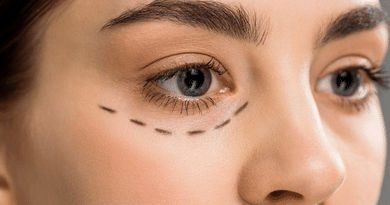
For example, people who experience leg heaviness, swelling, visible varicose veins, or other symptoms may find that those issues interfere with exercise, travel, work, or everyday comfort. Seeking an appropriate medical evaluation is not simply an aesthetic decision. It can be part of taking physical wellbeing seriously.
Texas Vein Experts’ Katy clinic, for instance, describes comprehensive vein evaluations and minimally invasive treatment options for conditions including varicose veins and chronic venous insufficiency. Its Katy location offers treatments such as radiofrequency ablation and sclerotherapy, with treatment plans based on individual evaluation.
The Rise of Recovery as a Lifestyle
Fitness culture once focused heavily on performance. The goal was often to train harder, run faster, lift more, or achieve a particular appearance.
The wellness movement has expanded that conversation to include recovery.
Sleep, mobility, stretching, massage, thermal experiences, rest days, and stress management are increasingly treated as important parts of an overall lifestyle. The message is not simply “work harder.” It is “recover intelligently.”
This is particularly relevant to people with demanding schedules. Constant activity can eventually become counterproductive if the body and mind never have an opportunity to recover.
Luxury wellness spaces respond to this demand by creating environments where recovery feels intentional rather than like wasted time.
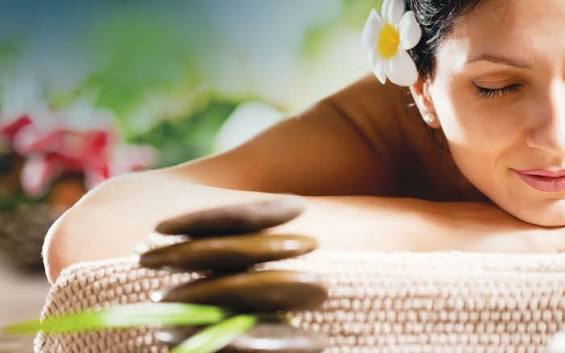
A sauna, quiet lounge, treatment room, or meditation space can therefore represent something more significant than an amenity. It can become part of a person’s regular approach to maintaining balance.
Wellness Travel Is Changing the Luxury Vacation
Travel has also been transformed by the wellness movement.
Luxury travelers increasingly want more than premium rooms, exceptional restaurants, and beautiful views. They may want destinations that allow them to return home feeling genuinely refreshed.
This can take many forms. A resort might offer spa treatments, guided movement sessions, healthy dining, sleep-focused accommodations, outdoor activities, or personalized wellness programs. A private villa might provide a peaceful environment that allows guests to disconnect from busy routines.
The appeal is partly psychological. A luxury vacation is no longer necessarily about escaping ordinary life through excess. It can be about creating an environment in which ordinary stress temporarily disappears.
That is a subtle but important change.
Technology Is Making Wellness More Personal
Technology has also played a major role in changing wellness culture.
Wearable devices can monitor activity, sleep, heart rate, and other measurements. Fitness platforms can personalize workouts. Apps can guide meditation and breathing exercises. Smart-home systems can control lighting, temperature, and other environmental factors.
PARK Magazine has described this broader shift as a change in how people relate to their bodies, with wellness technology and non-invasive treatments becoming part of modern self-care.
Technology can make information easier to access, but more data does not automatically mean better health. Numbers should be interpreted carefully, particularly when they relate to medical decisions.
The most useful technology is often the kind that supports better habits without becoming another source of anxiety.
Quiet Luxury and Quiet Wellness Share the Same Philosophy
The rise of wellness also connects with the broader movement toward quiet luxury.
Both trends move away from obvious displays of excess and toward quality, craftsmanship, personalization, and experience.
A wellness-focused luxury space does not necessarily need to be extravagant. A beautifully designed room with natural light, comfortable materials, good acoustics, and a sense of privacy can create a more meaningful experience than an oversized space filled with unnecessary features.
The same principle applies to personal wellness. A consistent sleep schedule, regular movement, nutritious meals, and time away from screens may have more lasting value than constantly purchasing new wellness products.
Luxury becomes less about having more and more about choosing better.
The Future of Luxury May Be Measured in Wellbeing
As the definition of luxury continues to evolve, wellness is likely to remain an important part of the conversation.
People will still appreciate beautiful homes, exceptional travel, fine dining, fashion, and high-end products. But those experiences are increasingly being evaluated through a broader question: how do they make life feel?
That question changes everything.
A home can be luxurious because it creates calm. A hotel can be luxurious because it makes recovery effortless. A fitness facility can be luxurious because it provides privacy and expert support. A medical service can be valuable because it helps someone address a problem that has been affecting daily life.
The common thread is not price. It is meaningful improvement in the experience of living.
Conclusion
Wellness is becoming the new luxury because modern consumers are placing greater value on things that cannot easily be displayed: health, time, energy, comfort, privacy, recovery, and peace of mind.
The change does not mean traditional luxury is disappearing. Instead, its meaning is becoming broader. The most desirable experiences increasingly combine beauty with function and indulgence with wellbeing.
For people living demanding lives, that may be the ultimate form of luxury. It is not simply having more. It is having the freedom and resources to take better care of yourself, create space to recover, and enjoy life with greater intention.
In that sense, the future of luxury may not be found in what people can accumulate. It may be found in how well they are able to live.