Why a Bicycle Accident Lawyer Is Key to Winning Fair Damages
Little Rock’s cycling community keeps growing, and so does the risk that comes with sharing narrow, car-heavy streets. Nationally, 1,166 cyclists lost their lives in traffic crashes in 2023, and nearly 50,000 more were injured, according to NHTSA data. Cyclists now make up close to 2% of all motor vehicle crash deaths in the US, a figure that reflects how exposed riders are compared to those inside a vehicle. Closer to home, Central Arkansas has repeatedly ranked among the more dangerous metro areas in the country for pedestrians and cyclists, a sign that road design and driver awareness still need to improve.
When a crash actually happens, the aftermath rarely feels simple. Medical bills add up fast, insurance adjusters look for reasons to shift blame, and injured riders are left trying to prove what should be obvious. This is exactly where a bicycle accident lawyer in Little Rock becomes valuable, helping riders separate fact from finger-pointing and pursue compensation that actually reflects their losses. Understanding how these claims typically unfold is the first step toward protecting one’s rights after a crash.
Proving Who Caused the Collision
Liability depends on evidence, not assumptions. A lawyer examines the crash report, photographs, witness accounts, traffic signals, vehicle damage, and available video footage. Those details can show whether a driver failed to yield, turned improperly, followed too closely, or violated another traffic rule.
●Reviewing Available Evidence
The cyclist’s conduct also receives scrutiny. Insurance companies often search for facts that support shared fault, such as alleged speeding, poor visibility, or a failure to use required equipment. A lawyer tests those allegations against the evidence instead of accepting an adjuster’s version of events.
●Analyzing the Accident Scene
Road conditions can create another issue. Poor lighting, unsafe pavement, missing signs, or obstructed sightlines may point to additional responsible parties. Identifying every source of fault prevents the claim from resting on an incomplete account.
Calculating the Full Financial Loss
A settlement should account for more than the emergency room bill. Recoverable damages may include follow-up treatment, physical therapy, prescription costs, repairs to a damaged bicycle, and necessary medical equipment. Invoices, appointment records, and receipts help link each expense to the collision.
●Computing Current and Future Income Losses
Lost income requires separate documentation. Pay stubs, employer records, tax documents, and work restrictions can show wages missed during recovery. If the injury limits future work, medical opinions and employment evidence can help explain that reduced earning capacity.
●Considering Non-Economic Losses
Pain, emotional distress, scarring, and reduced enjoyment of daily activities also affect a claim’s value. These losses require detailed records, including medical notes and a consistent account of how symptoms affect sleep, movement, family responsibilities, and routine activities.
Handling Insurance Company Tactics
An adjuster may request a recorded statement, broad medical authorization, or a quick settlement. Each request deserves careful review because statements can be taken out of context, and broad releases can expose unrelated medical information. Injured cyclists should avoid guessing about fault, recovery time, or future treatment.
●Waiting for the Prognosis
A lawyer handles communications and evaluates settlement proposals against the documented losses. This process reduces pressure to accept an offer before the medical outlook becomes clear. It also creates a consistent record of the cyclist’s position.
●Considering Insurance Coverage
Insurance coverage can raise separate questions. The driver’s policy, household policies, or other applicable coverage may affect available compensation. A lawyer reviews the relevant policies and deadlines before advising whether a settlement or lawsuit makes sense.
Protecting the Claim During Recovery
Medical treatment should remain a cyclist’s first practical priority. Following the treatment plan creates medical evidence while supporting physical recovery. Gaps in care can give an insurer room to argue that the injury was minor or unrelated.
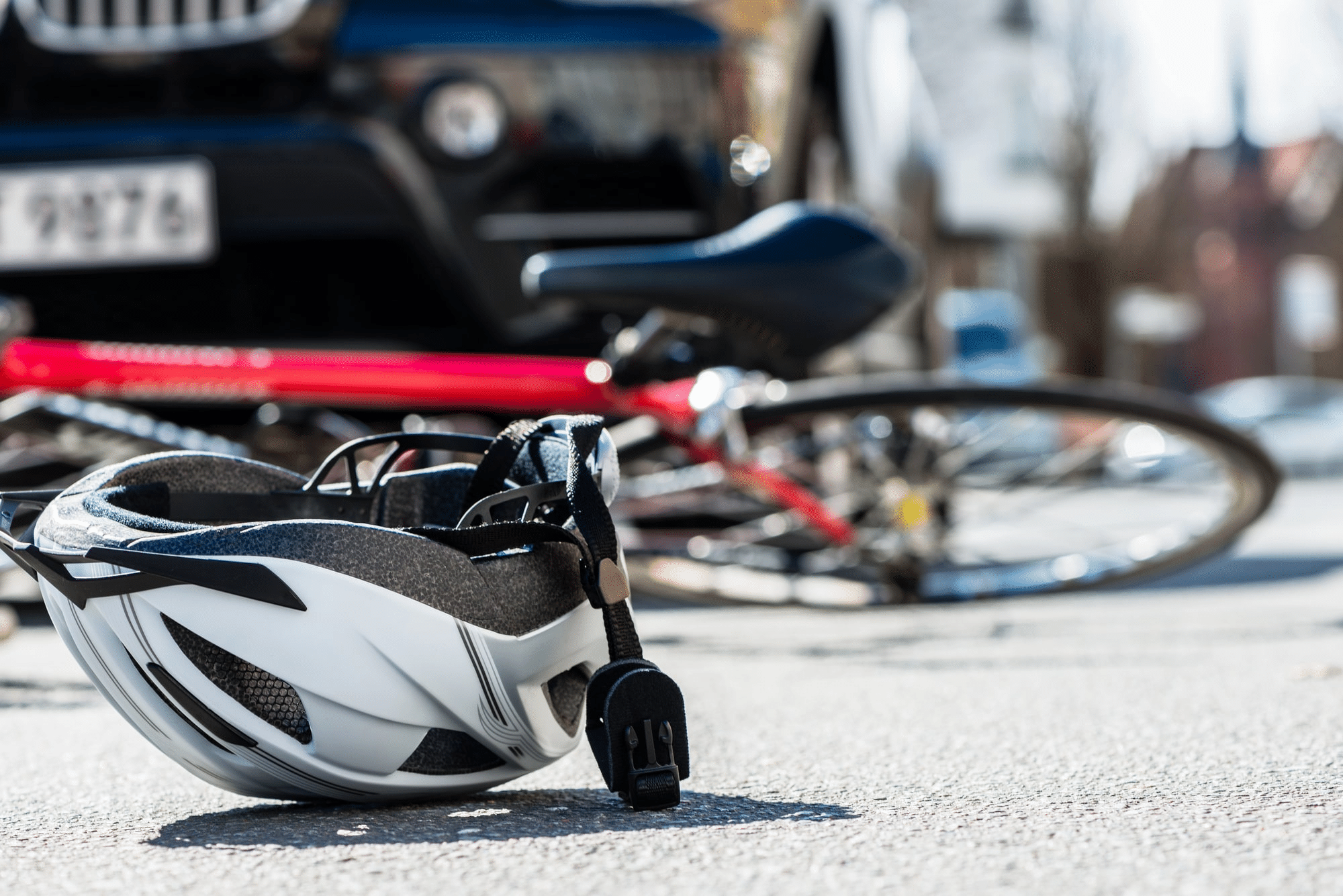
Injured cyclists should preserve the damaged bicycle, helmet, clothing, and other equipment. Photographs should show the items before repair or disposal. Social media posts also require caution because insurers can use photographs or statements to challenge reported limitations.
A lawyer tracks filing deadlines and preserves evidence. Prompt investigation matters because witnesses may relocate, surveillance footage may be overwritten, and roadway conditions change. Early action keeps the claim supported by facts, not memory alone.
Conclusion
Fair damages require a claim that links the collision, the injury, and each financial or personal loss. A bicycle accident lawyer gathers evidence, addresses fault disputes, documents future needs, and evaluates insurance responses before the cyclist gives up legal rights.
Injured cyclists should seek medical care, preserve crash evidence, avoid recorded statements, and schedule a legal review before signing a release. These steps protect the record and support a more informed decision about compensation.