The Artist’s Retreat: Discovering the World of Art Residency Programs
What Art Residency Programs Offer Artists
Art residency programs give artists dedicated time, workspace, and a new setting to develop their practice. They range from quiet retreats in natural landscapes to urban live/work studios, craft-focused international exchanges, virtual programs, and fully funded fellowships.
The best fit depends on what you need now:
- Space to make: Look for studios, equipment, and enough uninterrupted time.
- A change of context: Choose a place that can inform your work, from a national park to a dense cultural city.
- Support you can afford: Compare fees, stipends, travel support, sliding-scale options, and work-trade terms.
- Useful connections: Consider mentorship, peer cohorts, open studios, and community engagement.
A residency is not always about completing a finished piece. It can be a focused period for research, experimentation, rest, skill-building, and meeting collaborators. With more than 50 Artist-in-Residence programs across the U.S. National Park Service and global networks such as Res Artis connecting 700 organizations and individuals in more than 80 countries, there are programs for nearly every discipline and working style.
I am W.A. Muller, and this guide will help you identify, evaluate, and make the most of the right residency opportunity.
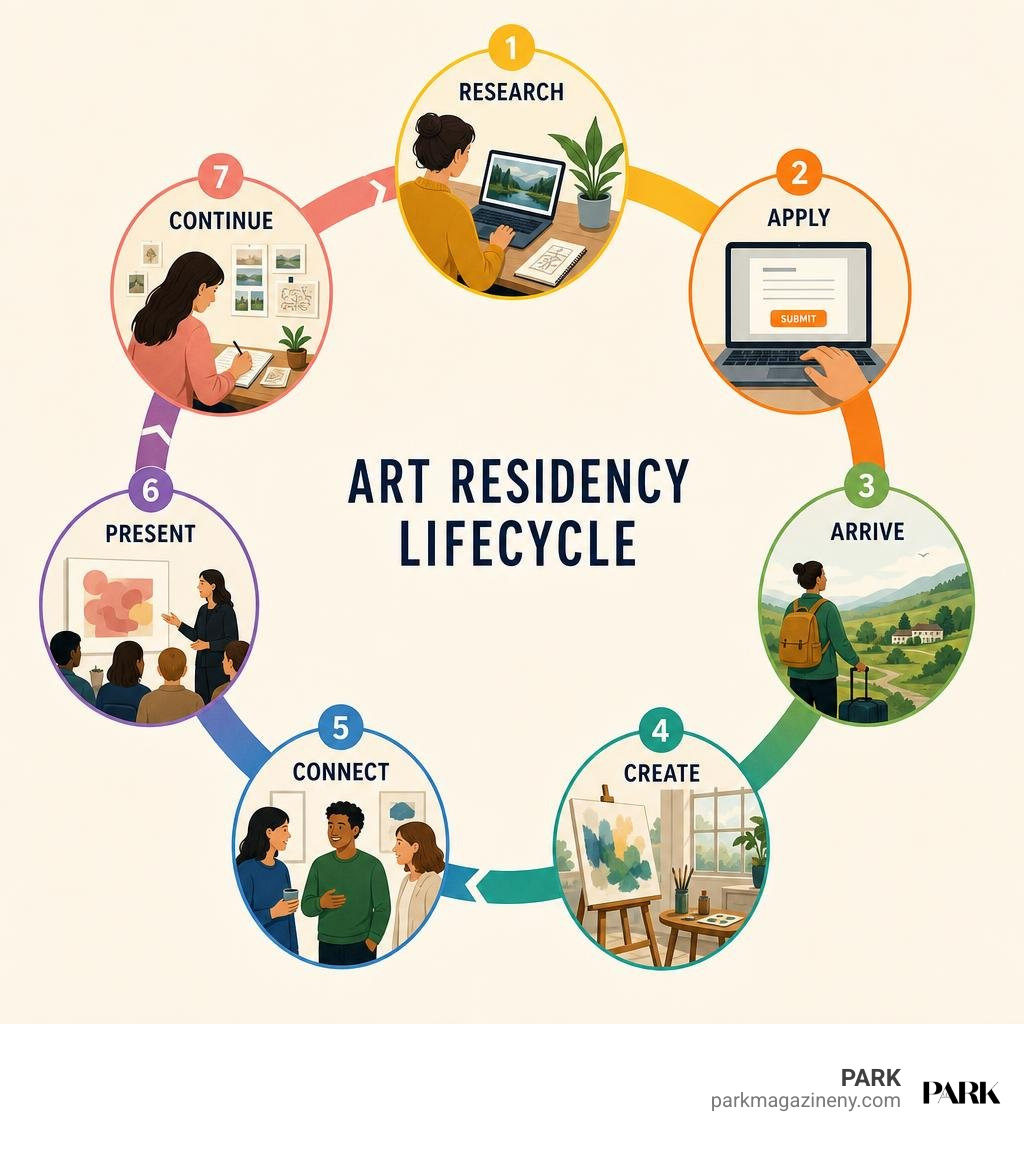
Must-know Art residency programs terms:
Major Types of Art Residency Programs Worldwide
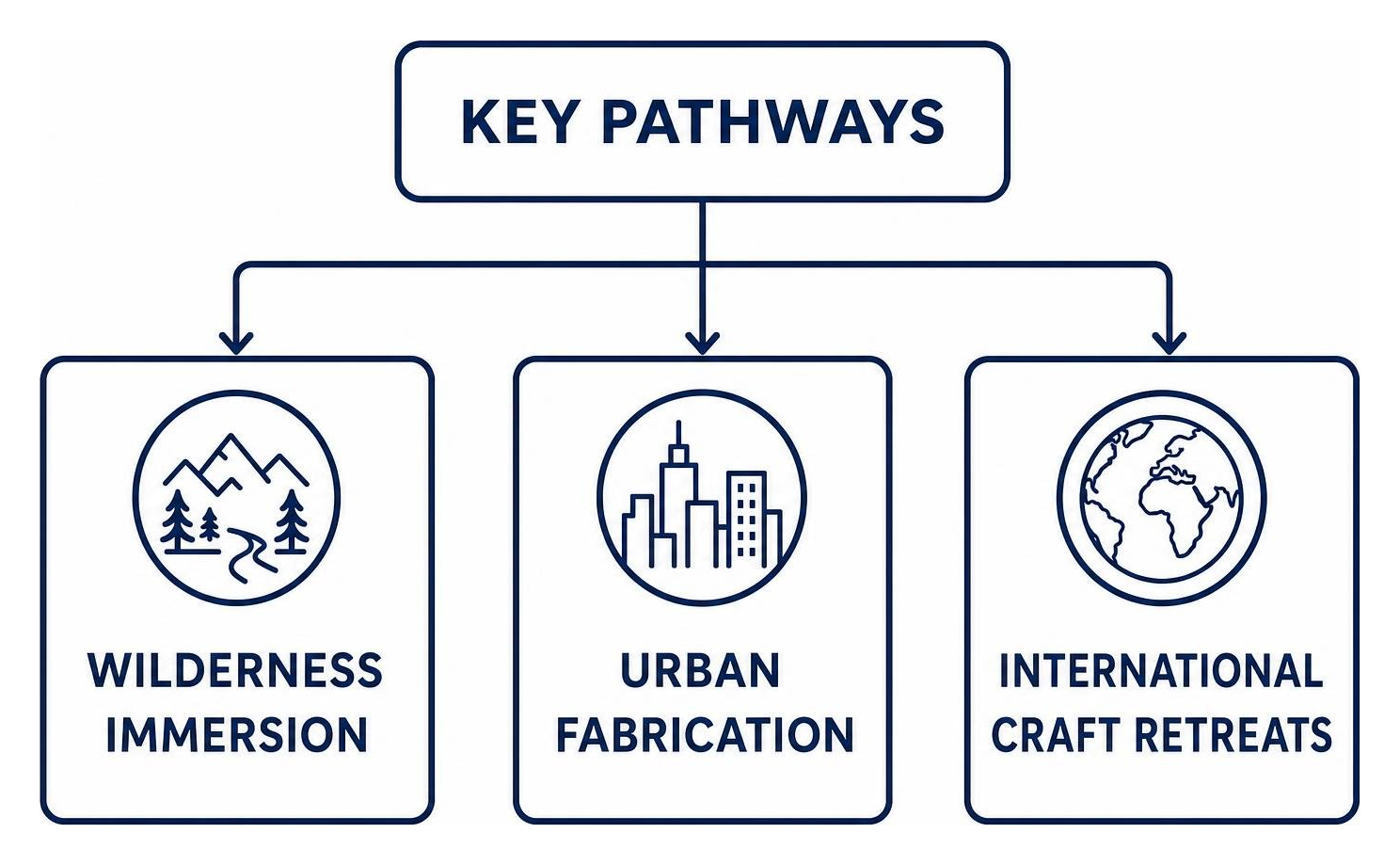
Art residencies are as diverse as the artistic practices they support. Whether an artist needs complete isolation to finish a manuscript, access to industrial ceramics kilns, or deep immersion in a foreign cultural landscape, there is a residency designed to meet that need. Global platforms like the Res Artis network connect creative practitioners with member institutions across more than 80 countries, proving that the desire for focused, site-responsive creative work is truly universal.
Understanding the primary formats helps artists match their current creative goals with the right environment.
Wilderness, Environmental, and National Park Residencies
For creatives seeking to reconnect with natural systems, environmental residencies provide breathtaking backdrops and direct contact with ecological stewardship. The U.S. National Park Service hosts over 50 residency programs across the country, placing painters, writers, photographers, and sound artists in remote settings ranging from subarctic wilderness cabins to historic desert monuments. These programs echo a tradition dating back to the 1870s, when Hudson River School landscape painters helped introduce the grandeur of Western public lands to the public. Most national park residencies last two to four weeks and include complimentary lodging in exchange for a public educational presentation or a donated piece of art.
International programs often integrate deep historical immersion into their natural environments. In Cantabria, Spain, the NAT ART RESIDENCE – 2027 offers a 12-night residency based in a century-old restored stone farmhouse, guiding residents through prehistoric cave art sites such as Altamira and El Castillo to inform their studio output.
On the Pacific coast, the Greenhouse Residency at Mendocino Art Center organizes winter sessions centered around ecological futures, food systems, and creative rest. Operating along the rugged Northern California coastline, it demonstrates how environmental residencies can foster sustainable living dialogues alongside fine art production.
Urban Centers, Institutional Fellowships, and Fabrication Hubs
In contrast to rural retreats, urban residencies offer close proximity to major galleries, museums, critical dialogue, and cutting-edge industrial fabrication facilities. Metropolitan hubs serve as high-energy incubators where artists can expand their professional networks while experimenting with new mediums.
In the New York metropolitan area, programs balance city access with spacious facilities:
- Subsidized Live/Work Spaces: Just minutes from Manhattan, the live/work lofts at ARTS 14C span a 125,000-square-foot creative campus in Jersey City, providing 48 live/work lofts and 24 production studios for emerging and mid-career talent.
- Specialized Production Hubs: Industry-grade fabrication facilities like Powerhouse Arts Brooklyn provide technical mastery in printmaking, ceramics, and metalworking.
- Academic Fellowships: Continuing education programs and studio intensives at institutions like the School of Visual Arts NYC offer rigorous studio critique and specialized facilities.
- Public Exhibitions: Urban fellows frequently engage with civic and commercial platforms, mirroring public creative showcases such as the latest installation unveiled in premier cultural venues.
Cultural Immersion, Craft Heritage, and International Retreats
International residencies invite artists to step outside their daily routines and engage with regional traditions, artisanal manufacturing methods, and local communities.
At the base of Mount Fuji in Japan, SARUYA AIR near Mount Fuji has hosted over 200 artists since 2017. Resident artists spend one to three months collaborating with century-old local textile mills specializing in linen, cupro weaving, and organic cotton, sharing their work during monthly neighborhood Open Studio events.
Similarly, the RESONANCE Lagos Paris mobility program—co-organized by ART X Lagos, the Cité internationale des arts, and the Institut Français du Nigeria—provides Nigerian visual artists, curators, and designers with fully supported three-month live-in studios in Paris, paired with professional mentorship to build sustainable international ties.
Financial Models and Funding Structures
Financial considerations are central when planning a residency stay. Program fees and funding options vary widely, ranging from fully funded fellowships that provide stipends and production allowances to affordable sliding-scale models and work-trade alternatives.
How Art Residency Programs Structure Funding and Financial Models
For artists seeking zero out-of-pocket costs, fully funded opportunities provide essential support. The Camargo Foundation in Cassis, France, has awarded residential fellowships since 1971, offering private apartments along the Mediterranean accompanied by weekly living stipends. In Germany, the prestigious DAAD Artists-in-Berlin Program awards fully funded 12-month fellowships in visual arts, literature, and music (and six-month residencies for filmmakers), providing monthly stipends and travel support.
Corporate and philanthropic partnerships also back high-visibility awards. The annual Patina Art Residency offers a selected artist a month-long, fully supported residency at Patina Maldives, Fari Islands, culminating in international exhibitions. These fully funded awards cover living costs, travel, and production budgets, giving artists the freedom to focus entirely on their work.
Work-Trade Models and Sliding-Scale Alternatives
For community-centered residencies operating without large endowments, work-trade and sliding-scale structures provide accessible paths to attendance:
- Tiered Sliding-Scale Contributions: The Greenhouse Residency at Mendocino Art Center uses a three-tier system ranging from $500 to $2,500 for four-week sessions. This structure allows artists with greater financial flexibility to support subsidized spots for others.
- Work-Trade Labor Exchanges: Programs like Sosta House in Oregon’s Willamette Valley offer a flexible weekly sliding scale from $0 to $250. Artists can reduce their lodging fees by contributing up to four days per week toward property maintenance, cooking, or creative carpentry.
- Collaborative Residencies: By integrating hospitality chores, garden harvesting, or studio fabrication into daily life, these programs keep operational costs low while building strong community connections.
Navigating the Application Process and Essential Requirements
Applying for an artist residency requires thoughtful preparation, clear documentation, and realistic scheduling. Because review panels often evaluate hundreds of submissions during single open calls, submitting organized materials tailored to each program’s specific focus is critical.

Artists can streamline their opportunities by consulting curated directories such as the NYFA Opportunities Board, which regularly updates listings for residencies, fellowships, and open calls with clear deadline and fee filters.
Key Selection Criteria for Art Residency Programs
While individual application guidelines vary, most juried panels evaluate candidates using a core set of portfolio materials:
- Artist Statement and Project Proposal: A concise explanation (typically 300 to 500 words) outlining your conceptual focus, why this specific residency aligns with your current research, and what you plan to explore during your stay.
- Curated Work Samples: Ten to fifteen high-resolution images or video links representing your strongest recent work. Direct submission portals often require standardized file formats (PDF, JPG, PNG) under 50 MB.
- Professional Curriculum Vitae (CV): A clean, formatted document highlighting past exhibitions, education, publications, awards, and prior residency experiences.
- Professional References: Contact details for two to three curators, mentors, or collaborating artists who can speak to your creative dedication and communal living adaptability.
Specialized Support: Families, Accessibility, and Career Tracks
Modern residencies are increasingly accommodating artists with specific life circumstances, caregiving duties, and physical accessibility requirements.
Upstate New York’s The Wassaic Project stands out by offering year-round dedicated family residencies with private accommodations alongside its seasonal summer and winter cohorts. These initiatives provide parents with focused studio time without requiring them to step away from family responsibilities.
Additionally, urban hubs like ARTS 14C offer ADA-compliant live/work units, elevator access, and short-term three-month options designed to help international creatives navigate visa timelines.
Maximizing the Residency Experience and Career Outcomes

Arriving at a residency can feel both exciting and overwhelming. To make the most of your time away from daily routines, it helps to balance focused studio practice with openness to the host community and fellow residents.
- Set Realistic Milestones: Avoid the pressure to produce a finished, pristine body of work immediately. Allow the first few days for reading, material testing, and exploring your surroundings.
- Engage in Peer Critiques: Regularly participate in cohort discussions and informal studio visits. Honest feedback from artists outside your primary medium often yields unexpected conceptual breakthroughs.
- Connect with Visiting Curators: Take full advantage of studio visits with visiting critics, gallery directors, and collectors scheduled by residency organizers.
- Participate in Open Studios: Presenting work-in-progress during community open days helps you practice discussing your creative process with diverse audiences.
Many residency experiences serve as launching pads for sustained professional momentum, leading to gallery representations, institutional acquisitions, and landmark shows such as a featured exhibition at Salomon Arts Gallery in New York City. The relationships formed with peers, mentors, and program alumni frequently evolve into lifelong creative networks.
Frequently Asked Questions about Art Residencies
Are artists always required to produce finished work during a residency?
No. While some residencies culminate in mandatory exhibitions or permanent property contributions, many programs prioritize open-ended research, experimentation, and creative rest over finished production. Always review individual program guidelines before applying to ensure their expectations match your goals.
How long do art residency programs usually last?
Residency lengths vary widely depending on the institution. Short-term intensives and workshop retreats typically run between one and three weeks; seasonal sessions generally span one to three months; and prestigious fellowships—such as the DAAD Artists-in-Berlin or long-term museum residencies—can extend from six months to two full years.
How can emerging artists find residencies with no application fees?
Artists can find no-fee opportunities by using search filters on opportunity platforms like the NYFA Classifieds board, checking member listings on Res Artis, and subscribing to newsletters from non-profit foundations that support equitable access for underrepresented creators.
Conclusion
Art residency programs offer transformative spaces for personal reflection, technical growth, and sustainable creative practice. By stepping out of your everyday environment and immersing yourself in a supportive studio setting—whether deep in a national park or in an urban loft—you give your practice the time and space it needs to evolve.
At PARK Ave Magazine, we remain dedicated to chronicling the evolving cultural landscapes and creative figures shaping our world. For continuous updates on contemporary exhibitions, artist profiles, and cultural dialogues across New York City and beyond, explore our full suite of PARK Magazine art and culture coverage.