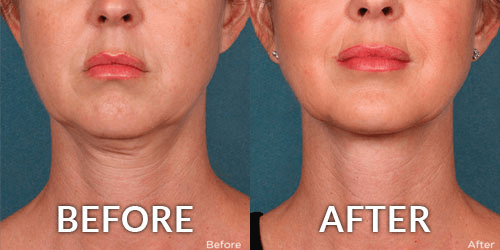
A Complete Guide to Skin Tightening Treatments in Phoenix, AZ
As skin ages, it can gradually lose collagen and elasticity, leading to fine lines, wrinkles, and areas that appear less firm. Changes in weight, sun exposure, and the natural aging process can also affect skin firmness. For people who want to improve the appearance of loose or lax skin without undergoing surgery, skin tightening treatments in Phoenix, AZ can be an option worth exploring.
Because there are several treatment approaches available, understanding how they work and what they can realistically offer is an important first step.
What Are Skin Tightening Treatments?
Skin tightening treatments are designed to improve the appearance of skin that has become loose or less firm. Depending on the technology used, treatments may work by delivering controlled energy to the skin or deeper tissues.
Some non-surgical technologies use radiofrequency, light-based energy, or other forms of energy to heat targeted tissue. Certain treatments are intended to encourage collagen-related changes that can make the skin appear firmer over time. The FDA notes that some RF-based technologies may produce a tighter-looking appearance through skin contraction or changes involving collagen.
However, results can vary from person to person, and non-surgical treatments do not provide the same effect as surgical removal of excess skin.
Who May Consider Skin Tightening?
Skin tightening may appeal to adults who notice mild to moderate skin laxity and prefer a non-surgical approach. Common areas of concern can include the face, jawline, neck, abdomen, arms, or other areas where the skin has lost some firmness.
The right treatment depends on factors such as skin condition, treatment area, medical history, and the amount of laxity present. A consultation with a qualified healthcare provider can help determine whether a particular procedure is appropriate.
It is also important to have realistic expectations. Some treatments may require multiple sessions, and improvements may be gradual or temporary. The FDA recommends discussing expected results, risks, and treatment requirements with a healthcare provider before undergoing aesthetic procedures.
Popular Non-Surgical Options
Non surgical skin tightening Phoenix technologies work in different ways. Radiofrequency treatments, for example, use controlled energy to heat tissue. Some devices are also designed to deliver RF energy through small needles, depending on their intended use.
Other aesthetic technologies use light or laser energy to address specific skin concerns. The appropriate option depends on the treatment goal and the device being used.
Because every technology has specific indications and limitations, patients should ask which device or procedure is being recommended and why it may be suitable for their particular concern.
What Should You Ask Before Treatment?
Before choosing a skin tightening treatment, ask about the provider’s qualifications, the technology being used, expected results, possible side effects, and how many sessions may be recommended.
It is also helpful to discuss medications, existing medical conditions, previous procedures, and any implanted medical devices. Certain energy-based treatments may not be appropriate for everyone. For example, the FDA lists specific precautions and potential complications associated with some RF-based procedures.
Choosing Skin Tightening in Phoenix, AZ
Phoenix patients have access to a variety of aesthetic treatment options, but choosing a provider should involve more than comparing prices. Look for a qualified professional who takes time to evaluate your skin, explains the treatment clearly, and discusses both potential benefits and risks.
A personalized consultation can help you understand which approach may fit your goals and whether a non-surgical treatment is appropriate for your level of skin laxity.
Ultimately, the goal of skin tightening is not to completely change your appearance. A well-planned treatment should focus on improving the look and feel of the skin while keeping expectations realistic and safety a priority.
Disclaimer: This article is for general informational purposes only and is not a substitute for professional medical advice. Consult a qualified healthcare provider before undergoing any aesthetic treatment.