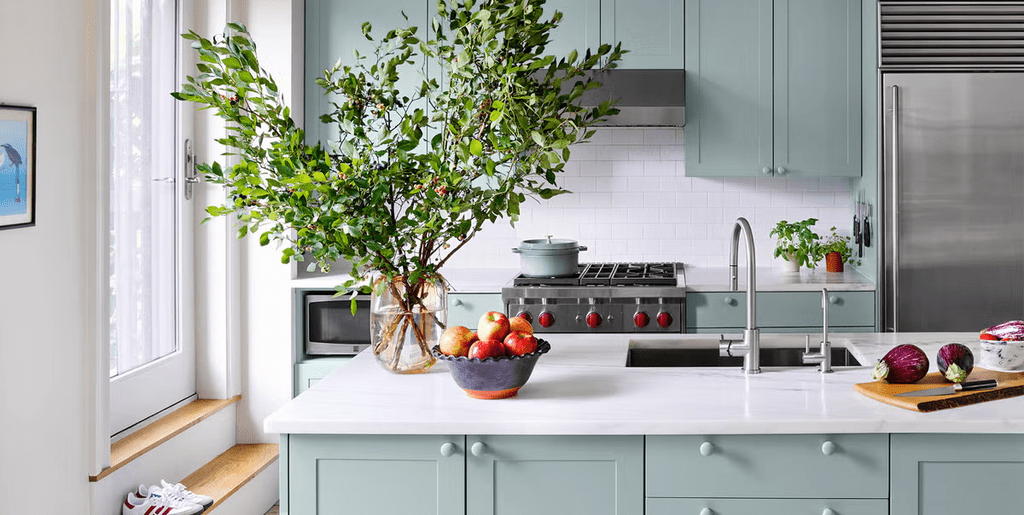
Cabinet Painting: A Practical Guide to Refreshing Your Kitchen and Living Spaces
Cabinets play an important role in the appearance and functionality of a home. They provide essential storage while also occupying a large amount of visual space, particularly in kitchens, bathrooms, laundry rooms, offices, and other frequently used areas. When cabinet doors and drawer fronts begin to look dated, faded, scratched, or worn, replacing the entire cabinetry may seem like the only solution. However, a carefully planned painting project can provide a more affordable way to refresh the space without the disruption and expense associated with a complete cabinet replacement. Professional cabinet painting can transform existing cabinetry, update its color, improve its appearance, and give an older room a noticeably cleaner and more modern look.
Although painting cabinets may appear straightforward, achieving a durable and professional finish requires considerably more preparation than painting an ordinary wall. Cabinets are exposed to frequent touching, moisture, cooking residue, cleaning products, and everyday wear. Because of this, proper cleaning, surface preparation, sanding, priming, paint selection, and application techniques are essential. Understanding the process can help homeowners determine whether their cabinets are suitable for painting and how to plan a successful project.
Understanding the Benefits of Cabinet Painting
One of the biggest advantages of painting existing cabinets is the ability to change the appearance of a room without replacing the cabinetry. Cabinets can represent a substantial portion of a remodeling budget, and replacing them may also require demolition, disposal, installation, and adjustments to surrounding countertops or fixtures.
Painting offers an alternative when the existing cabinet boxes and doors remain structurally sound. A new color can make the room feel brighter, cleaner, larger, or more contemporary depending on the selected finish.
Painting can also coordinate existing cabinetry with other design changes. New hardware, countertops, backsplash materials, lighting, or wall colors can be paired with freshly painted cabinets to create a more cohesive appearance.
Determining Whether Cabinets Are Suitable for Painting
Not every cabinet is an ideal candidate for painting. The condition and material of the cabinetry should be evaluated before the project begins.
Solid wood cabinets are often well suited to repainting because their surfaces can generally be cleaned, sanded, primed, and coated effectively. Some manufactured materials can also be painted, but they may require specialized preparation and compatible products.Cabinets with significant water damage, severe warping, extensive structural deterioration, or badly damaged surfaces may require replacement rather than cosmetic improvement. Painting over serious damage will not restore the underlying structure.
An inspection can help determine whether the cabinet doors, drawer fronts, frames, hinges, and boxes are in good enough condition to justify refinishing.
Choosing the Right Cabinet Color
Color selection is one of the most exciting parts of a cabinet project. A new color can completely change the mood of a room and influence how other design elements appear.
White and other light shades can create a bright, clean appearance and may help smaller rooms feel more open. Neutral colors can provide versatility and work well with a variety of countertops and flooring. Darker shades can create a more dramatic appearance and add visual depth.
Homeowners may also choose contrasting colors for upper and lower cabinets or use a different shade on an island. However, the overall palette should be considered carefully so that the cabinetry complements rather than competes with other features.Before committing to a color, it is useful to test a sample on an inconspicuous area or spare cabinet door. Lighting conditions can significantly affect how a color looks throughout the day.
The Importance of Thorough Cleaning
Cleaning is one of the most important preparation steps in any cabinet painting project. Kitchen cabinets can accumulate grease, cooking residue, dust, fingerprints, and cleaning-product buildup over time.If these contaminants remain on the surface, primer and paint may not adhere properly. Even small amounts of grease can interfere with bonding and contribute to peeling or premature wear.
Cabinets should be cleaned using a method appropriate for their material and existing finish. After cleaning, surfaces should be allowed to dry thoroughly before sanding or priming begins.This stage may seem tedious, but it directly influences the quality of the final finish. Rushing into painting without proper cleaning is one of the most common causes of disappointing results.
Removing Cabinet Hardware and Doors
For a professional-looking finish, cabinet doors and drawer fronts are typically removed before painting. Hardware such as knobs, pulls, hinges, and handles should also be removed when possible.Working with doors separately allows for more controlled application and makes it easier to reach edges and recessed areas. It also reduces the likelihood of getting paint on hinges or hardware.
It is helpful to label doors, drawers, and hardware during removal. Cabinet components can look very similar, and returning them to their original locations can be easier when everything has been organized carefully.Hardware can also be cleaned, replaced, or updated during the project, providing an additional opportunity to refresh the overall appearance.
After cleaning and removing hardware, the surfaces should be prepared for primer and paint. Depending on the existing finish, preparation may involve light or more extensive sanding.Sanding helps create a surface that allows primers to bond more effectively. It can also smooth minor imperfections and remove loose or deteriorated portions of an existing coating.
The goal is not necessarily to remove every trace of the original finish. Instead, the surface should be stable, clean, smooth, and appropriately prepared for the new coating.Damaged areas may require additional attention. Small dents, holes, or cracks can sometimes be filled and sanded smooth before priming.
Why Primer Matters
Primer provides an important foundation for cabinet paint. It can improve adhesion, create a more uniform surface, and help prevent stains or previous colors from affecting the final finish.
The appropriate primer depends on the cabinet material and existing coating. Some surfaces require specialized products to ensure reliable bonding.Primer is particularly useful when making a dramatic color change, painting over stained wood, covering repaired areas, or working with surfaces that are difficult for standard paint to adhere to.
After the primer has dried, the surface should be inspected. Minor imperfections may become more visible at this stage and can often be corrected before applying the finish coats.
Selecting the Right Paint
Cabinets require a coating that can withstand regular handling and cleaning. Standard wall paint is generally not the ideal choice for frequently touched cabinet surfaces.
A quality cabinet or trim coating can provide better durability and a smoother finish. Product selection should take into account the material being painted, expected use, desired appearance, and manufacturer recommendations.
Different products may offer different levels of hardness, flexibility, drying time, and resistance to moisture or cleaning. Homeowners should select a coating specifically suited to cabinetry rather than choosing based solely on color or price.The final finish can also influence maintenance. A surface that is easy to clean may be especially valuable in kitchens and bathrooms where cabinets are frequently exposed to moisture and residue.
Application Techniques Matter
The way paint is applied can have a major effect on the finished appearance. Brush and roller application can work well when performed carefully, while spraying may provide a particularly smooth finish when the proper equipment and controlled environment are available.Regardless of the application method, thin and even coats are generally preferable to applying a heavy layer at once. Excessive paint can lead to drips, runs, uneven drying, and visible texture.
Each coat should be allowed to dry according to the product’s instructions before the next coat is applied. Attempting to accelerate the process can compromise the finish.Professional painters often use techniques designed to minimize brush marks, roller texture, and uneven coverage, resulting in a more consistent appearance.
Cabinet frames require careful attention because they remain installed while the doors and drawers are removed. The surrounding walls, countertops, appliances, floors, and fixtures should be protected before painting begins.
Frames often contain corners, edges, grooves, and narrow sections that require detailed application. Careful preparation and controlled painting can help create a consistent appearance between the frames and removable components.Protecting nearby surfaces is equally important. Paint splatters and accidental drips can be difficult to remove from countertops, flooring, or appliances once they have dried.
Painting Cabinet Doors and Drawers
Cabinet doors and drawer fronts are among the most visible parts of the project, so they require particular attention. They should be positioned on a clean, stable surface that allows all sides to be reached appropriately.
Depending on the design, doors may have recessed panels, decorative edges, grooves, or other details that can collect excess paint. Applying controlled coats helps preserve these features without creating buildup.Both sides of doors may need to be painted, and sufficient drying time should be provided before flipping or reinstalling them. Handling painted components too soon can leave fingerprints, marks, or impressions in the finish.
A controlled work environment can make this part of the project much easier.New paint provides an excellent opportunity to update cabinet hardware. Replacing old knobs, pulls, or handles can reinforce the new style and make the finished cabinetry look even more refreshed.
Hardware should be selected based on appearance, size, comfort, and compatibility with existing holes. If the new hardware uses different hole spacing, additional preparation may be required.For homeowners who want a lower-cost update, cleaning existing hardware or changing its finish may also be an option, provided the material and coating are appropriate for the chosen method.
Cabinet Painting and Kitchen Remodeling
Painting cabinets can be an effective part of a larger kitchen improvement project. Homeowners do not necessarily need to replace every element to achieve a noticeable transformation.
Freshly painted cabinetry can be combined with new lighting, backsplash materials, countertops, flooring, or fixtures. Because cabinets occupy such a large visual area, updating them can influence the appearance of the entire kitchen.
Planning the color and finish alongside other remodeling decisions can help create a coordinated design. It is generally easier to choose a cabinet color after considering permanent features such as countertops and flooring.
Although kitchens are common locations for cabinet painting, the technique can be useful throughout the home. Bathroom vanities can often benefit from a fresh finish, especially when their existing color no longer complements the room.
Cabinets in laundry rooms, home offices, storage areas, and entertainment spaces can also be updated through painting. Each environment has different requirements, particularly regarding moisture and frequency of use.Selecting products appropriate for the room’s conditions can help improve durability and long-term performance.
Professional Versus DIY Cabinet Painting
Some homeowners may choose to paint their own cabinets, particularly when they have sufficient time, tools, and experience. However, the process can be more demanding than expected.
Removing and labeling components, cleaning surfaces, sanding, priming, painting multiple coats, waiting for proper drying, and reinstalling everything can take considerable time. Mistakes may also require additional sanding and repainting.Professional cabinet painting can provide convenience and a more consistent finish for homeowners who prefer to avoid the labor-intensive preparation process. Experienced painters are familiar with surface preparation, coatings, application methods, and techniques for achieving smooth results.
The right choice depends on the homeowner’s budget, schedule, skill level, and expectations for the final finish.A clean and controlled work area can contribute significantly to the quality of the project. Dust, dirt, pet hair, and airborne particles can become trapped in wet paint and create imperfections.
Doors and drawers should ideally be painted in an environment where they can remain undisturbed while drying. Proper ventilation is also important when using coatings that produce strong fumes.Nearby surfaces should be protected with appropriate coverings. Careful preparation of the workspace reduces cleanup and helps prevent accidental damage to the surrounding room.
Understanding Project Costs
The cost of cabinet painting depends on several factors, including the number of cabinets, their size and design, current condition, preparation requirements, coating type, application method, and number of finish coats.
Cabinet doors with elaborate profiles may require more preparation and application time than simple flat-front designs. Cabinets with heavy grease buildup, damaged finishes, or previous coatings may also require additional labor.
When comparing estimates, homeowners should look beyond the total price. A detailed proposal should explain preparation, priming, paint products, number of coats, hardware removal, reinstallation, and cleanup.A lower price may not provide the same level of preparation or finish quality as a more comprehensive service.
One of the most frequent mistakes is skipping thorough cleaning. Paint cannot reliably bond to greasy or dirty surfaces.Another common issue is inadequate sanding or primer selection. A new coating may peel or scratch easily if the surface has not been properly prepared.
Applying excessively thick coats can also create drips and uneven finishes. Patience is essential because cabinet paint needs time to dry and cure before the surfaces receive heavy use.Reinstalling doors and hardware too quickly can cause damage to the fresh finish. Following the coating manufacturer’s recommended drying and curing times is an important part of protecting the investment.
Maintaining Painted Cabinets
Once the project is complete, regular maintenance can help preserve the new finish. Cabinets should be cleaned using products and methods appropriate for the coating.Harsh chemicals, abrasive materials, or aggressive scrubbing may damage some finishes. Soft cleaning materials and gentle methods are often preferable unless the coating manufacturer recommends otherwise.
Moisture should also be controlled, particularly around sinks and other areas where water can frequently contact cabinet surfaces. Wiping spills promptly can help prevent unnecessary wear.
Small chips or scratches should be addressed when noticed rather than ignored. Timely touch-ups can help maintain the appearance of the cabinetry.The lifespan of a painted cabinet finish depends on several factors, including surface preparation, product quality, application technique, usage, environmental conditions, and maintenance.
Cabinets in high-use kitchens may experience more wear than those in less frequently used rooms. Proper cleaning and careful handling can help preserve the finish.The quality of the original preparation is particularly important. A coating applied over a properly cleaned, prepared, and primed surface is more likely to perform well than one applied quickly without adequate preparation.
Conclusion
Cabinets have a major influence on the appearance of a room, and refreshing them does not always require complete replacement. Cabinet painting can provide a practical way to modernize existing cabinetry while potentially saving the time, cost, and disruption associated with a larger remodeling project.
A successful result depends on much more than selecting an attractive color. Thorough cleaning, careful surface preparation, appropriate sanding, proper priming, high-quality cabinet paint, controlled application, and sufficient drying time all contribute to a durable and professional finish.
Homeowners should evaluate the condition of their cabinets before starting and determine whether the existing materials are suitable for refinishing. Choosing the right products and application methods is equally important, especially in areas such as kitchens and bathrooms where cabinets experience frequent handling, moisture, and cleaning.
For those who prefer convenience and consistent results, working with an experienced professional can simplify the process and help avoid common mistakes. For capable DIY homeowners, careful preparation and patience can also produce impressive results.
Ultimately, cabinet painting offers an effective way to give an existing space a fresh identity without completely replacing its cabinetry. With thoughtful color selection, quality materials, proper preparation, and careful workmanship, painted cabinets can improve the appearance, functionality, and overall feel of a room while providing lasting value.