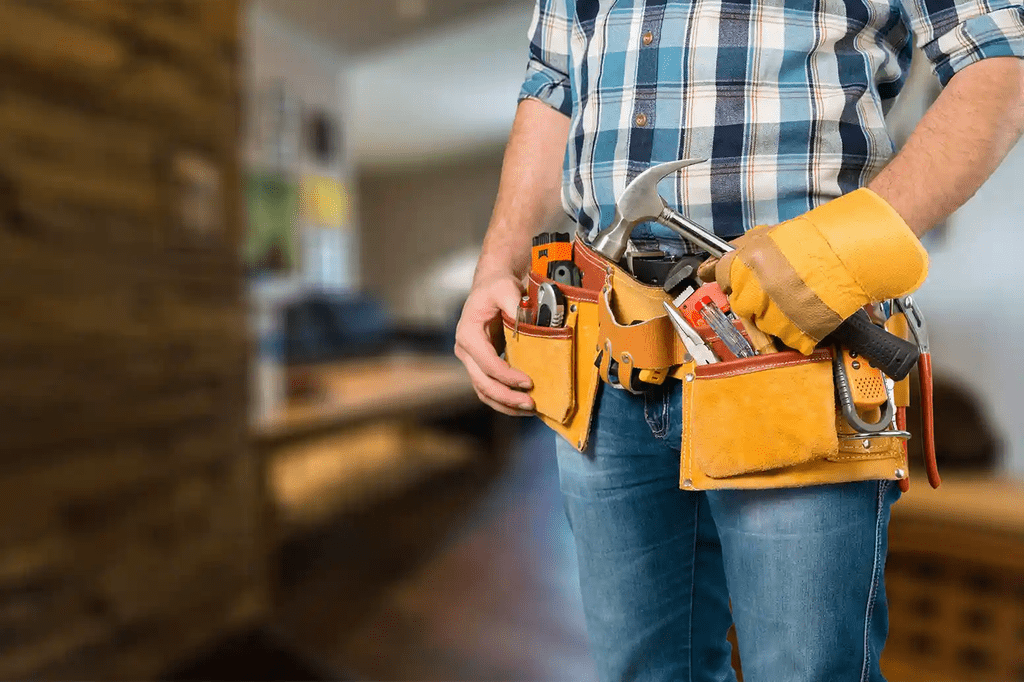
Handyman Services for Reliable Home Repairs, Maintenance, and Improvement Projects
Keeping a home or commercial property in good condition requires ongoing attention. Small repairs, maintenance tasks, installations, and improvement projects can quickly accumulate, creating a long list of jobs that may be difficult to complete without the right tools, skills, or available time. From fixing damaged fixtures and repairing doors to installing shelves, addressing minor plumbing concerns, and completing general maintenance, these tasks are important for keeping a property safe, functional, and attractive. This is where professional handyman services can provide a practical solution for property owners who need dependable help with a wide range of everyday projects.
A skilled handyman can handle numerous maintenance and improvement tasks that may not require a specialized contractor but still benefit from professional knowledge and experience. Instead of hiring separate professionals for every small job, property owners can often address several needs through one organized service. This can save time, simplify scheduling, and make it easier to keep a property in consistently good condition.
Whether the work involves routine maintenance, repairs, installations, or preparation for a larger renovation, understanding the benefits and applications of handyman work can help property owners decide when professional assistance is the right choice.
Understanding the Role of a Handyman
A handyman typically provides assistance with a broad range of general repair, maintenance, installation, and improvement tasks. The exact services offered can vary depending on the professional’s experience, qualifications, tools, and local requirements.
Common projects may include repairing doors, replacing hardware, installing shelves, patching walls, assembling furniture, repairing drywall, mounting fixtures, touching up paint, replacing damaged trim, and completing other general maintenance tasks. Some professionals may also handle certain minor plumbing or electrical jobs when they have the appropriate qualifications and when the work is permitted under applicable regulations.
The primary advantage of this broad skill set is versatility. A property owner may have several unrelated maintenance issues that need attention, and a handyman can often address many of them during the same visit or project.
However, it is important to recognize the limits of general handyman work. Major electrical, structural, roofing, plumbing, gas, or other specialized projects may require licensed specialists. A responsible professional should be willing to explain when a project falls outside their scope.
Why Small Repairs Should Not Be Ignored
Minor property problems can be easy to overlook because they may not seem urgent. A loose cabinet handle, cracked drywall, sticking door, damaged baseboard, or dripping faucet may appear insignificant when considered individually. Over time, however, small problems can become more difficult or expensive to address.
For example, a minor moisture issue can potentially damage surrounding materials if it remains unresolved. A loose handrail can become a safety concern, while a damaged door may affect security, comfort, or energy efficiency.
Addressing small issues promptly can help prevent them from becoming larger maintenance problems. Regular attention also keeps a property looking cared for and reduces the likelihood of accumulating a long list of unfinished tasks.
Common Home Projects a Handyman Can Handle
One of the biggest benefits of professional handyman work is the variety of projects that can be completed. Interior repairs may include patching holes, repairing damaged drywall, replacing trim, fixing doors, installing shelves, mounting mirrors, and making minor carpentry adjustments.
Furniture assembly is another common task. Large or complicated furniture pieces can require significant time and careful interpretation of assembly instructions. A professional with the appropriate tools can often complete these projects efficiently while ensuring that the finished item is properly secured.
Installation projects can include curtain rods, wall-mounted accessories, shelving systems, cabinet hardware, and other household fixtures. Correct installation is important because poorly secured items can become damaged or create safety risks.
Exterior maintenance can also fall within the scope of handyman work. Depending on qualifications and local requirements, projects may include repairing fences, replacing exterior trim, fixing gates, performing minor deck maintenance, or addressing other general property concerns.
Improving Home Functionality
A handyman can do more than repair damaged items. Professional assistance can also improve how a home functions on a daily basis.
For example, additional shelving can make storage areas more organized, while properly installed hooks and wall-mounted systems can help reduce clutter. Adjusting doors and cabinets can make frequently used areas easier to access. Replacing worn hardware can improve both appearance and usability.
These relatively modest changes can have a noticeable effect on everyday comfort. A home does not always need a major renovation to become more practical. Sometimes a series of targeted improvements can produce the desired result with considerably less disruption.
Preparing a Property for Sale
Maintenance and repair work can be particularly valuable when preparing a property for sale. Potential buyers often notice small defects that owners may have become accustomed to seeing.
Loose handles, damaged walls, worn trim, outdated fixtures, broken doors, and unfinished maintenance projects can make a property appear neglected. Completing these tasks before listing can help create a cleaner and more polished presentation.
A handyman can address multiple minor issues during a coordinated visit, allowing property owners to prepare the home more efficiently. While repairs cannot guarantee a particular sale price, a well-maintained property can create a stronger first impression and reduce the number of visible defects that prospective buyers may notice.
Supporting Rental Property Maintenance
Property managers and landlords often have ongoing maintenance requirements. Rental units can experience wear from regular occupancy, and prompt repairs are important for maintaining tenant satisfaction and protecting the property.
A dependable handyman can assist with turnover preparation, routine repairs, fixture replacement, furniture assembly, wall repairs, and other general maintenance tasks. Having a reliable professional available can make it easier to address issues between tenants and prepare units for new occupants.
Regular maintenance can also help property owners identify recurring problems. If the same door, fixture, wall area, or piece of equipment repeatedly requires attention, a professional may be able to recommend a more durable solution instead of continuing to make temporary repairs.
Maintaining Commercial Properties
Handyman work is not limited to residential properties. Offices, retail spaces, rental buildings, and other commercial environments also require regular maintenance.
Commercial maintenance tasks may include repairing doors, installing shelving, replacing hardware, patching walls, assembling furniture, mounting signs or accessories, and completing other general improvements. Keeping these tasks organized can help maintain a professional appearance and minimize disruption to daily operations.
Businesses often have limited time to deal with minor property problems. Outsourcing suitable maintenance tasks can allow employees to focus on their primary responsibilities while a qualified professional handles the physical work.
Saving Time and Reducing Stress
One of the most practical advantages of hiring a handyman is convenience. Many property owners know how to complete some basic repairs but may not have the time or equipment to handle everything on their maintenance list.
A single project may require multiple trips to purchase materials, locate tools, research installation methods, and complete the work. A professional who already has relevant tools and experience can often complete the same task more efficiently.
Time savings can become even more significant when several small jobs are combined. Instead of spending multiple weekends addressing individual problems, a property owner may be able to organize a list and have several tasks completed during a scheduled service period.This can reduce stress and provide a greater sense of control over property maintenance.
Choosing the Right Professional
Not every handyman has the same experience or range of capabilities. Before hiring someone, property owners should consider the type of work required and whether the professional has relevant experience.For larger or more complicated projects, customers should ask about previous work, qualifications, insurance, references, and any licenses that may be required for specific tasks. It is also useful to clarify which types of work the professional does not perform.
Communication is an important part of the selection process. A reliable handyman should be able to discuss the job, explain the expected process, identify required materials, and provide a reasonable estimate.Property owners should also pay attention to professionalism. Clear communication, punctuality, organized work practices, and respect for the property are all valuable qualities.
Before a handyman arrives, it can be helpful to prepare a detailed list of tasks. Instead of mentioning one issue at a time, homeowners can walk through the property and identify all the repairs and improvements they want completed.The list might include loose cabinet doors, damaged trim, wall holes, shelves that need installation, doors that require adjustment, fixtures that need replacement, and other small issues.
Grouping tasks together can make the service more efficient. It also gives the professional a better understanding of the project’s overall scope and allows for more accurate planning.Photos can be useful when requesting estimates remotely. Clear images of damaged areas can help a professional understand the type of work involved before arriving at the property.
Understanding Estimates and Pricing
Pricing structures vary among professionals. Some charge by the hour, while others provide project-based estimates. Material costs may be included separately or incorporated into the total price.Customers should understand what an estimate covers before approving work. This includes labor, materials, disposal of old items, travel or service charges if applicable, and any potential additional costs.
A low initial estimate is not always the best option if it excludes important work or uses inferior materials. On the other hand, a high price does not automatically guarantee superior workmanship.The best approach is to compare estimates based on the complete scope of work, expected quality, communication, experience, and overall value.
Selecting Materials Wisely
Material selection can influence both the appearance and longevity of a repair. A handyman may recommend several options depending on the purpose of the project and the available budget.
For example, replacement hardware should be compatible with the existing fixture and durable enough for regular use. Shelving materials should be selected according to the expected load, while exterior materials should be appropriate for outdoor exposure.Homeowners should communicate their preferences regarding appearance, quality, and budget. A professional can then help identify practical materials that meet those requirements.
For specialized products, customers may need to purchase materials themselves or authorize the professional to purchase them. Clarifying responsibility before work begins can prevent delays.
Many maintenance tasks require tools that homeowners may not own or use regularly. Professional handymen typically work with a broad selection of equipment designed for different repair and installation applications.
Using the right tool can improve accuracy, reduce damage, and make the job safer. For example, properly mounted shelving requires more than simply attaching brackets to a wall. The installer must understand the wall structure, choose appropriate fasteners, and ensure the finished installation can support the intended load.Professional tools can also improve efficiency, particularly when several tasks are being completed during one visit.
Safety and Professional Work Practices
Safety should always be a priority during maintenance and repair work. Tasks involving ladders, power tools, heavy materials, electrical components, or elevated surfaces can create hazards when handled improperly.
A responsible handyman should use appropriate equipment and follow safe working practices. Customers should also avoid interfering with active work areas, particularly when tools or materials are present.Some projects may require specialized protective equipment or professional qualifications. If a job involves significant structural, electrical, plumbing, or other specialized risks, it may be more appropriate to hire a qualified specialist rather than attempting to treat the project as general maintenance.
Knowing when to refer work to another professional is itself an important part of responsible service.Some handyman projects can contribute to better energy efficiency. Small improvements such as sealing gaps around doors, replacing worn weatherstripping, installing appropriate window treatments, or repairing damaged components may help reduce drafts and improve indoor comfort.Replacing inefficient fixtures with newer alternatives may also provide benefits, depending on the property and product selected.
Although individual improvements may appear small, several targeted maintenance projects can contribute to a more comfortable and efficient home. A handyman can help identify practical improvements that do not require major remodeling.
Preparing for Seasonal Maintenance
Different times of year can create different maintenance needs. Seasonal preparation may include inspecting exterior features, repairing gates and fences, checking weatherstripping, touching up exterior finishes, and addressing small problems before changing weather conditions make them worse.
Indoor maintenance can also be scheduled around seasonal routines. Property owners may use these periods as opportunities to review storage areas, repair damaged fixtures, organize spaces, and complete projects that have been postponed.
Creating a recurring maintenance schedule can prevent minor problems from accumulating. Rather than waiting for several issues to become urgent, homeowners can address them gradually throughout the year.
Avoiding DIY Problems
Do-it-yourself projects can be rewarding, but not every repair is suitable for every homeowner. A lack of experience can sometimes result in additional damage, wasted materials, or safety risks.
For simple decorative tasks, DIY work may be perfectly reasonable. However, when a project involves unfamiliar tools, difficult installation requirements, or the possibility of damaging the property, professional assistance may be more efficient.
Hiring handyman services can also provide peace of mind for people who simply do not have the time or interest to complete maintenance tasks themselves. The goal is not to eliminate DIY projects but to use professional help when it offers clear practical value.
Property maintenance becomes easier when it is treated as an ongoing process rather than a collection of emergencies. Homeowners can keep a running list of repairs, improvements, inspections, and maintenance tasks.As new issues appear, they can be added to the list and prioritized based on safety, urgency, cost, and convenience. A professional can then address multiple appropriate tasks during scheduled visits.
This approach can help property owners stay ahead of deterioration. It can also make budgeting easier because maintenance needs are identified earlier rather than appearing unexpectedly.
A long-term strategy should include both visible improvements and less noticeable maintenance. Keeping doors, fixtures, trim, storage systems, and other components in good condition helps preserve the property’s functionality and appearance.
Conclusion
Property maintenance does not always require major renovations or specialized construction projects. Many of the tasks that make a home or commercial space more comfortable, functional, and attractive are relatively small but still require time, tools, and practical expertise. Professional handyman services in Chapel Hill provide a convenient way to manage these tasks while reducing the burden on property owners.
From drywall repairs and furniture assembly to shelving installation, door adjustments, fixture replacement, exterior maintenance, and general improvements, a skilled handyman can address a broad range of everyday needs. The greatest value often comes from combining several small projects into one organized service visit, allowing property owners to save time and keep their maintenance responsibilities under control.
Choosing the right professional is important. Customers should consider experience, qualifications, insurance, communication, pricing, references, and the scope of work before making a decision. Clear estimates and written agreements can also help prevent misunderstandings and ensure that everyone understands the project’s expectations.
Regular maintenance can protect a property from avoidable deterioration while improving comfort and appearance. Instead of allowing small repairs to accumulate, homeowners and property managers can create a practical maintenance schedule and address issues before they become larger concerns.
Ultimately, handyman services are valuable because they provide flexible support for the many smaller projects that keep a property operating properly. With careful planning and a dependable professional, routine repairs and improvements can become easier to manage, helping property owners maintain a safer, more organized, functional, and attractive environment for years to come.