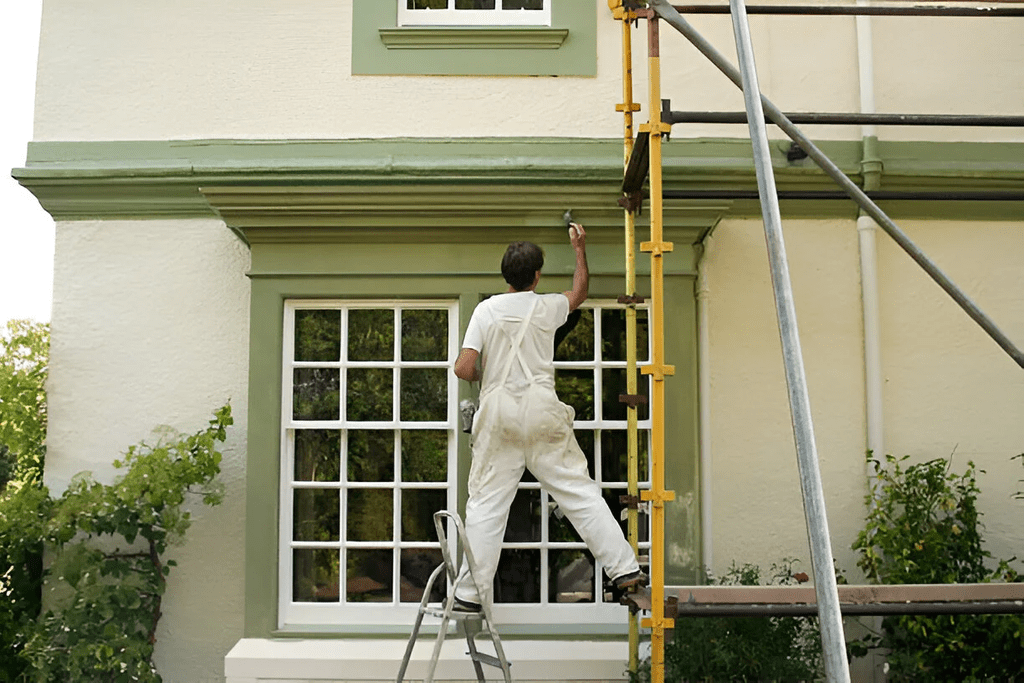
Exterior Painter: How Professional Expertise Can Transform and Protect Your Property
The exterior of a building is constantly exposed to changing weather conditions, sunlight, moisture, dirt, wind, and everyday environmental wear. Over time, these factors can cause paint to fade, peel, crack, blister, or lose its original appearance. A fresh coat of paint can dramatically improve curb appeal, but exterior painting is about much more than applying a new color. Proper surface preparation, product selection, application techniques, and attention to detail all contribute to a durable and attractive finish. For homeowners and property owners planning an exterior improvement project, hiring an experienced exterior painter can make a substantial difference in both the appearance and long-term condition of the property.
Professional exterior painting involves several stages, beginning with an assessment of the existing surfaces and ending with detailed cleanup and inspection. The quality of each stage affects the final result. Even the highest-quality paint may fail prematurely if it is applied to a dirty, damaged, damp, or improperly prepared surface. A knowledgeable professional understands these requirements and can develop an approach based on the building’s materials, condition, design, and exposure to environmental elements.
Understanding the Importance of Exterior Painting
Exterior paint serves both decorative and protective purposes. A carefully selected coating can help shield certain building surfaces from moisture, ultraviolet exposure, and general environmental deterioration. At the same time, a new color scheme can give an older property a refreshed appearance and improve its overall visual presentation.
Paint deterioration can happen gradually, making it easy for property owners to overlook until the damage becomes obvious. Faded colors, peeling areas, exposed wood, cracking, chalking, and uneven finishes may indicate that the existing coating is no longer performing effectively.
Regular evaluation can help property owners determine when repainting is appropriate. Waiting until surfaces are severely deteriorated may require additional preparation, repairs, and labor. Addressing the problem earlier can sometimes make the project more straightforward.
Assessing the Existing Exterior
Before selecting paint colors or scheduling work, the condition of the exterior should be evaluated carefully. Different surfaces can have different requirements, and the same preparation method may not be appropriate for every material.
Wood siding may show signs of rot, cracking, or moisture damage. Stucco can develop cracks or areas of deterioration. Masonry may require specialized coatings, while metal surfaces can develop rust or corrosion.
An experienced exterior painter can identify areas that require repair before painting begins. This assessment is important because applying paint over damaged material does not solve the underlying problem. If deteriorated wood or damaged siding is not addressed first, the new finish may fail prematurely.
The assessment should also consider previous coatings. Certain paints, primers, or surface treatments may influence which products can be applied successfully. Understanding the existing condition helps create a more reliable plan.
Why Surface Preparation Matters
Surface preparation is one of the most important parts of an exterior painting project. The paint needs a clean, stable, and appropriately prepared surface to adhere properly.
Preparation may involve removing loose paint, cleaning dirt and mildew, sanding rough areas, scraping peeling sections, repairing cracks, replacing damaged materials, and priming exposed surfaces.Pressure washing can sometimes be useful for removing accumulated dirt and debris, but it must be performed appropriately for the material. Excessive pressure can damage wood, force water into unwanted areas, or create additional problems.
After cleaning, surfaces may need adequate drying time. Painting over damp materials can interfere with adhesion and contribute to premature failure. Professionals understand the importance of preparing the surface thoroughly rather than rushing directly to application.
Selecting the Right Exterior Paint
Exterior paint is exposed to conditions that interior paint does not normally experience, so products should be selected specifically for outdoor applications. Different formulations are designed for different surfaces and environmental demands.
Paint selection may depend on whether the surface is wood, masonry, stucco, metal, composite material, or another substrate. Factors such as durability, flexibility, moisture resistance, color retention, and ease of maintenance can influence the choice.
The finish also matters. Matte, satin, semi-gloss, and other finishes can create different visual effects and may perform differently depending on the application. The ideal choice should balance appearance with practical requirements.
Property owners should avoid selecting paint solely based on color or price. A suitable product should be compatible with the existing surface and appropriate for the conditions the building experiences.
Choosing an Exterior Color Scheme
Color is one of the most noticeable aspects of an exterior painting project. The right palette can highlight architectural details, complement landscaping, and create a more cohesive appearance.
Many properties benefit from using a primary exterior color combined with complementary shades for trim, doors, shutters, or other details. A restrained palette can create a timeless appearance, while more contrasting combinations can give a property greater visual character.
When choosing colors, property owners should consider how the building looks at different times of day. Sunlight can change how colors appear, and surrounding surfaces may influence the overall effect.It is often helpful to test sample colors on small sections before committing to a complete project. This allows homeowners to evaluate how the colors interact with the actual building materials and surrounding environment.
Painting Different Exterior Materials
Different materials require different preparation and application techniques. Wood surfaces may need scraping, sanding, caulking, and priming, particularly in areas where old coatings have deteriorated.
Stucco requires attention to cracks and surface texture. Paint products should be compatible with the material and appropriate for its characteristics.Brick and masonry can also require specialized preparation and coatings. Moisture movement is an important consideration, so property owners should avoid treating masonry exactly like a smooth wood or metal surface.
Metal components may require rust removal and appropriate primers before painting. Proper preparation helps prevent corrosion from continuing underneath the new coating.A professional understands these differences and can adjust the process accordingly rather than using a single approach across the entire building.
The Role of Primer
Primer can provide an important foundation for the finish coat. It can improve adhesion, help create a more uniform surface, and provide additional protection in certain applications.
Primer may be especially important when painting new or exposed materials, covering significant color changes, addressing stains, or working with surfaces that require specialized preparation.
Not every surface necessarily requires the same primer, and product compatibility matters. The appropriate primer depends on the substrate and the type of finish coating being applied.Skipping necessary priming can sometimes lead to uneven color, poor adhesion, or premature deterioration. A professional assessment can help determine where primer is beneficial or required.
Repairing Surfaces Before Painting
Exterior painting often reveals or highlights existing damage, which is why repairs should be addressed before the finish coat is applied. Cracks, holes, loose boards, damaged trim, and deteriorated sections can affect both appearance and performance.
Caulking may be used around suitable joints and gaps to create a cleaner transition between materials and help manage minor openings. However, caulk should not be treated as a solution for serious structural damage or moisture problems.
Wood rot and other significant deterioration may require replacement rather than cosmetic repair. Addressing these problems before painting can help ensure that the new finish is applied to a sound surface.This preparation stage can increase project time and cost, but it often contributes substantially to the quality and longevity of the final result.
Working With Weather Conditions
Exterior painting is heavily influenced by weather. Temperature, humidity, wind, rain, and direct sunlight can all affect application and drying.Paint manufacturers typically provide recommended environmental conditions for their products. Applying paint outside those conditions may lead to problems such as poor adhesion, uneven drying, excessive runoff, or premature failure.
Professionals monitor weather conditions and plan the work accordingly. A brief delay caused by unfavorable weather may be preferable to applying paint under conditions that compromise the finished surface.Weather planning is particularly important for larger projects because different sections of the building may require multiple coats and sufficient drying time.
Improving Curb Appeal
One of the most immediate benefits of exterior painting is improved curb appeal. A fresh, well-executed paint job can make a property appear cleaner, newer, and better maintained.Color can also emphasize architectural features. Trim, doors, shutters, columns, railings, and other details can be highlighted through carefully selected accent colors.
However, curb appeal is not simply about choosing attractive colors. Clean preparation, consistent coverage, sharp edges, and attention to detail contribute equally to the finished appearance.A professional approach can help ensure that the exterior looks cohesive rather than simply covered in new paint.
Paint can provide an additional layer of protection for many exterior surfaces. Properly maintained coatings can help reduce exposure to moisture and other environmental factors, depending on the material and product used.
This does not mean paint eliminates the need for maintenance. Exterior surfaces should still be inspected periodically for cracks, damaged materials, leaks, and other problems.A durable coating combined with regular maintenance can help preserve the appearance and condition of the property over time. Early attention to small areas of deterioration may prevent larger repairs later.
Preparing a Property for Sale
Exterior appearance can influence a potential buyer’s first impression. A faded or peeling exterior may make a property appear less maintained, even when its interior is in excellent condition.
Repainting before listing can create a more polished appearance and help highlight the property’s architectural features. Neutral or broadly appealing colors may also make it easier for potential buyers to imagine their own preferences.
However, property owners should consider the condition of the underlying materials before repainting. Cosmetic improvements are most effective when significant maintenance problems have also been addressed.
A fresh paint job should be treated as part of a broader property maintenance strategy. Regular inspections can help identify small areas of peeling, cracking, staining, or other deterioration.Keeping gutters clean can help prevent water from repeatedly flowing over exterior walls. Trimming vegetation away from painted surfaces can also reduce moisture retention and physical contact.
Cleaning exterior surfaces periodically may help maintain their appearance. However, cleaning methods should be appropriate for the material and coating to avoid unnecessary damage.If small areas begin to deteriorate, addressing them promptly may be easier than waiting until widespread repainting becomes necessary.
Understanding the Cost of Exterior Painting
Exterior painting costs can vary considerably depending on the size of the property, surface condition, building height, material type, number of coats, preparation requirements, paint quality, and accessibility.
A detailed estimate should identify the scope of preparation and painting rather than providing only a single unexplained total. Property owners should understand whether the estimate includes cleaning, scraping, sanding, repairs, primer, finish coats, materials, labor, and cleanup.
The cheapest estimate may not provide the best long-term value if it involves inadequate preparation or lower-quality materials. Conversely, the most expensive proposal is not automatically the best. Customers should compare the overall scope, product quality, experience, communication, and expected workmanship.A clear written agreement can help prevent misunderstandings about what is included in the project.
Choosing the Right Professional
Selecting a qualified professional is an important step in achieving a successful result. Property owners should consider experience with the specific type of building and materials involved.
Questions about previous projects, references, insurance, warranties, preparation methods, and paint products can help customers evaluate potential contractors.
Communication is also important. A reliable professional should explain the process clearly and provide realistic expectations about preparation, scheduling, weather delays, and project completion.Property owners should be cautious about contractors who pressure them to make immediate decisions or provide vague estimates without properly evaluating the property.
Avoiding Common Exterior Painting Mistakes
One of the most common mistakes is painting over dirty or deteriorated surfaces. Even premium paint cannot compensate for inadequate preparation.Another mistake is using interior products outdoors or selecting a coating that is incompatible with the existing surface. Product selection should always be based on the material and environmental conditions.
Painting during unsuitable weather can also create problems. Rushing the project to meet an arbitrary deadline may produce a finish that does not perform as expected.Overlooking small details is another issue. Areas around windows, doors, trim, vents, fixtures, and rooflines require careful attention because poor preparation or application in these locations can affect both appearance and moisture protection.
Professional Equipment and Safety
Exterior painting may require ladders, scaffolding, sprayers, specialized brushes, rollers, surface-cleaning equipment, and protective gear. Working at height also creates safety risks that should not be underestimated.Professionals are generally familiar with appropriate equipment and safe work practices. They can also determine when a particular section of a building requires additional access equipment rather than relying on unsafe methods.
Safety is especially important for large buildings, steep surfaces, or areas near electrical lines and other hazards. Property owners should never assume that an exterior painting project is a simple task merely because the visible work involves applying paint.
A high-quality exterior paint project can provide more than an immediate visual improvement. Proper preparation, suitable products, and professional application can contribute to a longer-lasting finish and reduce the frequency of major repainting.This makes quality an important consideration when evaluating contractors and materials. Spending slightly more on proper preparation or durable products may provide better value over the life of the project.
The goal should be to create an exterior finish that looks good when completed and continues to perform under normal environmental exposure.
Conclusion
A property’s exterior is constantly exposed to conditions that can gradually reduce both its appearance and condition. Professional painting can refresh the building, highlight its architectural features, and provide an additional layer of protection for suitable surfaces. However, achieving a durable result requires much more than selecting a color and applying paint.
Hiring an experienced exterior painter can help property owners address important stages of the project, including surface assessment, cleaning, repairs, priming, product selection, application, and final inspection. Each stage contributes to the quality and longevity of the finished result.
Property owners should evaluate contractors carefully, compare detailed estimates, ask about preparation methods, confirm product compatibility, and consider experience with the specific materials involved. Weather conditions, safety, maintenance, and long-term performance should also be part of the planning process.
A successful exterior painting project combines visual appeal with practical durability. When preparation is thorough and materials are selected appropriately, a refreshed exterior can make a property look cleaner, more welcoming, and better maintained while helping protect its surfaces from everyday environmental exposure.
Ultimately, choosing the right exterior painter is an investment in the appearance and long-term care of a property. With careful planning, professional workmanship, and regular maintenance, a new exterior finish can provide lasting value and help the building remain attractive and well protected for years to come.