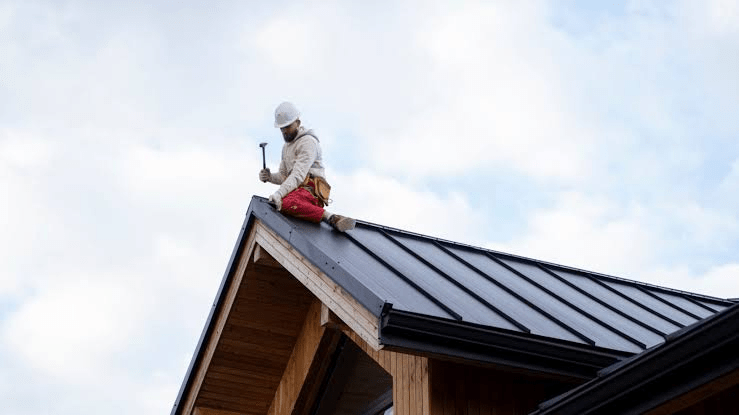
Roof Repair After Storm Damage: A Comprehensive Guide to Identifying Problems, Preventing Further Damage, and Restoring Your Roof
A roof is one of the most important protective components of any building. It shields the interior from rain, wind, sunlight, snow, debris, and changing weather conditions while helping maintain a comfortable indoor environment. Despite its importance, roofing systems are exposed to the elements every day, so damage can gradually develop even when problems are not immediately visible. Small leaks, damaged shingles, worn flashing, blocked drainage systems, and deteriorating seals can eventually become expensive structural issues if they are ignored. Understanding the basics of roof repair can help property owners recognize warning signs, respond to problems promptly, and make informed decisions about maintenance and professional services.
Understanding Why Roof Repair Matters
Roof repair is not simply about fixing an occasional leak. It is an important part of maintaining the overall condition and value of a property. When roofing problems are addressed early, the affected area may require relatively limited work. If damage is allowed to continue, moisture can spread beneath roofing materials and affect insulation, decking, walls, ceilings, electrical components, and other parts of the structure.
A roof also plays a role in energy efficiency. Damaged roofing materials, deteriorated insulation, and moisture intrusion can affect indoor temperature control. A properly maintained roofing system can help the building envelope perform as intended and reduce the likelihood of unnecessary energy loss.
Regular repair and maintenance can also extend the service life of a roof. Roofing materials are designed to provide protection for many years, but their performance depends on installation quality, weather exposure, ventilation, drainage, maintenance, and timely attention to damage.
Common Signs That a Roof Needs Attention
Some roofing problems are obvious, while others develop gradually. Visible water stains on ceilings or walls are among the most recognizable warning signs. However, a ceiling stain may not be directly underneath the damaged section of the roof because water can travel along structural components before entering the interior.
Missing, cracked, curled, or damaged shingles can also indicate that a roof requires attention. Shingles may deteriorate because of age, weather exposure, improper installation, or physical impact. Even a relatively small area of missing material can expose underlying layers to moisture.
Other warning signs include damaged flashing around chimneys, vents, skylights, and roof edges. Flashing helps direct water away from vulnerable joints, so deterioration in these areas can create opportunities for leaks.
Granules accumulating in gutters can also indicate aging or deteriorating shingles. While some granule loss is normal, an unusual increase may warrant inspection. Sagging roof sections, visible daylight through roof decking in an attic, musty odors, or damp insulation are additional reasons to seek professional evaluation.
Leaks Are Often More Complicated Than They Appear
A roof leak may seem like a simple problem, but locating its actual source can be challenging. Water does not always enter directly above the visible interior stain. It may move along rafters, decking, insulation, or other surfaces before reaching a point where it becomes noticeable.
This is why applying a quick patch to the location where water appears inside the building may not permanently solve the problem. The underlying entry point must be identified and repaired appropriately.
Professional roof inspections can help determine whether the issue involves shingles, flashing, roof penetrations, drainage, underlayment, or another component. Identifying the actual source is particularly important when leaks occur repeatedly or appear in different locations.
Inspecting Shingles and Roofing Materials
Shingles are among the most visible parts of many roofing systems and provide an important layer of weather protection. Over time, they can become cracked, broken, curled, lifted, or missing.
Wind can loosen roofing materials, while falling branches and other debris can cause impact damage. Prolonged exposure to ultraviolet radiation and changing temperatures can also contribute to gradual deterioration.
During an inspection, damaged shingles should be evaluated along with the surrounding area. Replacing a single visibly damaged shingle may not be enough if nearby materials are also approaching the end of their useful life.
The type of roofing material matters as well. Asphalt shingles, metal roofing, tile, slate, wood products, and other systems have different characteristics and repair requirements. Repairs should use compatible materials and appropriate installation techniques.
Flashing and Roof Penetrations
Some of the most vulnerable parts of a roof are locations where different surfaces meet or where objects pass through the roofing system. Chimneys, vents, skylights, pipes, and other penetrations require carefully installed flashing and seals.
Flashing can deteriorate, loosen, corrode, or become displaced over time. Sealants can also crack or shrink. When these components fail, water may enter around the penetration even when the surrounding roofing material appears to be in good condition.
Repairing flashing requires more than simply applying a new layer of sealant over an existing problem. Depending on the condition, the flashing may need to be repositioned, replaced, or integrated properly with surrounding roofing materials.
The Importance of Roof Drainage
Water management is essential to roof performance. A roof should direct rainwater toward appropriate drainage points rather than allowing it to accumulate on vulnerable surfaces.
Gutters and downspouts play a major role in controlling runoff. When they become clogged with leaves, dirt, or debris, water may overflow and remain against roof edges, fascia boards, walls, or foundations.Regular gutter maintenance can therefore support overall roof health. Downspouts should also discharge water away from the building in a manner that does not create additional moisture problems around the foundation.
Flat and low-slope roofs have their own drainage considerations. Standing water can place additional stress on roofing materials and may indicate drainage or structural issues that require professional attention.
Storm Damage and Emergency Repairs
Severe weather can cause sudden roofing damage. Strong winds may lift or remove shingles, while hail, falling branches, and heavy debris can puncture or crack roofing materials. Heavy rainfall can quickly expose weaknesses that were previously unnoticed.
After a significant storm, property owners should inspect the roof from a safe location rather than climbing onto it unnecessarily. Visible debris, missing materials, damaged flashing, sagging areas, or interior leaks should be taken seriously.
Temporary measures may sometimes be necessary to reduce further water intrusion until permanent repairs can be completed. However, temporary protection should not be treated as a substitute for proper repair. Roofing damage can continue to worsen beneath temporary coverings if the underlying issue remains unresolved.Professional inspection after severe weather can help document damage and identify less obvious problems that may not be visible from ground level.
Roof Repair Versus Roof Replacement
One of the most important decisions a property owner may face is whether to repair an existing roof or replace it entirely. The answer depends on factors such as the roof’s age, overall condition, extent of damage, material type, previous repair history, and expected remaining service life.
A localized problem on a relatively young and otherwise healthy roof may be a good candidate for repair. Replacing damaged shingles, flashing, or other components can restore the affected area without requiring a complete replacement.
However, repeated leaks, widespread material deterioration, extensive structural damage, or an aging roof nearing the end of its expected service life may make replacement more practical. Spending heavily on repeated repairs can become less economical when large portions of the roof are already deteriorated.A professional roofing assessment can help compare the immediate repair cost with the longer-term benefits of replacement.
Choosing Appropriate Repair Materials
Roof repairs should use materials that are compatible with the existing roofing system. Using mismatched products can create appearance differences, performance problems, or installation complications.
For shingle roofs, replacement materials should be suitable for the existing roof type and installed according to appropriate manufacturer recommendations. Metal roofing may require specific fasteners, panels, sealants, and flashing techniques. Tile and slate roofs require specialized handling because individual pieces can break if improperly walked on or removed.
The underlying components should also be considered. A visible roof covering may not be the only damaged layer. Underlayment, decking, insulation, flashing, and structural components can all be affected by prolonged moisture exposure.
Roof Ventilation and Moisture Control
Ventilation is another important factor in roof performance, particularly in buildings with attic spaces. Proper ventilation helps manage heat and moisture buildup beneath the roof assembly.
Inadequate ventilation can contribute to excessive heat, condensation, moisture accumulation, and deterioration of certain roofing components. These problems may not produce immediate visible leaks, making them easy to overlook.
A roofing professional can assess whether the existing ventilation arrangement is appropriate for the building and roofing system. Repairs should not focus solely on visible exterior damage if underlying ventilation or moisture-management issues are contributing to deterioration.Looking at the roof from the outside provides valuable information, but an attic inspection can reveal additional clues. Water stains, damp insulation, mold-like growth, damaged wood, and daylight entering through unintended openings may indicate problems above.
Attic inspections can also help identify whether a roof leak is active or whether an older moisture problem has left residual damage. However, homeowners should be cautious when entering attic spaces because of electrical wiring, unstable surfaces, insulation, limited visibility, and heat.If significant concerns are suspected, a qualified professional can perform an inspection more safely and systematically.
Hiring a Qualified Roofing Professional
Roof work can involve considerable safety risks, especially on steep or elevated surfaces. Professional roofing contractors have access to appropriate equipment, materials, and experience for completing repairs safely.
When selecting a contractor, homeowners should consider experience with the specific roofing material, references, insurance coverage, licensing requirements where applicable, written estimates, warranties, and communication practices.
A detailed estimate should explain the proposed work rather than simply providing a single total price. It should identify the areas being repaired, materials being used, preparation requirements, cleanup arrangements, and any conditions that could change the final cost.
Property owners should be cautious about contractors who pressure them into immediate decisions without providing enough information. A trustworthy professional should be willing to explain the problem and the recommended solution.
Why Quick DIY Repairs Can Become Problems
Some minor maintenance tasks may be manageable for experienced homeowners, but roofing repairs can become dangerous quickly. Walking on a roof can be hazardous, particularly when surfaces are wet, steep, fragile, or covered with debris.
Improper repairs can also create additional problems. Incorrectly installed shingles, damaged flashing, excessive sealant, or poorly placed fasteners can allow water to enter rather than preventing it.
A repair that appears successful from ground level may fail during the next heavy storm. When the issue involves a large area, steep roof, structural concern, or difficult-to-access location, professional service is generally the safer approach.
Preventive Roof Maintenance
Preventive maintenance can reduce the frequency and severity of roofing problems. Regular visual inspections can identify damaged shingles, blocked gutters, deteriorating flashing, debris accumulation, and other concerns.
Trees should also be managed carefully around buildings. Overhanging branches can scrape against roofing materials, drop debris, and increase the risk of impact damage during storms. Keeping nearby vegetation appropriately maintained can reduce some of these hazards.
Gutters should be cleaned as needed, particularly during periods when leaves and other debris accumulate rapidly. Roof surfaces should also be kept reasonably clear of unnecessary debris, although people should avoid climbing onto roofs without appropriate safety precautions.
Routine maintenance does not guarantee that a roof will never develop problems, but it can improve the chances of identifying damage before it becomes extensive.
Understanding the Importance of Roof Age
Age is an important factor when evaluating whether repair makes sense. Every roofing material has an expected service life, but actual performance varies depending on installation quality, weather exposure, maintenance, ventilation, and other conditions.An older roof may still perform well, while a relatively new roof may develop problems because of storm damage or installation defects. Therefore, age should not be considered in isolation.
If an older roof develops a new leak, the best solution may depend on the condition of the entire system. A professional can evaluate whether localized repair is likely to provide reasonable long-term value or whether replacement would be a better investment.
Roof repair expenses can vary significantly depending on the nature and extent of the problem. A small repair involving a few damaged components may be relatively straightforward, while widespread water damage or structural deterioration can require extensive work.
Homeowners can manage costs by addressing problems promptly, maintaining drainage systems, scheduling inspections, and avoiding unnecessary delays. Small problems are often easier to address before moisture spreads into underlying materials.It is also useful to compare repair estimates based on the scope and quality of work rather than simply selecting the lowest price. A cheaper repair may not provide good value if it uses inferior materials or fails to address the actual cause of the problem.
Protecting the Interior During Roofing Work
A professional repair should include appropriate measures to protect the building’s interior and surrounding property. Roofing work can involve dust, debris, fasteners, damaged materials, and other construction waste.
Before work begins, homeowners should discuss how landscaping, vehicles, outdoor furniture, windows, and other nearby items will be protected. Interior areas beneath the work zone may also require attention if there is an active leak.After repairs are completed, the work area should be inspected for loose debris and materials. Proper cleanup is an important part of completing the project safely and professionally.
Roof repair should be viewed as part of a broader property maintenance strategy rather than an isolated event. Keeping records of inspections and repairs can help property owners understand how the roofing system has changed over time.
Documentation can include dates of inspections, areas repaired, materials used, contractor information, and recommendations for future maintenance. These records may be particularly valuable when a property changes ownership or when additional repairs become necessary.
A long-term approach can also help homeowners plan financially. Instead of waiting for a major emergency, they can anticipate future maintenance needs and make informed decisions about repairs or eventual replacement.
Conclusion
Roof repair in los gatos plays a crucial role in protecting a building from weather, moisture, and structural deterioration. Problems such as damaged shingles, failing flashing, blocked drainage, storm damage, and leaks can become increasingly expensive when ignored, making early attention an important part of responsible property ownership.
A successful repair begins with accurate diagnosis. Fixing the visible symptom without addressing the underlying cause may provide only temporary relief. Proper materials, appropriate installation methods, effective drainage, ventilation, and regular maintenance all contribute to long-term roof performance.
Property owners should also recognize when professional assistance is necessary. Large or steep roofs, storm damage, structural concerns, difficult-to-access areas, and repairs near electrical hazards can create serious safety risks. Experienced roofing professionals can evaluate these conditions and recommend appropriate solutions.
Ultimately, a well-maintained roof provides more than protection from rain and wind. It supports the condition, comfort, efficiency, and value of the entire property. By arranging regular inspections, responding quickly to warning signs, maintaining drainage systems, and choosing quality repair work, homeowners can extend the useful life of their roofing system and avoid many preventable problems.