What Homeowners Should Know About Materials, Safety, and Professional Roof Install
A roof is one of the most important structural components of any home because it protects the interior from rain, wind, sunlight, moisture, and changing outdoor conditions. When a roof becomes damaged, worn, or outdated, replacing or installing a new one requires careful planning and professional attention. A successful roof install involves much more than placing new roofing materials over an existing structure. It requires an assessment of the roof’s condition, appropriate material selection, proper measurements, safe installation practices, effective ventilation, reliable flashing, and attention to drainage. Homeowners should understand the major stages of the process before work begins so they can make informed decisions and communicate effectively with contractors. Choosing quality materials and experienced professionals can also help improve the roof’s lifespan and performance. A properly installed roof can provide dependable protection while improving the appearance and energy efficiency of the property. Taking time to plan the project carefully can help homeowners avoid unnecessary costs and prevent problems that may otherwise develop after installation.
Understanding When a New Roof Is Necessary
Determining whether a roof needs complete replacement or only repairs is an important first step. Some roofing problems can be resolved through targeted repairs, while widespread deterioration may indicate that replacement is more practical. Homeowners should pay attention to missing, cracked, curled, or damaged roofing materials, as well as water stains on ceilings and walls. Persistent leaks can indicate problems with flashing, underlayment, ventilation, or the roofing surface itself. Sagging areas may represent more serious structural concerns that require professional inspection. The age and maintenance history of the existing roof can also influence the decision. Rather than making assumptions based only on visible damage, homeowners should have the roof evaluated by a qualified professional. An experienced contractor can identify hidden problems and explain the available options. If replacement is necessary, proper planning for the roof install can help ensure that structural issues are addressed before new materials are placed.
Choosing the Right Roofing Material
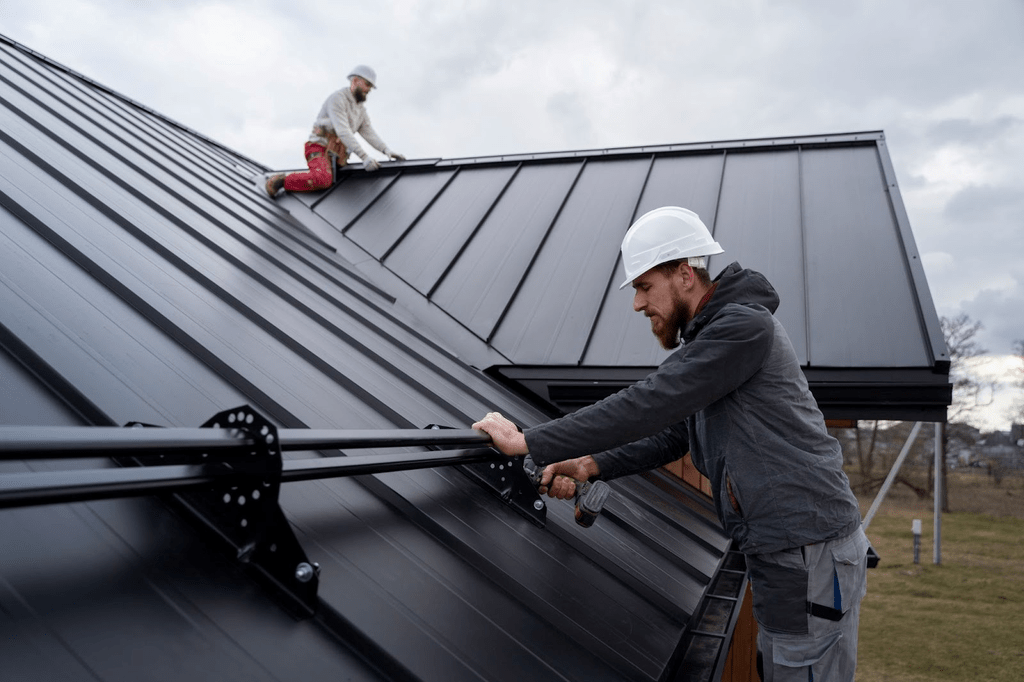
One of the most important decisions in a roofing project is selecting the appropriate material. Homeowners have several options, and each material offers different advantages related to appearance, durability, maintenance, cost, and expected lifespan. Asphalt shingles are widely used because they are available in numerous styles and are generally practical for many residential applications. Metal roofing can offer durability and a distinctive appearance, while tile and other specialized materials may provide unique aesthetic and performance characteristics. Homeowners should consider the structure of the building, the desired appearance, the maintenance requirements, and the overall project budget when comparing materials. It is also important to evaluate the quality of the specific product rather than selecting materials based solely on price. A professional contractor can explain how different options perform under various conditions and help homeowners choose an appropriate solution. The right material can make a significant difference in the longevity and appearance of the finished roof install.
Preparing the Structure Before Installation
Proper preparation is essential for achieving reliable roofing performance. Before new materials are installed, the existing roof should be inspected carefully to determine whether the underlying decking, framing, and other structural components are in suitable condition. Damaged or deteriorated sections may need to be repaired or replaced before the new roofing system is installed. The surface should also be properly prepared so that materials can be attached securely and evenly. Ignoring underlying problems can result in premature deterioration even when high-quality roofing materials are used. Homeowners should ask contractors how they will inspect and prepare the existing structure before beginning work. Proper preparation also provides an opportunity to identify moisture damage, inadequate ventilation, and other issues that may not be visible from the ground. A thorough preparation process helps establish a solid foundation for the roof install and can reduce the risk of future leaks or structural complications.
Understanding the Importance of Roof Ventilation
Ventilation is an often-overlooked part of roofing construction, but it can have a major influence on long-term performance. Proper airflow helps regulate temperature and moisture levels within the roof assembly. Without adequate ventilation, heat and moisture can accumulate in enclosed areas, potentially contributing to condensation, material deterioration, mold growth, and reduced energy efficiency. A balanced ventilation system generally requires appropriate intake and exhaust pathways so air can circulate effectively. Homeowners should discuss ventilation with their contractor before installation rather than assuming that it will automatically be addressed. Existing ventilation should be inspected during the planning stage, especially when an older roof is being replaced. Improving ventilation may be necessary if the current system is inadequate or improperly configured. Proper airflow can help protect roofing materials and supporting structures from unnecessary stress. Including ventilation considerations in the roof install process can therefore contribute to greater durability and improved performance over time.
Selecting a Qualified Roofing Contractor
The quality of the installation depends heavily on the contractor performing the work. Homeowners should evaluate potential contractors based on experience, reputation, communication, workmanship, and familiarity with the selected roofing material. Reviewing previous projects can provide useful insight into the contractor’s capabilities, while customer feedback may reveal information about reliability and professionalism. Homeowners should also request a detailed written estimate explaining materials, labor, preparation, removal, cleanup, and other project costs. It is important to understand who will perform the actual installation if subcontractors are involved. A professional contractor should be willing to explain the installation process and answer questions about warranties, timelines, safety procedures, and maintenance. Choosing a contractor solely because they offer the lowest price can sometimes result in compromises that affect long-term performance. A dependable professional will focus on quality and transparency throughout the project. Selecting the right contractor is one of the most important decisions homeowners can make for a successful roof install.
Planning for Weather and Project Timing
Weather conditions can affect roofing work, particularly when materials require dry surfaces or specific installation conditions. Homeowners should discuss scheduling with their contractor and understand how unexpected weather may influence the project timeline. Rain, strong winds, or extreme temperatures can make certain installation tasks unsafe or affect how materials perform. A professional contractor should have a plan for protecting exposed areas if weather changes during construction. Homeowners should also make arrangements for temporary disruption around the property, including noise, material deliveries, and access requirements. Children and pets should be kept away from active work areas because roofing projects involve tools, materials, ladders, and elevated surfaces. Clear communication about scheduling can help reduce inconvenience and prevent misunderstandings. Proper weather planning also allows the contractor to perform each stage under suitable conditions. Taking these factors into account can contribute to a smoother and safer roof install.
Paying Attention to Flashing and Water Protection
Flashing plays a critical role in preventing water from entering areas where roofing materials meet walls, chimneys, vents, skylights, or other structures. Even high-quality roofing materials can fail prematurely if flashing is poorly installed or damaged. During a replacement project, existing flashing should be inspected carefully and replaced when necessary. Properly installed flashing creates a protective barrier that directs water away from vulnerable joints and openings. Sealants may also be used in specific applications, but they should not be considered a substitute for proper flashing design and installation. Homeowners should ask contractors how they plan to handle flashing around complicated roof details. Attention to these areas is especially important because leaks may originate from small openings that are difficult to identify after the finished roof is installed. Thorough flashing work can help protect the interior of the home from moisture damage. It is therefore an essential part of a properly completed roof install.
Considering Energy Efficiency
A roofing project can provide an opportunity to improve the energy performance of a home. Roofing materials, insulation, ventilation, and reflective properties can all influence indoor temperature and energy consumption. Depending on the building design and existing insulation, homeowners may benefit from addressing insulation or ventilation issues while the roof is accessible. Certain roofing materials and colors may also affect how much solar heat is absorbed. However, energy performance depends on the entire building envelope rather than the roof alone. Homeowners should discuss potential improvements with qualified professionals who can evaluate the existing structure and recommend suitable options. It is important to consider both the initial investment and the potential long-term benefits of improved efficiency. Proper installation remains essential because even highly efficient materials cannot perform as intended if they are incorrectly installed. Combining suitable materials with sound construction practices can make the roof install a valuable opportunity to improve overall building performance.
Understanding Roofing Safety
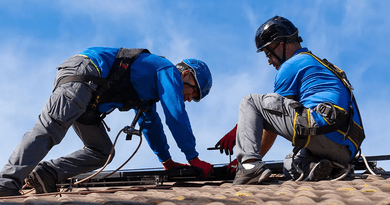
Roofing work involves significant safety risks because workers operate at height and handle heavy materials and specialized equipment. Professional contractors should follow appropriate safety practices throughout the project. Ladders, scaffolding, fall-protection equipment, tools, and material handling procedures all require careful attention. Homeowners should avoid entering active work areas unless specifically authorized by the contractor. Children, pets, and visitors should also be kept away from construction zones. Materials should be stored securely so they do not create unnecessary hazards around the property. Contractors should have clear procedures for handling unexpected situations and maintaining a safe work environment. Homeowners can contribute to safety by following instructions and keeping access areas clear. Safety should never be sacrificed to speed up the project. A carefully managed roof install protects not only the structure but also the workers and everyone living around the property.
Managing the Project Budget
A realistic budget is essential for any major roofing project. The final cost may include removal of old materials, structural repairs, underlayment, roofing materials, flashing, ventilation, labor, disposal, permits where applicable, and cleanup. Homeowners should request a detailed estimate rather than relying on a general price. Unexpected structural damage may increase costs after the old roofing materials are removed, so maintaining a reasonable contingency budget can be helpful. Comparing estimates from different contractors can provide a better understanding of typical project costs and identify differences in materials or services. However, homeowners should compare the full scope of each proposal rather than simply choosing the lowest number. A quote that appears inexpensive may exclude important components or use lower-quality materials. Clear communication about payment schedules and potential additional costs can also prevent disputes. Careful financial planning allows homeowners to invest appropriately in materials and workmanship while keeping the roof installed within a manageable budget.
Maintaining the New Roof
Proper maintenance can extend the useful life of a newly installed roof and help homeowners identify minor problems before they become expensive repairs. Routine inspections should look for damaged or missing roofing materials, deteriorated flashing, blocked drainage systems, and other visible issues. Gutters and downspouts should be kept clear so rainwater can move away from the structure effectively. Leaves and debris should not be allowed to accumulate in areas where they can trap moisture. Homeowners should also monitor interior ceilings and walls for signs of water intrusion. Any suspected leak should be investigated promptly rather than ignored. Professional inspections may be useful periodically, particularly after severe weather or when the roof reaches an advanced stage of its expected service life. Maintenance requirements will vary depending on the roofing material and construction details. Following appropriate maintenance recommendations can help protect the investment made in the roof install and preserve the roof’s appearance and performance.
Avoiding Common Roofing Mistakes
Several mistakes can reduce the effectiveness and lifespan of a roofing project. One common error is selecting materials based entirely on price without considering durability and long-term maintenance. Another is hiring a contractor without checking their experience, references, or project details. Homeowners may also overlook ventilation, flashing, insulation, and drainage because these components are less visible than the finished roofing surface. Failing to address damaged decking before installing new materials can lead to future problems. Another mistake is assuming that a new roof requires no maintenance after installation. Regular inspection remains important even when high-quality materials have been used. Homeowners should also avoid making major decisions without understanding the project scope and potential additional costs. Clear communication with the contractor can prevent many misunderstandings. By planning carefully and paying attention to both visible and hidden components, homeowners can avoid many problems that could otherwise compromise the success of the roof install.
Increasing the Long-Term Value of the Home
A properly installed and maintained roof can provide more than basic weather protection. It can improve the appearance of the property, increase comfort, support energy efficiency, and contribute to the overall condition of the building. Choosing durable materials and professional workmanship can reduce the frequency of repairs and replacements. Homeowners should think about long-term performance rather than focusing only on immediate appearance or installation cost. A well-designed roofing system can also help protect interior finishes, insulation, structural components, and personal belongings from moisture damage. Regular maintenance further supports this investment by identifying problems before they become severe. When planning a replacement, homeowners should consider how the roofing system fits into their broader property maintenance strategy. Investing in quality at the beginning can provide greater value over the life of the roof. A carefully planned roof install can therefore contribute to both immediate protection and long-term property value.
Final Thoughts
A successful roofing project depends on careful planning, quality materials, skilled workmanship, proper ventilation, effective water management, and consistent maintenance. Homeowners should begin by determining whether replacement is necessary and then evaluate material options based on durability, appearance, maintenance, and budget. Choosing an experienced and transparent contractor is equally important because even excellent materials can perform poorly when installation is rushed or improperly completed. Structural preparation, flashing, ventilation, drainage, and safety should all receive attention throughout the project. Homeowners should also establish a realistic budget and understand what is included in the written estimate before work begins. Once the project is complete, regular inspections and maintenance can help preserve the roof and identify potential issues early. A professional approach can make the entire process more predictable while improving long-term results. Ultimately, a properly planned roof install can provide dependable protection, enhance the appearance of the home, and create lasting value for the homeowner when every stage of the project is handled with care and attention to quality.