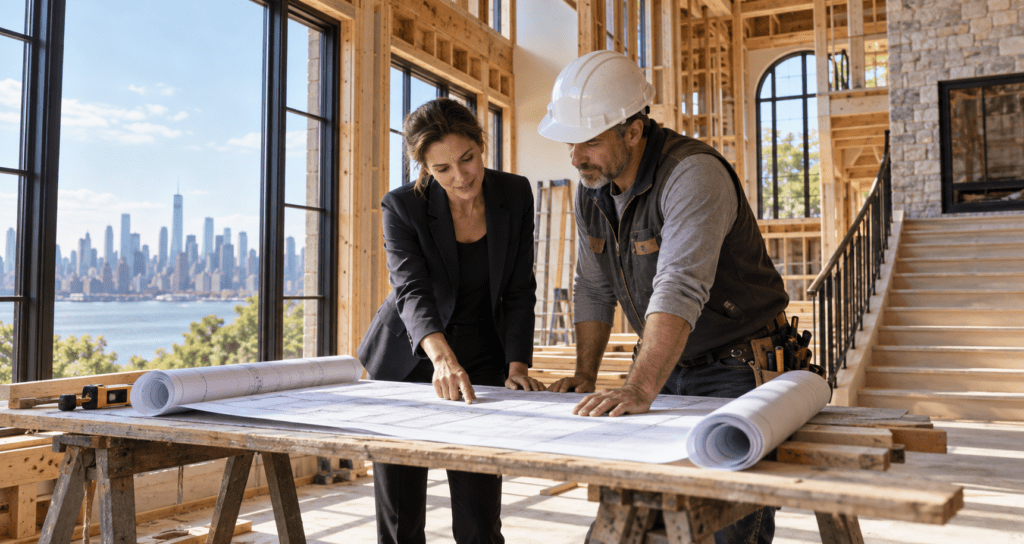
Essential Guide to Choosing the Right Builder for a Successful Construction Project
Building a new property or improving an existing structure is a major investment that requires careful planning, reliable workmanship, and effective communication. From the earliest design discussions to the final finishing details, every stage of construction can influence the quality, durability, appearance, and overall cost of the finished project. Property owners often focus heavily on architectural plans and materials, but selecting the right professional to manage and complete the physical work is equally important. A qualified builder can help coordinate different stages of construction, communicate with tradespeople, identify potential issues, and keep the project moving according to the agreed plan. Good construction also depends on accurate measurements, suitable materials, proper site preparation, structural quality, and attention to building requirements. Before work begins, property owners should establish their goals, budget, expected timeline, and preferred design. They should also understand which responsibilities belong to the construction team and which decisions they need to make themselves. Taking time to organize these details creates a stronger foundation for the project and can reduce confusion, delays, and unexpected expenses as construction progresses.
Understanding the Role of a Construction Professional
A construction professional can have an important role in turning architectural concepts and project plans into a completed physical structure. Depending on the type and size of the project, responsibilities may include coordinating workers, arranging materials, organizing schedules, monitoring progress, and ensuring that work follows the approved plans. The exact responsibilities can vary, so property owners should clarify the scope before signing an agreement. Some projects may require coordination with architects, engineers, electricians, plumbers, roofers, painters, and other specialists. Keeping these different trades organized can help prevent scheduling conflicts and unnecessary delays. A professional team should also understand the importance of maintaining consistent quality throughout each stage rather than focusing only on the final appearance. Good communication is another important part of the process because construction decisions often need to be made quickly when unexpected conditions arise. Understanding these responsibilities allows property owners to establish realistic expectations and choose a professional who is suitable for the complexity of their project.
Defining Your Construction Goals
Before selecting a construction company or professional, property owners should have a clear idea of what they want to accomplish. The project may involve building a new home, extending an existing structure, renovating interior spaces, creating additional rooms, constructing a commercial building, or completing another type of improvement. Each objective has different requirements, costs, materials, and timelines. A clear project description makes it easier to communicate expectations and obtain accurate estimates. Property owners should consider the number and purpose of rooms, preferred finishes, structural requirements, storage needs, outdoor features, energy considerations, and other important details. It is also useful to separate essential requirements from optional upgrades so decisions can be made if the budget changes. Having plans, drawings, specifications, or other project documents available can improve communication with construction professionals. When the project’s goals are clearly defined from the beginning, everyone involved has a better understanding of what the finished result should achieve.
Creating a Realistic Construction Budget
A detailed budget is one of the most important parts of construction planning because costs can increase when important factors are overlooked. The budget may need to cover site preparation, labor, materials, equipment, permits, professional services, utility connections, finishing work, and other project expenses. Property owners should also consider a reasonable contingency for unexpected conditions because existing structures, soil, weather, material availability, or design changes can affect the final cost. A low initial estimate may not always represent the best value if it excludes important parts of the project. Estimates should therefore be compared carefully to determine what is included and what may result in additional charges. Material selections can also have a significant influence on the budget, particularly when choosing premium finishes, fixtures, windows, flooring, roofing products, or specialized systems. Working with a builder who provides clear pricing and explains potential additional costs can make financial planning easier. A realistic budget helps prevent difficult decisions later and provides a clearer framework for managing the project from beginning to completion.
Selecting the Right Construction Professional
Choosing the right professional requires more than comparing prices. Property owners should consider experience, previous projects, communication, workmanship, scheduling, insurance, licensing or registration requirements where applicable, and the ability to handle the specific type of construction involved. References and examples of completed work can provide useful insight into the quality and reliability of a prospective professional. It is also helpful to ask how the team manages subcontractors, material ordering, changes, delays, inspections, and unexpected site conditions. A builder with experience in similar projects may understand common challenges and be better prepared to address them. Communication style is equally important because construction projects often involve many decisions and updates. Property owners should feel comfortable asking questions and receiving clear answers about progress, costs, and changes. The goal should be to find a professional who offers a suitable combination of experience, quality, reliability, organization, and value rather than simply choosing the cheapest available option.
Reviewing Plans and Specifications
Detailed plans and specifications provide an important reference throughout construction. They communicate dimensions, layouts, structural details, materials, finishes, and other requirements that guide the work. Before construction begins, property owners should review the plans carefully and make sure important decisions have been finalized wherever possible. Changes made after work begins can create additional costs, delays, and material waste. Construction professionals should also review the plans to identify potential conflicts or practical concerns before physical work starts. Architects, engineers, and other specialists may need to coordinate their information so that structural, electrical, plumbing, and other systems fit together correctly. Clear documentation can reduce misunderstandings between the property owner and construction team. If changes become necessary, they should be documented clearly so everyone understands how they affect the schedule and budget. Well-prepared plans provide a useful roadmap for the project and make it easier to evaluate whether the completed work meets the original expectations.
Preparing the Construction Site
Site preparation is an important stage that can influence the efficiency and quality of everything that follows. Depending on the project, preparation may involve clearing vegetation, removing old structures, grading the ground, improving drainage, preparing access routes, and establishing suitable working areas. Underground utilities should be identified before significant ground disturbance takes place. The site should also be organized so materials can be delivered and stored without creating unnecessary obstacles. Temporary access, worker facilities, equipment locations, and waste-management areas may need to be planned. Drainage should be considered carefully because water accumulation can interfere with construction and affect soil stability. The site should be prepared according to the project’s structural and design requirements rather than simply cleared without a clear objective. A well-organized site allows workers to move materials and equipment more efficiently and reduces unnecessary interruptions. Proper preparation can also help protect neighboring property and existing structures during the construction process.
Choosing Quality Building Materials
Materials have a major influence on the durability, appearance, energy performance, maintenance requirements, and long-term value of a structure. Property owners should understand the difference between selecting the cheapest material and selecting the most suitable material for the intended application. Structural materials need to meet appropriate performance requirements, while exterior products should be selected according to exposure, durability, and maintenance needs. Interior finishes can be chosen based on appearance, usage, cleaning requirements, and budget. Windows, doors, insulation, roofing products, flooring, fixtures, and other components should also be compatible with the overall design. Material availability should be considered because specialized or delayed products can affect the construction schedule. A professional builder can often provide practical guidance about suitable options while considering the project’s budget and performance goals. Ordering materials at the appropriate time is also important because shortages or delivery delays can interrupt construction. Thoughtful material selection can contribute to a stronger, more attractive, and more durable finished property.
Managing Different Construction Trades
Large construction projects usually involve multiple trades, and coordinating their work is essential for maintaining an efficient schedule. Structural work may need to be completed before plumbing and electrical systems can be installed, while insulation, drywall, flooring, painting, cabinetry, and finishing work often follow in a specific sequence. Poor coordination can result in workers arriving before the site is ready or completed work being damaged by another trade. Scheduling should therefore account for dependencies between different activities. Materials also need to arrive when they are required rather than too early or too late. A builder who manages subcontractors effectively can help maintain communication between the various teams involved. Property owners should understand who is responsible for coordinating trades and resolving scheduling conflicts. Regular progress updates can provide reassurance and make it easier to identify potential delays early. Good coordination improves productivity and helps the project move from one stage to the next with fewer unnecessary interruptions.
Maintaining Quality During Construction
Quality control should continue throughout the project rather than being left until the final inspection. Each stage of construction contributes to the performance of the completed structure, so problems should be identified and addressed as soon as possible. Foundations, framing, roofing, insulation, plumbing, electrical systems, waterproofing, windows, doors, and finishes all require appropriate attention. Work should be checked against the plans and applicable requirements as construction progresses. Property owners may not have the technical knowledge to evaluate every detail, which makes qualified professionals and appropriate inspections particularly valuable. Photographs and progress documentation can also help maintain a record of work completed behind walls or beneath finished surfaces. If a problem is discovered, it is usually easier and less expensive to correct it before subsequent work covers the affected area. A builder committed to quality should welcome reasonable inspections and communicate openly about any issues that arise. Consistent quality control helps protect the investment and improves confidence in the final result.
Managing Construction Timelines
Construction schedules can be affected by many factors, including weather, material availability, labor, inspections, design changes, site conditions, and unexpected discoveries. A realistic timeline should account for these possibilities rather than assuming that every stage will proceed without interruption. The schedule should identify major milestones and dependencies so property owners can understand how progress is expected to unfold. Material orders should be planned carefully because delays in important components can prevent other work from continuing. Design changes should also be minimized once construction is underway because they can disrupt multiple trades at once. Regular communication allows property owners to understand whether the project remains on schedule or whether adjustments are necessary. While some delays may be unavoidable, good organization can reduce preventable downtime. A professional builder should provide reasonable updates and explain significant schedule changes rather than leaving the property owner uncertain about progress. Clear expectations make the construction experience more manageable and reduce frustration when circumstances change.
Communicating Effectively With the Construction Team
Communication is one of the most valuable elements of a successful building project. Property owners should have a clear point of contact for questions, updates, decisions, and concerns. Regular meetings or progress discussions can help ensure that everyone remains informed about current work and upcoming stages. Written communication can be useful for documenting changes, approvals, material selections, and cost adjustments. Questions should be raised as soon as they arise because waiting until the end of a project can make problems more difficult and expensive to resolve. Construction professionals should also communicate unexpected issues promptly so property owners have an opportunity to make informed decisions. Clear communication is particularly important when design changes or substitutions are proposed. A builder who communicates professionally can help create a more collaborative working relationship throughout the project. When both sides understand their responsibilities and maintain open communication, construction decisions can be made more efficiently and misunderstandings can be reduced.
Handling Changes and Unexpected Problems
Even carefully planned construction projects can encounter unexpected conditions. Existing structures may contain hidden damage, ground conditions may differ from expectations, materials may become unavailable, or design details may require adjustment. When such situations arise, the construction team should explain the issue clearly and present practical options where possible. Property owners should understand how proposed changes will affect the budget, schedule, appearance, performance, or other aspects of the project. Verbal changes can sometimes lead to disagreements later, so important modifications should be documented. It is also useful to establish a process for approving changes before work proceeds. A flexible but organized approach allows the project to adapt without losing control of costs and quality. Unexpected problems do not necessarily mean that a project has been poorly managed because some conditions cannot be known until construction begins. What matters is how professionally the issue is identified, communicated, evaluated, and resolved.
Considering Energy Efficiency and Long-Term Performance
Modern construction projects often place greater emphasis on energy efficiency, durability, comfort, and long-term operating costs. Decisions about insulation, windows, doors, roofing, ventilation, heating, cooling, lighting, and water systems can influence how efficiently a property operates. Energy-efficient materials and systems may involve higher initial costs but can provide benefits over the life of the building. The design should also consider natural light, ventilation, shading, moisture control, and the property’s exposure to weather. Construction quality is important because even high-performance materials may not work as intended if they are installed incorrectly. Property owners should discuss long-term performance goals with the design and construction team before work begins. A professional builder can help coordinate the installation of different components so that they work together effectively. Thinking beyond the initial construction cost can lead to a property that is more comfortable, durable, efficient, and economical to maintain over time.
Completing Final Inspections and Finishing Work
As construction approaches completion, the property should be reviewed carefully to identify unfinished work, defects, damaged materials, or items that do not match the approved plans. Final finishing may include painting, flooring, cabinetry, fixtures, landscaping, exterior work, cleaning, and other details. Systems such as plumbing, electrical components, heating, cooling, doors, windows, and drainage should be checked as appropriate. Any required inspections or approvals should be completed before the property is considered finished. Property owners can prepare a list of outstanding items so the construction team can address them systematically. Minor defects are easier to resolve when they are documented clearly and discussed promptly. Final cleaning should also remove construction dust, debris, packaging, and other materials left from the work. A thorough completion process helps ensure that the property is ready for occupancy or its intended use. The final stage should not be rushed because careful inspection can identify issues that may otherwise become more difficult to address after the construction team leaves.
Conclusion
A successful construction project depends on careful planning, quality materials, effective communication, skilled workmanship, realistic budgeting, and consistent project management. Property owners should begin by clearly defining their goals and understanding the scope of work before selecting a professional. Reviewing plans, preparing the site, choosing suitable materials, coordinating different trades, and maintaining quality throughout construction can significantly improve the final result. A reliable builder can help manage many of these responsibilities while keeping the project organized and communicating important decisions and potential problems. Property owners should also remain involved by reviewing progress, asking questions, documenting changes, and making decisions promptly when needed. Although unexpected issues can arise during construction, good planning and professional communication can make them easier to manage. The finished structure should be evaluated carefully before the project is considered complete, with attention given to workmanship, systems, finishes, safety, and overall performance. By approaching construction as a carefully coordinated process rather than a collection of separate tasks, property owners can improve the likelihood of achieving a durable, functional, attractive, and long-lasting result that meets their original goals.