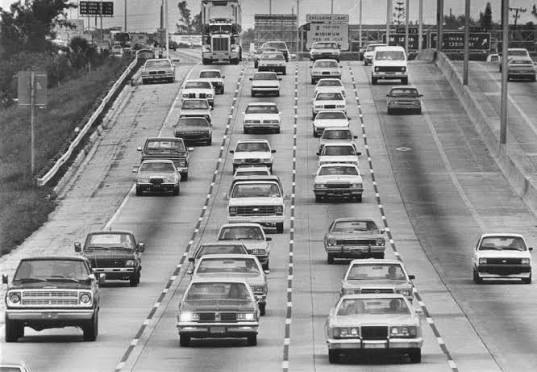
Heading North From Florida? Ship the Car, Skip the I-95 Grind
Every spring and early summer, thousands of people leave Florida and head north. Some are snowbirds returning home after the winter, while others are relocating for work, military assignments, college, or family reasons. No matter the reason, one question always comes up: Should I drive my car or have it shipped?
At first, driving may seem like the cheaper option. After all, you already own the car, and the interstate is right there. But once you factor in fuel, hotels, meals, vehicle wear, traffic, and several long days behind the wheel, shipping often becomes the smarter choice.
Many customers compare Navi Auto Transport when planning their move north because professional vehicle shipping allows them to travel comfortably while avoiding one of the busiest highway corridors in the country.
This guide explains why more travelers are choosing auto transport instead of tackling the long drive on Interstate 95 and what you should know before booking in 2026.
The Reality of Driving I-95
Interstate 95 is one of the busiest highways in America.
The route from Florida to the Northeast passes through multiple major metropolitan areas, including:
Jacksonville
Savannah
Charleston
Richmond
Washington, D.C.
Baltimore
Philadelphia
New York
Even under ideal conditions, the drive can take well over 18 hours without extended stops.
For most people, the trip requires at least two or three days on the road.
The Hidden Cost of Driving
Many people only calculate fuel when comparing costs.
However, a long-distance road trip also includes:
Gasoline
Hotel stays
Meals
Tolls
Parking
Vehicle depreciation
Tire wear
Oil changes
Unexpected repairs
When all expenses are added together, driving may cost far more than expected.
Time Has Value
Beyond financial costs, consider your time.
A multi-day drive often requires:
Vacation days
Time away from work
Additional childcare planning
Pet accommodations
Travel fatigue
Shipping your vehicle allows you to fly to your destination and arrive rested instead of exhausted from days on the highway.
Why This Route Is So Busy
Florida-to-Northeast transport is one of the busiest shipping corridors in the United States.
Demand comes from:
Snowbirds
Families relocating
Military households
College students
Seasonal residents
Online vehicle buyers
Because carriers frequently travel this route, scheduling is generally straightforward—especially when booked in advance.
Average Shipping Costs
Although every shipment is different, typical planning estimates for 2026 include:
Standard sedan (open transport): $900–$1,300
SUV or pickup: $1,100–$1,500
Enclosed transport: 30%–60% higher than open transport
Pricing depends on:
Pickup location
Delivery city
Vehicle size
Current market demand
Seasonal timing
Typical Transit Times
Florida-to-Northeast deliveries generally require:
3–5 days in transit
Pickup scheduling usually takes:
1–5 additional days, depending on carrier availability.
Spring demand may slightly extend pickup windows.
Open vs. Enclosed Transport
Most customers select open transport.
Open Transport
Ideal for:
Family vehicles
Daily drivers
SUVs
Pickup trucks
Open carriers provide the most economical shipping solution.
Enclosed Transport
Recommended for:
Luxury vehicles
Classic cars
Collector automobiles
Exotic sports cars
Enclosed trailers offer additional protection but come at a higher price.
Spring Is the Busiest Time
One reason many people choose shipping over driving is the seasonal traffic.
Spring brings:
Heavy snowbird migration
Increased vacation travel
Road construction
Higher carrier demand
Booking several weeks ahead helps secure better pricing and preferred pickup dates.
Preparing Your Vehicle
Before pickup:
Wash the vehicle.
Photograph every side.
Document existing scratches and dents.
Remove personal belongings.
Leave approximately one-quarter tank of fuel.
Remove toll transponders.
Check tire pressure.
Ensure the battery is charged.
Notify the carrier about any mechanical issues.
Preparation speeds inspections and makes delivery easier.
What If You’re Moving?
Vehicle shipping is especially convenient during full household relocations.
Instead of coordinating:
Rental trucks
Family vehicles
Multiple drivers
you can focus on:
Flights
Household goods
Housing
School enrollment
Work responsibilities
One less road trip can simplify an already busy move.
Common Mistakes to Avoid
Many travelers underestimate:
Fuel costs.
Hotel expenses.
Fatigue.
Vehicle wear.
Spring traffic.
Pickup demand during peak season.
Planning early allows you to compare options instead of making rushed decisions.
Tips for Saving Money
If you want the best value:
Book two to four weeks in advance.
Choose open transport.
Stay flexible with pickup dates.
Meet the carrier at an accessible location if needed.
Avoid waiting until the busiest weeks of spring.
Small scheduling adjustments can often lower your total shipping cost.
Is Shipping Better Than Driving?
For many people, the answer is yes.
Shipping becomes particularly attractive when:
You’re moving with children.
You’re relocating for work.
You have multiple vehicles.
You’re flying to your destination.
You want to reduce mileage on your car.
You simply don’t want to spend days driving Interstate 95.
The convenience often outweighs the perceived savings of driving yourself.
Final Thoughts
Driving from Florida to the Northeast may seem straightforward, but the realities of Interstate 95—traffic, tolls, fatigue, fuel costs, hotels, and vehicle wear—quickly add up. For many travelers, professional auto transport offers a simpler, safer, and often more cost-effective alternative.
By booking early, preparing your vehicle properly, and choosing a trusted transport provider, you can skip the long highway drive and arrive at your destination refreshed while your vehicle makes the journey safely. Whether you’re returning home after the winter or relocating permanently, shipping your car can make the entire move considerably easier.