Still Squeaking After You Screwed the Subfloor Down? Here’s What’s Actually Wrong
Screws driven, floor should be solid , and the squeak is still there, in the exact same spot. It’s one of the more frustrating moments in a home repair, because screwing down the subfloor is supposed to be the fix. When it isn’t, the instinct is usually to add more screws and hope. Before doing that again, it helps to understand why the first round didn’t work.
Why Screwing It Down Doesn’t Always Stop a Squeak
The common misunderstanding here is that a squeak is caused by a loose screw. It isn’t. A squeak is caused by two surfaces rubbing against each other , subfloor against joist, or one board edge against another. A screw only fixes that if it actually closes the gap or stops the movement causing the friction. A screw that’s fully driven and feels tight can still leave that friction untouched if it never solved the actual problem underneath.
The Real Reasons It’s Still Squeaking
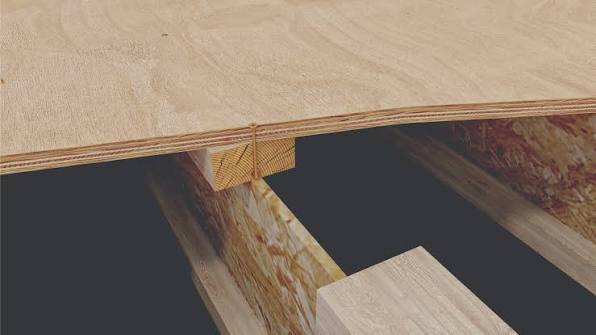
The screw missed the joist. This is the most common cause. A screw driven into open space between joists, or just barely catching the edge of one, can still feel snug going in without ever pulling anything together. It looks like a fix from above, but nothing structural actually happened.
The gap was already too wide to close. Over time, a subfloor can separate from the joist below it more than a single screw can pull back together. The screw tightens what it can reach, but a persistent gap on either side keeps rubbing and squeaking regardless.
The joist itself is moving. Sometimes the subfloor connection was never the problem , the joist below is shifting or rotating slightly under weight, and no amount of fastening into a moving joist will stop the noise.
The noise isn’t coming from the subfloor at all. A squeak that seems to come from the floor can actually originate from a wall plate, a piece of bridging between joists, or a nail elsewhere in the structure. Fastening the subfloor in that case addresses the wrong layer entirely.
How to Actually Confirm Which One You’re Dealing With
Before driving in more screws, it’s worth a few minutes of diagnosis. If there’s access from below , a basement or crawlspace , have someone walk the squeaky spot from above while you watch the joist and subfloor connection from underneath; movement will usually be visible. If access from below isn’t possible, probing near an existing fastener can confirm whether it actually caught the joist or missed it. Testing near baseboards and wall plates helps rule out whether the sound is coming from the floor at all. This step is what actually saves time, rather than repeating the same fastening attempt in the same spot.
Fixing It Once You Know the Real Cause
Once the actual cause is clear, the fix usually follows directly from it. A missed joist just needs a properly located screw, or an angled pair, driven into the joist’s actual center rather than its edge. A persistent gap often needs a shim or appropriate adhesive alongside the fastener, since the screw alone can only pull surfaces together, not fill space that’s already open. Movement at the joist level may call for blocking or bridging rather than more fasteners in the same subfloor spot.
Fastener choice matters here too. A flooring screw gun with proper depth control makes it easier to seat subfloor screws consistently once the actual joist location is confirmed, rather than guessing at pressure and depth by hand. For larger subfloor jobs , a full room or an entire level before flooring goes down , some installers reach for a collated system similar to an automatic feed drywall screw gun, adapted for subfloor-rated screws, to move through dozens of fasteners quickly and consistently rather than driving each one individually.
FAQ
Why does my floor still squeak even though the screw feels tight? A tight-feeling screw can still have missed the joist, or the gap it’s trying to close may already be wider than a single fastener can pull shut.
How do I know if I missed the joist? Probing near the existing screw, or checking from below if there’s access, is the most reliable way to confirm whether it actually caught the joist center.
Can I fix a squeaky subfloor without removing the flooring above it? Often yes, especially with access from below. Without that access, some fixes may require working through the finished floor in the affected spot.
Is the squeak always coming from the subfloor? No. Wall plates and bridging can produce a sound that seems to come from the floor, so it’s worth ruling those out before assuming the subfloor is the source.
The Bottom Line
More screws in the same spot won’t fix a squeak caused by a missed joist, a gap that’s already too wide, or a noise coming from somewhere other than the subfloor. Diagnosing the actual cause first , then fastening properly once you know what you’re dealing with , is what actually gets the floor quiet for good.