Why Chef’s Specials Often Beat the Menu Favorites
Ever notice that whatever your server recommends ends up tasting better than half the printed menu? It’s not just salesmanship. Specials exist for real culinary and operational reasons — reasons that give them a structural edge over the standards. Knowing what’s behind those rotating dishes can genuinely change how you order.
The Freshness Factor
Specials respond to what’s available today, not what a menu committee locked in six weeks ago. A chef who spots exceptional fish at the market that morning can build something around it by dinner. That fish beats a frozen protein on the standing menu almost every time. The kitchen isn’t working around storage limitations — it’s working with peak-condition product. Restaurants like Fog Harbor recognize that guests can taste the gap between yesterday’s catch and today’s. That gap matters. Freshness alone explains why specials so often outperform comparable permanent dishes, even when the technique is identical.
Lower Food Costs and Better Margins
Specials are also a smart inventory move. When a supplier drops off a surplus of something good, the chef features it — often at a price point that makes sense for both sides. The restaurant moves product before it turns. The guest gets quality ingredients at a fair price. Menu staples don’t have that flexibility; their pricing is tied to predictable, contracted costs. The special model creates room to use premium product without passing a premium price to the table. That economic wiggle room is why specials frequently feel like better value than similarly priced menu items.
Creative Expression and Menu Testing
Chefs treat the specials board like a sketchbook. Instead of committing an untested idea straight to print, they run it as a special first — watching how guests react, adjusting as they go. That process produces more refined, considered dishes than anything pushed through a formal menu revision cycle. When a special consistently lands well, it might eventually earn a permanent spot. Until then, ordering it means you’re tasting the chef’s current thinking. Menu favorites are dependable, sure. But dependable sometimes slides into stale, especially when a dish hasn’t changed in two years.
Skill and Attention
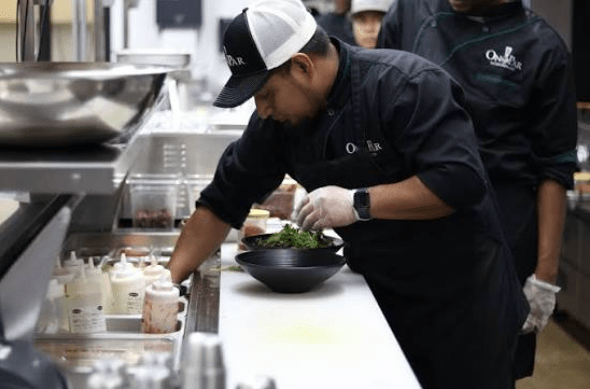
Fewer dishes means more focus. Running five or six specials demands a different kind of attention than cranking out the fortieth version of the same popular entrée. Cooks can slow down — check the seasoning, nail the plating, bring real finesse to something the executive chef actually cares about. Among the best restaurants in San Francisco, chefs lean on the specials board to display seasonal range and prove what the kitchen can really do. Standard menu items get executed competently. Specials get executed with intent. That distinction shows up on your plate — in the presentation, the balance, the detail work that separates good from memorable.
Building Guest Relationships and Feedback
Specials give servers something real to talk about. Rather than reciting descriptions off a laminated card, they’re relaying actual guidance from the chef — specific context, genuine enthusiasm. That makes for a better conversation and, often, better service overall. There’s also a feedback loop at work. Servers bring customer reactions back to the kitchen. The chef adjusts. Future specials improve. Menu standards don’t generate that kind of live dialogue between guest and kitchen. They’re set. Specials are still evolving, and that evolution tends to show.
Conclusion
Specials win because they stack advantages — fresher sourcing, smarter economics, creative energy, and sharper kitchen focus. The rotating format lets restaurants chase the best available product and trial new ideas without the rigidity of a fixed menu holding them back. So next time your server starts talking about what’s on the board tonight, listen. The printed menu is reliable. But the specials board? That’s where the kitchen is actually showing off — freshest ingredients, latest thinking, most honest cooking. It’s usually worth the detour.