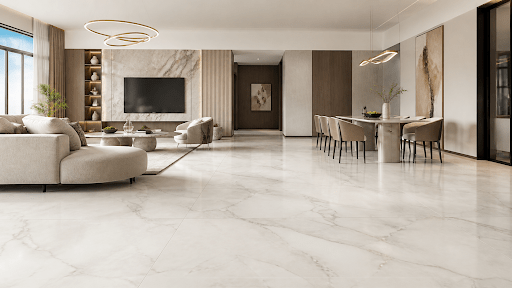
How Tiles Are Shaping Modern Interiors and Architecture
Tiles are no longer seen as materials meant only for kitchens and bathrooms. In modern homes, they are being used more widely across floors, walls, balconies, bathrooms, living spaces, and semi-outdoor areas. What has changed is not just the design of tiles, but also the way architects, interior designers, and homeowners think about surfaces.
Today, tiles are expected to do more than protect a wall or finish a floor. They are expected to shape the look of a space, improve durability, support easier maintenance, and help interiors feel more complete. That is why tiles have become an important part of modern design rather than just a finishing material.
Why Tiles Matter More in Modern Design
Modern interiors depend heavily on surfaces. Open layouts, simple palettes, natural light, and clean lines make flooring and wall finishes much more noticeable than before. In such spaces, tiles are not background elements. They help define the visual character of the room.
A tile can make a space feel warmer, brighter, softer, more textured, or more spacious. Large-format tiles can create a seamless look. Stone-look finishes can make a room feel grounded. Wood-look tiles can add warmth. Patterned tiles can bring personality in a controlled way. This flexibility is one of the main reasons tiles are now central to modern interiors.
How Tile Design Has Evolved
Tile design has changed significantly over the years. Earlier, tiles were chosen mainly for practical reasons. They were easy to clean, moisture-resistant, and dependable in wet areas. Their purpose was mostly functional.
Now, tiles have a much wider role. Better manufacturing, improved printing technology, and a wider range of finishes have made them more design-led. They are available in larger sizes, more realistic textures, sharper patterns, and more refined colours. Because of this, they are now used in places where older tile designs would have looked too basic or too harsh.
This shift has made tiles suitable not only for kitchens and bathrooms, but also for living rooms, passageways, balconies, bedrooms, feature walls, and premium bathrooms.
Why Vitrified Tiles Are Popular in Modern Homes
Vitrified tiles remain one of the most practical choices for modern homes because they offer a strong balance of durability, finish, and versatility. They work especially well in homes that want a clean and modern base without taking on the maintenance demands of natural materials.
One of their biggest advantages is adaptability. Vitrified tiles are available in finishes that resemble marble, stone, concrete, and other architectural surfaces. This allows homeowners to create a premium look while keeping the surface easy to maintain.
They also perform well in spaces with regular foot traffic. In living rooms, dining areas, and common spaces, vitrified tiles help create a polished and long-lasting foundation that works with many design styles.
Why Surface Texture Is Important
When people choose tiles, they often look first at colour or pattern. But texture is just as important. It changes the way a tile interacts with light, furniture, and the mood of the room.
Glossy tiles reflect more light and can make a room feel brighter, but they do not always create the most natural look. Matte and soft-textured finishes usually feel calmer and more architectural. They also suit interiors that aim for subtlety instead of shine.
Texture matters for practical reasons too. In bathrooms, balconies, and semi-outdoor spaces, slip resistance is important. In living areas, a softer texture can make a large tiled surface feel more balanced and less flat.
How Stone-Look Tiles Support Modern Architecture
Stone-look tiles have become an important part of contemporary interiors because they offer visual depth without making a space feel heavy. They bring the character of natural stone while remaining easier to maintain and more consistent in finish.
These tiles work especially well in areas that need a grounded and long-lasting appearance. Living rooms, foyers, corridors, and open-plan spaces often benefit from stone-inspired surfaces because they create a strong but quiet base. They also pair well with wood, metal, glass, and neutral fabrics, which makes them highly versatile.
In architecture-led interiors, this kind of tile is useful because it supports the design rather than competing with it.
Where Wood-Look Tiles Fit Best
Wood-look tiles show how far tile design has evolved. They offer the visual warmth of wood while giving homeowners the durability and easy care of tiles. This makes them useful in homes where natural wood may not be practical in every area.
They are often used in bedrooms, family lounges, and transition spaces where people want a softer and more welcoming feel. The best wood-look tile installations usually avoid overly artificial grains or highly glossy finishes. Instead, they use natural plank proportions, balanced tones, and matte or low-sheen surfaces.
The result is a floor that feels warm and inviting without becoming delicate or difficult to maintain.
Why Porcelain Tiles Work Well in Utility and Wet Areas
Porcelain tiles continue to be a preferred choice in spaces where performance matters as much as appearance. Bathrooms, dressing areas, wash zones, and other semi-wet spaces often need materials that can handle moisture, frequent cleaning, and daily use without losing their finish.
That is where porcelain performs well. It provides a dense and dependable surface while still allowing refined design options. Instead of treating these rooms as purely functional, homeowners now want them to feel finished and connected to the rest of the house. Porcelain tiles make that easier.
In modern homes, these tiles are often chosen in muted tones and stone-inspired finishes so that bathrooms and utility spaces feel clean, calm, and well-designed.
How Patterned and Decorative Tiles Are Being Used Today
Decorative tiles still have an important place in modern homes, but they are now used more selectively. Instead of covering large areas in strong patterns, designers usually place them in focused zones. This creates impact without making the space feel busy.
Patterned tiles are often used in powder bathrooms, balconies, niche corners, utility spaces, or as accent insets inside simpler layouts. The same applies to terrazzo-style surfaces and handcrafted-looking designs. They work best when paired with quieter surrounding materials.
This reflects a broader design shift. Modern interiors are not avoiding personality. They are simply placing it more carefully.
Why Tile Coordination Matters Across the Home
One of the clearest signs of a well-designed home is material continuity. This does not mean every room needs the same tile. It means the materials should feel related. Colour temperature, finish, scale, and texture should move from one space to another without feeling disconnected.
For example, a home may use a warm neutral vitrified tile in common areas, a textured stone-look tile in the balcony, a soft porcelain tile in the bathroom, and a more decorative tile in a small accent zone. These can all work together if the palette and material logic remain consistent.
This kind of coordination makes a home feel more intentional and more durable from a design point of view.
What Modern Homeowners Should Look for in Tiles
Choosing tiles today is not only about selecting a beautiful design. It is also about understanding how that tile will work in real spaces over time. A good tile should suit the room, respond to light, match the maintenance needs of the household, and support the overall design direction of the home.
Before choosing a tile, it helps to think about where it will be used, how much wear it will receive, whether the space needs more grip, how much natural light enters the room, and whether the area needs warmth, softness, brightness, or texture.
These questions usually lead to better decisions than trend-based choices alone.
Why Tiles Will Continue to Shape Future Interiors
Tiles will likely play an even bigger role in future interior and architectural design because they continue to improve in both appearance and performance. As homes become more detail-conscious and more surface-oriented, materials that can balance style, practicality, and durability will remain in demand.
That is where tiles stand out. They are no longer limited to conventional applications. They are being used to create continuity, define identity, improve maintenance, and give homes a stronger design foundation.
In modern architecture, surfaces are no longer secondary. They are part of the design language itself. Tiles, when chosen well, help shape that language in a way that is functional, flexible, and built to last.