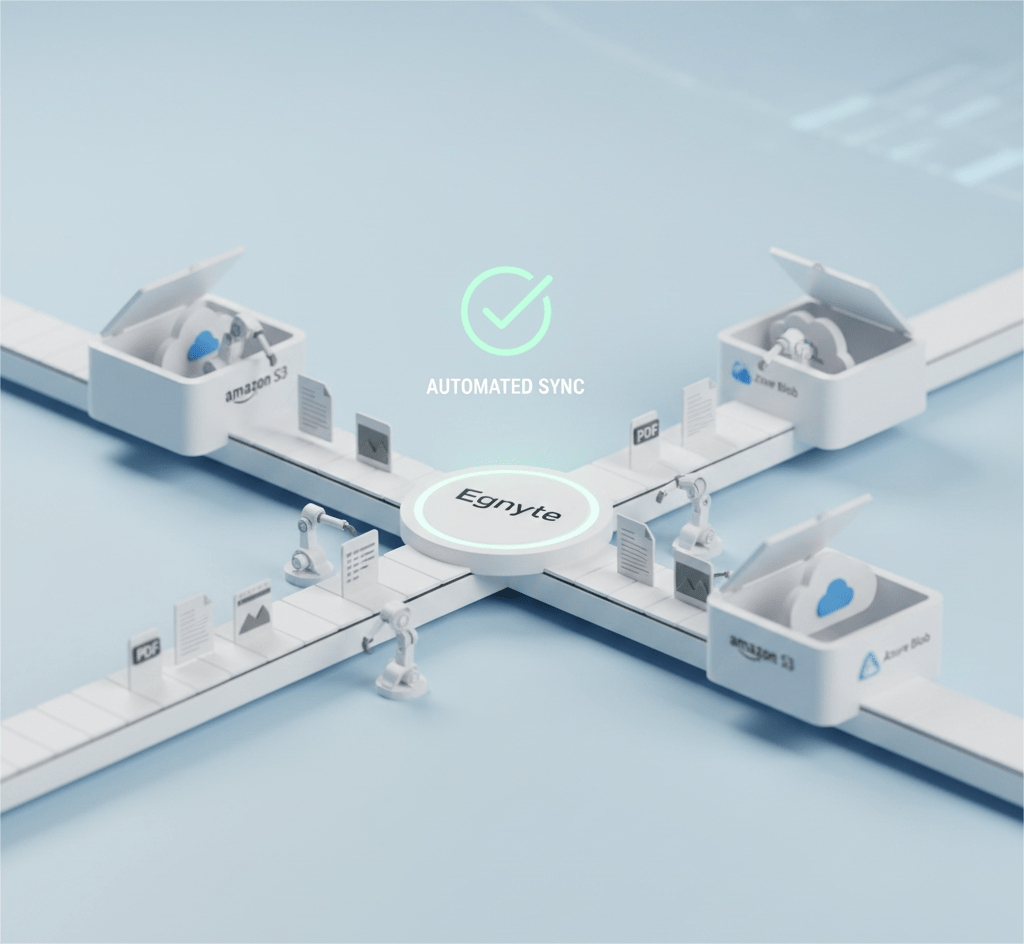
Why Egnyte Cloud Backup Is Critical for Secure Business Data Management
Cloud collaboration platforms have become the backbone of modern businesses, enabling employees to access files, collaborate on projects, and work from virtually anywhere. Among these platforms, Egnyte is widely recognized for its secure file sharing, content governance, and enterprise collaboration capabilities. While storing business data in the cloud improves accessibility, it does not eliminate the need for a dedicated backup strategy.
Organizations often assume that cloud storage alone provides complete protection against data loss. However, accidental deletion, ransomware attacks, synchronization errors, insider mistakes, and compliance requirements can still put valuable business information at risk. This is why implementing an effective Egnyte cloud backup solution is becoming an essential part of enterprise data protection.
Why Businesses Need Egnyte Cloud Backup
Every organization relies on digital files to support daily operations. Contracts, financial documents, customer records, project files, and intellectual property represent valuable business assets that require reliable protection.
An Egnyte cloud backup solution creates recoverable copies of business data, allowing organizations to restore information quickly when unexpected incidents occur. Instead of depending solely on the live production environment, businesses gain an additional layer of security that supports both operational continuity and long-term data retention.
For companies operating in highly regulated industries, backup solutions also help satisfy internal governance policies and compliance requirements.
The Importance of Backing Up Egnyte
Many organizations focus on preventing cyber threats but overlook the risks associated with everyday human error. Accidentally deleting shared folders, overwriting files, or making unintended changes can affect business operations just as significantly as external attacks.
Regularly backing up Egnyte ensures that previous versions of files remain available for recovery when needed. Automated backup schedules further reduce administrative effort while minimizing the risk of missing important data changes.
A proactive backup strategy helps businesses:
- Recover deleted or overwritten files
- Preserve historical versions of documents
- Reduce downtime after unexpected incidents
- Support disaster recovery planning
- Strengthen business continuity
These benefits make backup an important component of any cloud data management strategy.
What to Look for in a Cloud Backup Solution
Choosing the right cloud backup for Egnyte data involves more than simply copying files to another location. Businesses should evaluate solutions based on automation, scalability, security, and recovery capabilities.
Key features include:
- Automated backup scheduling
- Incremental backups to reduce storage usage
- Version history and point-in-time recovery
- Encryption during transfer and storage
- Centralized management and monitoring
- Flexible retention policies
- Fast restoration of files and folders
A solution with these capabilities helps organizations protect growing volumes of data while reducing administrative complexity.
Cloud-to-Cloud Backup Advantages
As companies increasingly rely on Software-as-a-Service (SaaS) applications, cloud-to-cloud backup has become a preferred approach for protecting business information.
Instead of downloading files to local servers, cloud-to-cloud backup securely transfers and stores data between cloud environments. This approach improves efficiency while reducing dependence on physical infrastructure.
Additional advantages include:
- Simplified deployment
- Automated data protection
- Improved scalability
- Reduced hardware costs
- Better support for remote and hybrid workforces
Cloud-to-cloud backup also makes it easier to recover data quickly without interrupting business operations.
Protecting Multiple Business Platforms
Many organizations use more than one cloud platform to manage business information. Engineering firms, construction companies, and enterprise organizations often combine document management systems with project collaboration tools.
For example, businesses using Autodesk Construction Cloud frequently implement an ACC backup strategy alongside their file management platforms to ensure comprehensive protection across multiple business-critical applications.
Managing backups from a centralized solution helps simplify administration while reducing the risk of inconsistent data protection policies across departments.
Choosing the Right Backup Partner
Selecting a backup provider should involve more than comparing storage capacity or pricing. Businesses should prioritize automation, security, recovery flexibility, and long-term reliability.
Organizations looking to strengthen their cloud data protection often evaluate providers such as Cloudsfer, which offers secure cloud backup and migration solutions for business applications, including Egnyte. By automating backup workflows and supporting cloud-to-cloud data protection, organizations can improve resilience while reducing the burden on internal IT teams.
Conclusion
Cloud collaboration has transformed the way businesses store and share information, but accessibility should never replace a comprehensive data protection strategy. Implementing an effective Egnyte cloud backup solution helps organizations reduce the risk of data loss, improve disaster recovery, and maintain business continuity.
Whether your organization is backing up Egnyte, deploying a dedicated cloud backup for Egnyte data solution, or expanding protection with an ACC backup strategy, investing in reliable backup technology provides long-term security for your most valuable digital assets. As businesses continue to embrace cloud-first operations, proactive backup planning remains one of the smartest investments for protecting critical information.