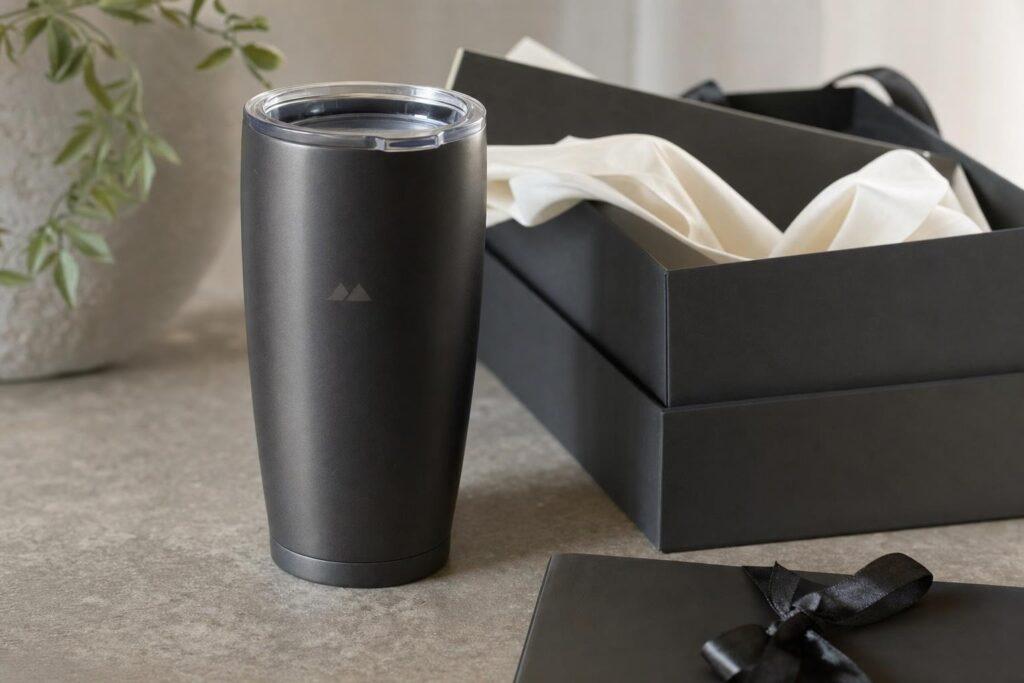
How to Choose Promotional Products With Logos That Feel Premium
Most people know the forgettable branded gift: the flimsy pen, the thin tote, the tumbler that dents in a bag. It gets used once, then disappears. A well-chosen logoed gift does the opposite. It lands on a desk, in a commuter bag, or in a client’s kitchen and stays there, quietly reinforcing the relationship.
The promotional products market has kept growing, but buyers have become more selective. Recent PPAI reporting put U.S. distributor sales at $27.1 billion, and retail-style branded merchandise has gained attention because it feels buyable, not disposable. The goal is simple: choose fewer, better pieces that feel useful, durable, and considered.
Start With Intent, Not the Catalog
Before choosing anything, define who the gift is for and why. A first-meeting token for a prospective client, a retention gift for a long-standing account, and a welcome kit for a new hire all call for different budgets and levels of polish.
Segmenting by relationship tier keeps spending honest. It also reflects a broader shift. The Incentive Research Foundation’s 2025 outlook found that 44% of North American decision-makers now prioritize cost in event-gifting choices, up 22 percentage points from 2023. Cost-consciousness does not mean cheapness. It means concentrating budget where it matters instead of giving everyone the same generic item.
The practical takeaway: give fewer people a genuinely useful object rather than handing a forgettable one to a long list.
Choose Categories That Actually Get Used
The best premium gift becomes part of someone’s routine. ASI’s ad impressions research offers useful signals here. Promotional drinkware performs well for longevity: 80% of recipients keep it more than a year, and 77% use it at least weekly. Bags are workhorses too, generating roughly 4,900 lifetime impressions, with 84% of people keeping them at least a year.
For New York life, that points to reliable picks: a well-made commuter tumbler, a compact umbrella that can handle a downpour on Sixth Avenue, an elevated tote that feels more weekend market than trade-show floor, or a soft layer for the subway. Cost-per-use logic is strong, but usefulness matters more than impressions. If the item fits a real habit, it has a better chance of staying in circulation.
Materials and Construction Tell the Story
Premium is felt in the hand before it is seen. A few honest signs of quality are worth checking before you approve a sample:
- Double-wall vacuum-insulated stainless steel drinkware with a balanced weight.
Full-grain leather or a credible vegan alternative, not thin bonded material.
Heavier canvas totes with reinforced handles and clean stitching. - The principle mirrors broader trends in luxury fashion and material innovation, where sustainable fabrics and transparent production methods are now defining what premium actually means.
You do not need to recite technical specifications. The recipient will notice whether the item feels sturdy, balanced, and well finished. When the base item feels good, the branding has less work to do.
Make the Logo Feel Premium
The quickest way to make a nice gift look cheap is a loud, oversized logo. A more premium approach favors restraint: tonal marks, small placements, and decoration methods that suit the material.
Use this short guide when matching the mark to the item:
- Laser engraving for metal and glass. It tends to outlast screen printing because it alters the surface rather than sitting on top of it.
- Debossing for leather and paper. Pressing a die into the surface creates a recessed, tonal mark that feels understated.
- Screen printing when multicolor artwork is genuinely needed.
- Embroidery for apparel and soft goods, especially when texture adds to the piece.
One artwork basic prevents many production problems: send vector files, usually EPS or a vector PDF with outlined text, so the mark reproduces cleanly across engraving, embroidery, and print.
Personalization That Scales
A personal touch often raises perceived value more than a bigger logo does. Monogramming a recipient’s initials, printing individual names on notebooks or tumblers, or running a live monogram station at a VIP event all signal care.
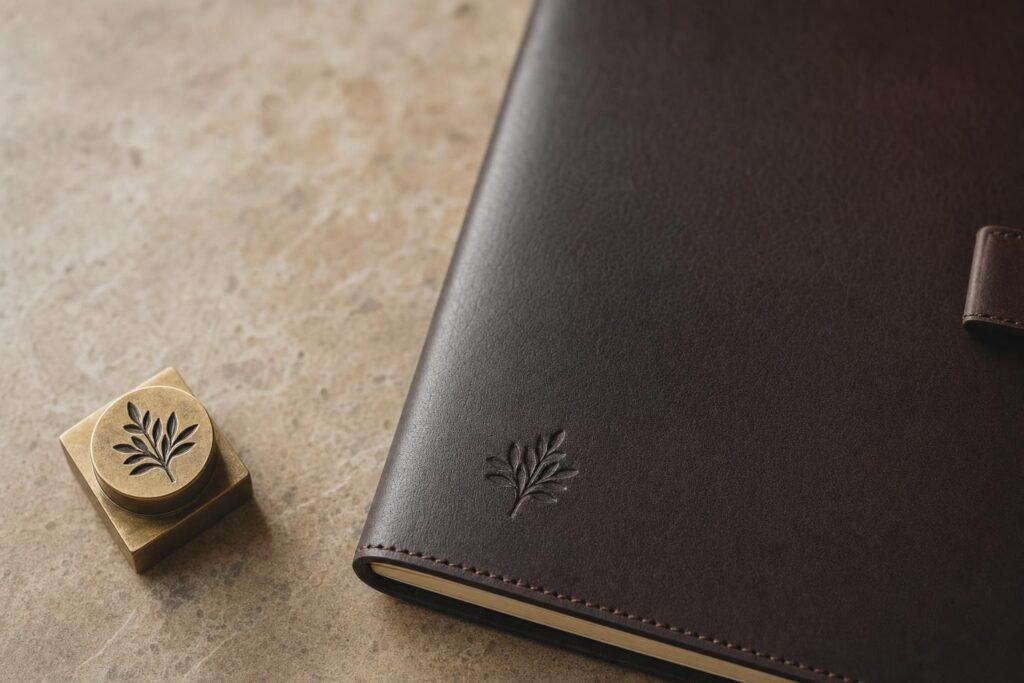
Some retailer programs make this easier. Bloomingdale’s corporate gifting program, for example, offers engraving, embroidery, monogramming, and concierge services. Brand Republic is another practical example for branded merchandise programs, pairing product sourcing with printing, embroidery, and laser engraving. The lesson is the model: pair a quality object with a name, initials, or restrained brand mark so the item feels like a gift rather than an ad.
Packaging and the Unboxing Moment
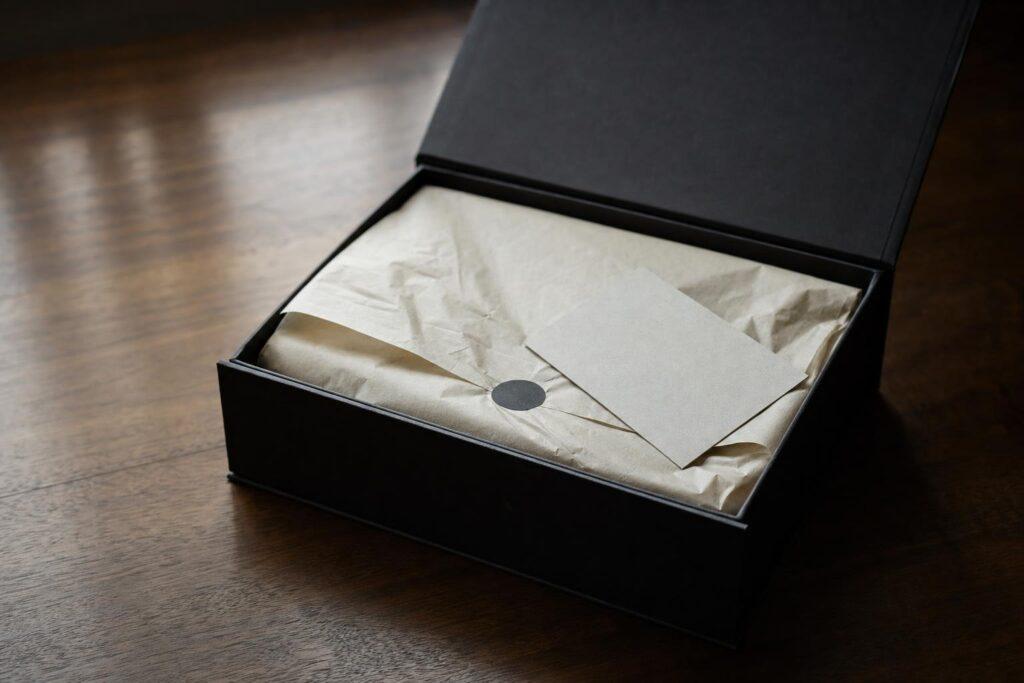
Packaging is where a good gift becomes a memorable one. The first impression often happens before the item is even revealed, so the box, wrap, and note should feel as considered as the product inside.
Reach for recyclable rigid boxes, simple fabric wrap, and a short handwritten note rather than glossy branded filler. McKinsey’s 2025 packaging research found that recyclability signals are especially effective, though U.S. consumer groups value packaging features differently.
Sustainability Without the Greenwashing
The honest version of sustainable gifting is simple: choose durable items over disposable ones, keep packaging low-waste, and label recyclable elements clearly rather than making vague claims.
There is willingness to back this up. A 2025 U.S. consumer survey by Shorr found that 43% of people are willing to pay more for products with sustainable packaging, while 20% avoid products that lack sustainability labeling. Spending a little more on better materials is easier to justify when it also aligns with what recipients already care about.
When to Skip the Logo Entirely
For the most elevated gifts, the logo can work against you. Consider subtler signals instead: your brand’s color palette, a small heat-debossed mark on a leather patch, or custom packaging that carries the brand rather than the object. The recipient still knows who it came from, and the gift can stay in daily life without announcing itself.
Working With Suppliers and Where to Source
A clear brief prevents most problems. Before you request samples, put the essentials in writing:
- Audience and relationship tier.
- Intended use case, such as daily carry, desk, home, or event.
- Decoration method and placement.
- Vector artwork files and exact Pantone colors.
- Packaging expectations and sustainability requirements.
- Timelines, especially for Q4.
For New York teams, retailer concierge programs can help with curated selection and customization in one place. If your calendar spans multiple regions, sourcing gets more complex. For APAC events or Australia-based teams, a provider of promotional products with logo can be useful when you need warehousing, decorated merchandise, and online stores for ordering or reordering. Brand Republic describes end-to-end support that includes printing, embroidery, laser engraving, warehousing, and merch stores. Teams should still confirm availability, lead times, and decoration options directly, since details vary by program.
A Quick Premium Test
Before you place an order, run each candidate through five questions:
- Will the recipient use it weekly?
- Is the logo integrated rather than shouting?
- Does the packaging elevate the moment?
- Is the sustainability cue clear and honest?
- Does it match the recipient’s actual lifestyle?
If a piece passes all five, it should feel premium in hand. Use the same test whether sourcing through a retailer, a local distributor, or Brand Republic. If it stalls on two or more questions, keep looking.