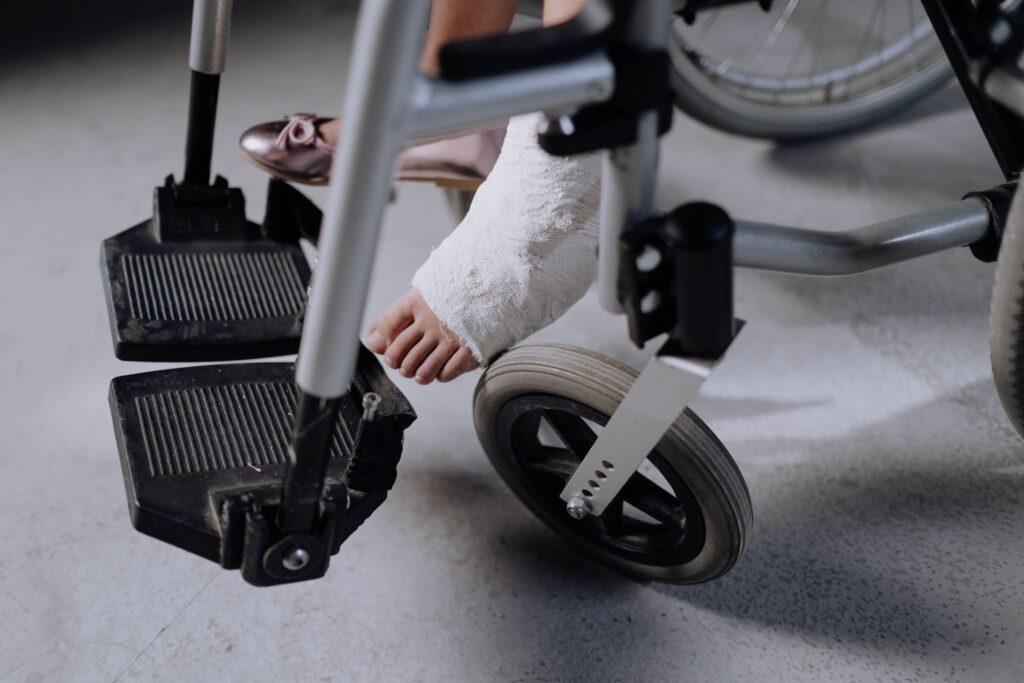
The Long-Term Physical Effects of Untreated Accident Injuries
Some accident injuries create problems that are easy to recognize, while others develop quietly until they begin interfering with everyday movement, work, and physical comfort. Grigor Law Injury & Car Accident Lawyers recognizes that people are often unaware of hidden trauma in the early stages after an accident, making prompt medical attention and careful documentation important for both their recovery and any future legal claim. A delay in diagnosis can allow underlying conditions to progress without obvious warning, leaving injured individuals facing longer rehabilitation, greater physical limitations, and more complicated questions about when their symptoms first appeared.
In New York, where collisions, slip and falls, workplace incidents, and pedestrian accidents occur in busy urban and suburban environments every day, waiting to seek care can also make it more difficult to establish a clear connection between the accident and later medical complications. Understanding how the body responds over time, why untreated injuries may continue to worsen, and how medical evidence supports both recovery and legal claims gives accident victims a stronger foundation for making informed decisions during an already challenging period before symptoms become far more difficult to address.
Hidden Damage
Some injuries stay masked at first, even while inflammation spreads and movement starts to change. Medical records, imaging, and treatment timelines often help explain that process, and trusted law firms may use that evidence when untreated trauma develops into reduced mobility, persistent pain, or longer healing periods.
Pain That Settles In
Lingering pain rarely stays in one spot. A person may shift weight off one leg, brace the neck, or protect a tender shoulder without noticing. Those changes place extra load on healthy structures. Before long, the back, hips, or knees may begin to ache as well. What started as one untreated injury can mature into a wider pattern of chronic discomfort.
Joint Problems
Sprains, cartilage injuries, and partial ligament tears can leave a joint unstable long after the first swelling fades. That looseness changes how surfaces meet during walking or lifting. Friction rises. Stiffness often follows. Knees may catch, ankles may give way, and shoulders can slip under routine strain. Once wear begins, later treatment may calm symptoms, yet full mechanical function can be difficult to restore.
Muscle Loss And Weakness
Pain often leads to guarded movement, and guarded movement reduces healthy muscle use. Strength then declines around the injured area. Support structures become less reliable. A painful lower back, for example, may weaken the abdominal wall and alter balance. Daily tasks start to feel heavier. Carrying groceries, climbing stairs, or standing through a shift can become exhausting because the body no longer shares load efficiently.
Nerve Compression
Swollen tissue can crowd nearby nerves for weeks or months. That pressure may cause numbness, burning, tingling, or sharp pain that travels into an arm or leg. Grip strength can fade after a neck injury. Walking tolerance may shorten after lumbar irritation. Nerve tissue does not always recover quickly. When compression persists, sensation and motor control may take much longer to return.
Spinal Alignment Changes
Neck and back trauma often changes posture in quiet, gradual ways. Someone may lean forward, rotate slightly, or keep trunk muscles tight to avoid pain. Those habits increase disc pressure and alter spinal loading. Headaches, reduced flexibility, and persistent stiffness can follow. Because the spine functions as one linked system, a problem in one segment may disturb mechanics far beyond the original site.
Scar Tissue Limits
Soft tissue does not always heal in a smooth, flexible pattern without guidance. Muscles, tendons, and fascia can develop dense bands that restrict normal glide. Range of motion narrows. Reaching, bending, or turning may create a pulling sensation rather than free movement. Over time, the body adapts to those restrictions. Once that adaptation sets in, restoring natural motion may require longer rehabilitation.
Poor Sleep, Slower Healing
Ongoing pain often interrupts deep sleep, which is when much of the body’s repair work takes place. Recovery then slows. Inflammation may stay elevated, while pain tolerance falls. Fatigue also affects coordination and balance. That combination can raise the chance of another injury. When rest becomes fragmented for weeks, the body loses a key part of the healing process it relies on every night.
Daily Function Declines
Untreated trauma can limit routine activity long before a formal disability gets recognized. Sitting through a meeting may hurt. Driving can strain the neck or low back. Lifting a child may trigger weakness or sudden pain. As movement becomes harder, exercise habits often shrink. Conditioning then falls, which makes ordinary tasks feel even more demanding and pushes the body further from its prior baseline.
Delayed Care Can Complicate Recovery
Late treatment often means victims must manage several problems simultaneously. The original injury may now include weakness, stiffness, poor mechanics, and strain in nearby areas. That layered picture can lengthen therapy and reduce the chance of full recovery. Earlier evaluation gives clinicians a better chance to control swelling, protect movement, and stop secondary damage before it becomes part of everyday physical function.
Why Early Medical Care Can Protect Your Long-Term Recovery
Untreated accident injuries rarely remain minor or contained. Over time, they can alter posture, compress nerves, weaken muscles, disturb sleep, and wear down joints that were not harmed at first. Those physical changes may shape work, rest, and movement for years. Early assessment matters because the body adapts quickly, and those adaptations are not always helpful. Prompt care often protects long-term function and supports a more complete recovery.