Why Packaging Has Become the Most Overlooked Design Discipline
coffee to go, and you are experiencing design most people never stop to notice. Packaging surrounds nearly every product a person touches, yet it rarely gets the attention given to logos, websites, or store layouts. That oversight is becoming a costly mistake. In a world where customers form opinions within seconds, packaging has quietly become one of the most powerful design tools a business has, and most companies are only beginning to realize it. The businesses that figure this out early are gaining an advantage their competitors have not even noticed yet.
Think about the last time a package genuinely impressed you, or the last time one disappointed you. Chances are, that moment shaped your opinion of the brand more than you realized at the time. A flimsy bag or a confusing box can quietly undercut an otherwise great product, while thoughtful packaging can make an ordinary item feel special. This kind of influence rarely gets discussed in boardrooms, yet it happens every single day, millions of times over, in the hands of ordinary customers.
For decades, packaging was treated as a purely functional problem. A box needed to hold a product, a bag needed to carry food, and a bottle needed to hold liquid without leaking. Design, in the traditional sense, felt reserved for things people looked at longer, like a website or a storefront. But packaging is often the very first physical object a customer holds from a brand, which means it carries more weight than almost any other design decision a company makes, whether businesses realize it or not.
This shift becomes even clearer once you consider how many senses packaging actually engages. A customer feels the weight of a box, hears the sound of a lid clicking shut, and sees the first visual impression of a brand before ever touching the product inside. Few other design disciplines interact with a customer this directly and this immediately. Despite this, packaging teams are often underfunded, packaging decisions get made late in a product’s development, and packaging design rarely receives the same strategic attention as branding or marketing campaigns.
This gap between importance and investment is exactly why packaging represents such a significant opportunity right now. Many companies pour enormous resources into perfecting a website or crafting the ideal social media presence, yet still hand off packaging decisions to whichever supplier offers the fastest turnaround. That mismatch between where customers actually form their impressions and where companies actually invest their design budgets is quietly costing businesses more than most realize.
The businesses beginning to understand this shift are gaining a real advantage. Whether a company sells takeout food, reusable bottles, health test kits, or wholesale ingredients, packaging is becoming one of the clearest ways to build trust, communicate quality, and create a memorable first impression. As more industries recognize this reality, packaging is finally being treated less like an afterthought and more like the strategic design discipline it has always deserved to be.
Packaging as the First Physical Impression of a Brand
Nowhere is packaging’s importance clearer than in industries where a physical product reaches a customer’s hands almost immediately. A takeout bag, a reusable bottle, or a shipped test kit often becomes a customer’s very first tangible experience with a brand, long before they have used the product itself or read a single word of marketing copy.
Jesse Harster, Vice President of Digital Strategy at MrTakeOutBags.com, has spent 14 years helping restaurants understand that packaging is far more than a functional necessity.
“After 14 years in this industry, I can tell you packaging is the one touchpoint every single customer holds in their hands. A great takeout bag or container can make a five dollar meal feel like a five star experience. We have watched restaurants completely change how customers perceive their brand just by upgrading from generic containers to custom designed packaging. Packaging is not an afterthought, it is often the last impression a brand gets to make.”
For some businesses, the line between product and packaging disappears entirely, making every design decision even more consequential. Yusuf Okhai, Managing Director of ION8, leads a hydration brand where the bottle itself functions as both the product and its own packaging.
“People assume packaging design stops at the box, but for us, the product itself is the packaging. Every leakproof lid on an ION8 bottle goes through the same design scrutiny as any premium consumer product. We treat the seal, the flip top, and even the carry handle as design decisions, not just engineering afterthoughts. When packaging and product become the same thing, small design choices suddenly carry enormous weight.”
Packaging Builds Trust in Unexpected Industries
Packaging’s influence extends well beyond food and consumer products into industries where trust matters just as much, if not more. Health technology and wholesale supply businesses both depend heavily on customers feeling confident the moment a product arrives, long before any lab result or purity report gets reviewed.
Max Marchione, Co-Founder and President of Superpower, has learned that the physical unboxing of a health test kit shapes a member’s trust before their health data is even collected.
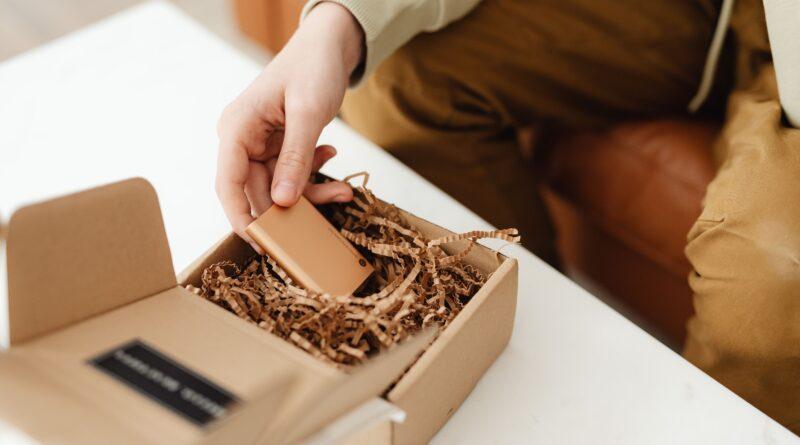
“The first thing a new Superpower member touches is not a doctor, it is the box our test kit arrives in. We designed that unboxing experience deliberately, because trust in health data starts before a single vial is drawn. A cluttered, confusing kit creates doubt, while a clean, guided experience builds confidence from the very first step. In health tech, packaging is not decoration, it is the first moment we earn a member’s trust.”
Even the operational side of packaging deserves more attention than it usually receives, since great design still depends on the right people executing it correctly. Kyle Bolton, Founder of CrewHR, has seen firsthand how staffing and scheduling directly affect how well packaging processes actually run in busy restaurants and retail shops.
“Packaging design gets all the attention, but almost nobody talks about the staff actually assembling every order behind the scenes. At CrewHR, we help restaurants and retail teams build schedules that match their busiest packaging and prep hours accurately. One coffee shop client cut overtime significantly once their staffing finally matched their actual packaging workflow. Beautiful packaging still depends on the right person being scheduled to execute it correctly, every single shift.”
In regulated industries, packaging often carries an even heavier responsibility, serving as one of the only ways customers can judge a product’s quality and safety at a glance. Maximilian V. Misovic, CEO of Pharmabinoid BV, has built his cannabinoid supply business around packaging that communicates transparency as clearly as possible.
“In the cannabinoid industry, packaging is often the only thing standing between a customer and genuine trust. We design every label and container at Pharmabinoid to clearly communicate purity, dosage, and lab testing results at a glance. One private label client saw customer complaints drop noticeably after we redesigned their packaging for clarity alone. Good packaging in this industry is not just branding, it is often the deciding factor in whether a customer trusts the product at all.”
The Real Lesson Behind Overlooked Design
These five stories span food service, hydration, health technology, workforce management, and regulated wholesale supply, yet they all point toward the same conclusion. Packaging is never just a container. It is a brand’s first handshake with a customer, shaping trust, perception, and loyalty before a single word of marketing ever gets read. The businesses treating packaging as a strategic design discipline, rather than a last minute logistical decision, are the ones building stronger, more memorable connections with the people they serve.
As more industries recognize this shift, the companies still treating packaging as an afterthought risk losing ground to competitors who understand its true value. Great packaging does not require an enormous budget or a famous design studio. It requires the same care, attention, and strategic thinking given to any other part of a brand’s identity. The lesson from every expert in this article is the same. In a world full of digital first impressions, packaging remains one of the last truly physical moments a brand has to earn someone’s trust, and that moment deserves far more attention than most companies are currently giving it.
For any business wondering where to invest next, packaging is worth a second look. It touches customers directly, shapes first impressions instantly, and often costs far less to improve than a full rebrand or marketing overhaul. The companies willing to treat packaging as a serious design discipline, rather than a box checked at the end of production, are the ones quietly building the kind of trust and loyalty that no amount of advertising can buy on its own.