How Does Concrete Outdoor Furniture Improve Public Spaces?
Public spaces are essential to the social and cultural fabric of any community. Parks, plazas, campuses, and urban gathering areas all benefit from thoughtful design choices that encourage people to linger, interact, and engage. One of the most impactful yet often overlooked elements in these environments is furniture. Choosing the right materials can make a significant difference in both functionality and longevity. Increasingly, planners and designers are turning to concrete outdoor furniture for public spaces as a reliable and versatile solution that enhances usability, aesthetics, and long-term value.
The Role of Furniture in Public Environments
Furniture in public spaces does more than provide a place to sit. It shapes how people experience and interact with an environment. Benches, tables, seating walls, and game surfaces all contribute to the overall atmosphere and usability of a space. When furniture is durable, comfortable, and visually appealing, it invites people to stay longer and return more often.
Concrete outdoor furniture for public spaces plays a key role in this dynamic because it offers a balance of strength and design flexibility. Unlike temporary or lightweight options, concrete installations create a sense of permanence and stability. This helps establish public areas as reliable destinations where people can gather with confidence.
Exceptional Durability and Longevity
One of the primary advantages of concrete outdoor furniture for public spaces is its unmatched durability. Public environments experience heavy daily use, exposure to weather, and occasional misuse. Materials like wood or plastic can degrade quickly under these conditions, leading to frequent repairs or replacements.
Concrete, on the other hand, is built to last for decades. It resists cracking, warping, and corrosion, even in extreme climates. Whether exposed to intense sunlight, heavy rain, or freezing temperatures, concrete maintains its structural integrity. This durability reduces maintenance demands and ensures that furniture remains safe and functional over time.
Resistance to Vandalism and Theft
Public spaces must account for the realities of vandalism and theft. Lightweight furniture can be easily moved, damaged, or stolen, creating ongoing challenges for maintenance teams. Concrete outdoor furniture for public spaces addresses this issue by offering substantial weight and structural strength.
Many concrete pieces are either too heavy to move or are permanently anchored in place. Additionally, concrete surfaces can be treated with anti-graffiti coatings, making it easier to clean and restore their appearance. This resilience helps maintain a clean and welcoming environment while reducing the costs associated with repairs and replacements.
Low Maintenance Requirements
Maintenance is a major consideration for municipalities and organizations managing public spaces. Furniture that requires frequent upkeep can strain budgets and resources. One of the standout benefits of concrete outdoor furniture for public spaces is its low-maintenance nature.
Routine cleaning is typically all that is needed to keep concrete furniture in good condition. Unlike wood, it does not require sealing or staining. Unlike metal, it does not rust or require repainting. This simplicity allows maintenance teams to focus on other priorities while ensuring that public spaces remain attractive and functional.
Enhancing Safety in Public Areas
Safety is a critical factor in any public design decision. Furniture must be stable, secure, and free from hazards. Concrete outdoor furniture for public spaces provides a high level of safety due to its weight and structural integrity.
Heavy concrete pieces are less likely to tip over or shift during use, reducing the risk of accidents. Smooth finishes and rounded edges can be incorporated into the design to further enhance safety. Additionally, permanent installations help prevent misuse, such as moving furniture into unsafe configurations.
Supporting Inclusive and Accessible Design
Modern public spaces are designed with inclusivity in mind. Furniture should accommodate people of all ages and abilities. Concrete outdoor furniture for public spaces can be customized to meet accessibility standards, including appropriate seat heights, back support, and wheelchair accessible configurations.
Designers can create integrated seating and tables that allow individuals with mobility challenges to participate fully in social and recreational activities. This inclusivity fosters a sense of belonging and ensures that public spaces serve the entire community.
Aesthetic Versatility and Design Flexibility
Concrete is often associated with utilitarian design, but it offers remarkable aesthetic versatility. Advances in manufacturing techniques allow for a wide range of shapes, textures, and finishes. Concrete outdoor furniture for public spaces can be tailored to complement various architectural styles, from modern urban landscapes to natural park settings.
Color pigments, exposed aggregates, and polished surfaces can be used to create visually appealing designs. Custom molds enable unique forms that reflect the identity of a community or space. This flexibility allows designers to balance functionality with artistic expression.
Environmental Sustainability
Sustainability is an increasingly important consideration in public space design. Concrete outdoor furniture for public spaces can contribute to environmental goals in several ways. Its long lifespan reduces the need for replacement, which in turn minimizes resource consumption and waste.
Many concrete products incorporate recycled materials, further enhancing their sustainability profile. Additionally, concrete’s thermal properties can help regulate temperature in outdoor environments, contributing to more comfortable spaces. When sourced and produced responsibly, concrete furniture can be part of a broader strategy for sustainable urban development.
Encouraging Social Interaction
Public spaces are most successful when they bring people together. Furniture plays a central role in facilitating social interaction. Concrete outdoor furniture for public spaces can be arranged to create inviting gathering areas that encourage conversation and connection.
Features like communal tables, seating clusters, and integrated game surfaces such as chess or ping pong tables can transform passive spaces into active social hubs. These elements provide opportunities for both planned activities and spontaneous interactions, strengthening community bonds.
Cost Effectiveness Over Time
While the initial investment in concrete outdoor furniture for public spaces may be higher than some alternatives, the long-term value is often superior. Durability, low maintenance, and resistance to damage all contribute to reduced lifecycle costs.
When municipalities consider the total cost of ownership, including repairs, replacements, and labor, concrete often emerges as the more economical choice. This makes it a smart investment for public projects that aim to deliver lasting benefits.
Integration with Landscape Design
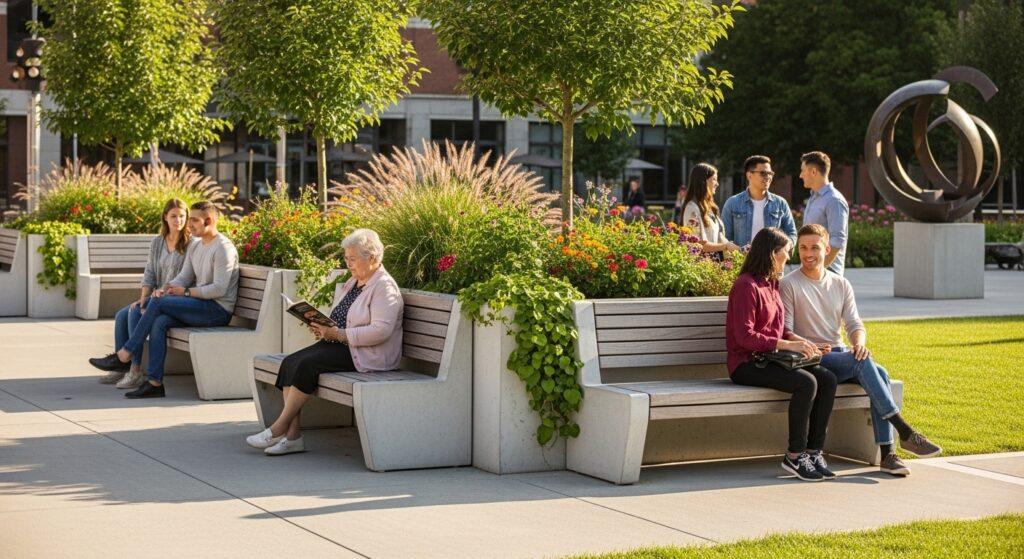
Concrete furniture can be seamlessly integrated into the surrounding landscape. Designers can incorporate seating into retaining walls, planters, or architectural features, creating a cohesive and efficient use of space. Concrete outdoor furniture for public spaces allows for this level of integration, enhancing both functionality and visual harmony.
This approach not only maximizes space but also creates a more intentional and polished design. By blending furniture with the environment, public spaces can achieve a unified and inviting aesthetic.
Final Thoughts
Concrete outdoor furniture for public spaces offers a powerful combination of durability, safety, low maintenance, and design flexibility. It supports the creation of welcoming, functional, and sustainable environments where people can gather and connect. By investing in high-quality concrete furniture, communities can enhance the usability and longevity of their public spaces while delivering long term value. Thoughtful design and strategic placement further amplify these benefits, ensuring that public areas remain vibrant and engaging for years to come.