Why Respiratory Protection Should Never Be an Afterthought
Across every industry where people work with dust, chemicals, fumes, or airborne particles, respiratory protection is one of the most critical safety measures an employer can provide.
The air workers breathe directly affects their short-term health and long-term wellbeing, and choosing respiratory equipment a decision that carries genuine weight.
Many workplace hazards are invisible to the naked eye, which is precisely what makes them so dangerous.
Fine particles, vapours, and microbial contaminants can enter the lungs without any warning, accumulating over time and leading to serious and sometimes irreversible health conditions.
Occupational lung disease remains one of the most significant preventable health issues facing workers globally.
Industries such as mining, construction, healthcare, manufacturing, and welding all present respiratory risks that can be substantially reduced with the right protective equipment and a commitment to consistent use.
The difference between adequate respiratory protection and inadequate protection is not always visible in the short term.
Workers who are inadequately protected may feel fine for years before the effects of prolonged exposure begin to manifest, which is why prevention is always the more responsible approach.
Understanding the Different Levels of Respiratory Risk
Not all workplaces carry the same respiratory risks, and understanding the specific hazards present in any given environment is the first step toward choosing appropriate protection.
Dust from concrete cutting, silica from sandblasting, chemical fumes from industrial processes, and biological contaminants in healthcare settings each demand a different level of filtration and protection.
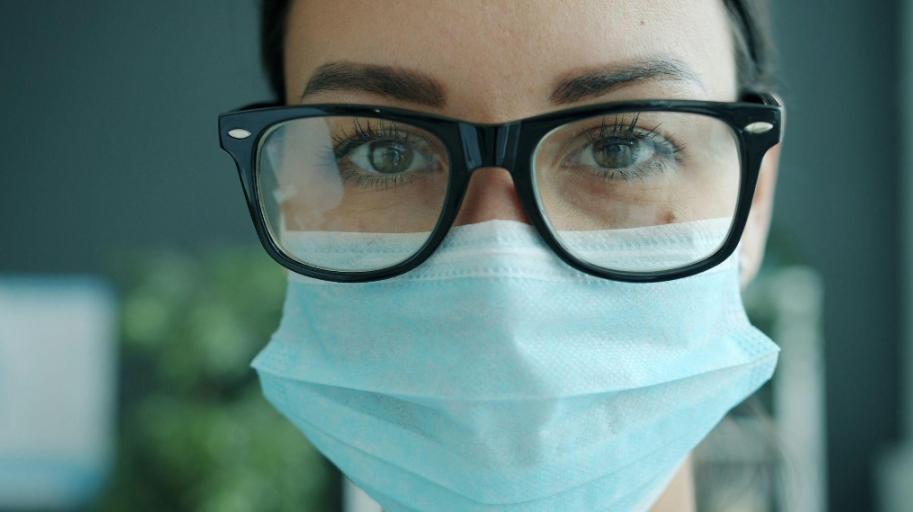
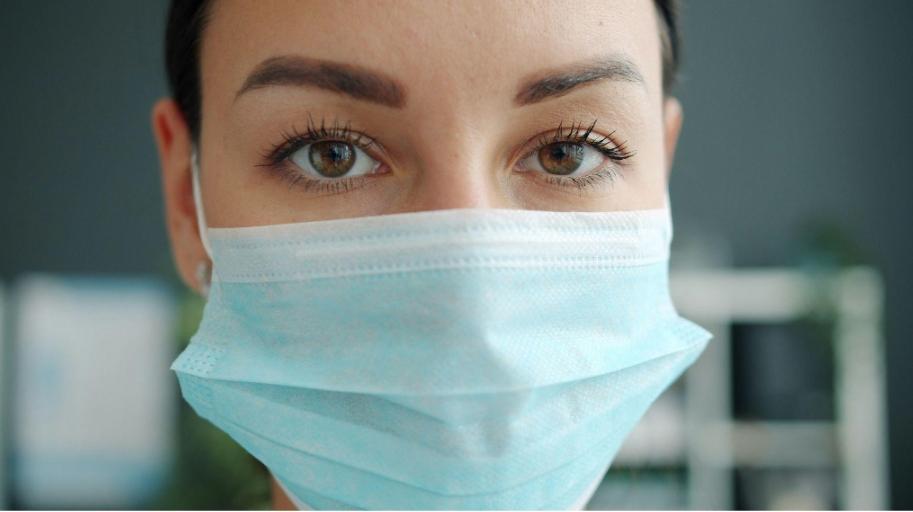
Disposable masks are commonly seen as a convenient solution, but they offer limited protection when not fitted correctly or when worn over facial hair.
They are designed for low-risk environments and short-duration tasks, and they are simply not suitable as a long-term solution in high-exposure settings.
Reusable respirators with replaceable filters provide a more reliable and cost-effective alternative for workers who face regular or prolonged exposure. They offer better fit, more consistent filtration performance, and greater durability across a wide range of demanding work conditions.
Powered Air Purifying Respirators, commonly known as PAPRs, represent the most advanced category of respiratory protection available for industrial and healthcare use.
They use a battery-powered blower to actively draw air through high-efficiency filters, delivering a continuous stream of clean, filtered air to the wearer without the breathing resistance associated with traditional masks.
PAPRs are particularly valuable in environments where heavy physical exertion is required, as they eliminate the effort needed to inhale through a standard filter.
Workers can breathe naturally and comfortably, which reduces fatigue and encourages consistent, correct use of the equipment throughout the working day.
The CleanSpace range of powered respirators has set a new benchmark in this category, combining exceptional protection with a compact and lightweight design that makes extended wear genuinely manageable.
Unlike older PAPR systems that relied on bulky waist-mounted battery packs and restrictive hoses, CleanSpace units are self-contained and sit directly on the face, giving wearers complete freedom of movement.
If your workplace requires reliable respiratory protection that is both high-performing and comfortable for long shifts, it is worth taking the time to shop clean space respirator range and find a model suited to the specific hazards and demands of your environment.
What Sets Modern Respirator Technology Apart
The evolution of respiratory protective equipment over the past decade has been significant, driven by a better understanding of occupational health risks and advances in materials science and electronics.
Today’s best respirators are engineered to the standards of the medical device industry, incorporating precision airflow systems, intelligent sensors, and ergonomic design principles that were simply not possible in earlier generations of equipment.
One of the most important innovations in modern powered respirators is breath-responsive airflow technology.
Rather than delivering a fixed volume of air continuously, systems like the AirSensit technology found in CleanSpace units detect the wearer’s breathing rate and adjust airflow accordingly, providing exactly the right amount of filtered air at any given moment.
This adaptive approach not only improves comfort but also extends battery life and reduces noise, both of which are important considerations for workers operating in communication-sensitive or time-critical environments.
The result is a respirator that works intelligently with the wearer rather than simply sitting on their face.
Fit is another area where modern respirators have improved dramatically. A respirator that does not seal properly around the face offers significantly reduced protection, regardless of the quality of its filter, and this has historically been one of the greatest weaknesses of disposable mask solutions.
Full face and half face mask options now come with detailed fitting guides and adjustable components designed to accommodate a wide range of facial structures.
Many models have also been engineered to be compatible with glasses, hearing protection, and hard hats, recognising that respiratory protection rarely operates in isolation from other PPE requirements.
The ease of cleaning and maintenance is another factor that determines whether workers will use their equipment consistently.
CleanSpace respirators are designed with minimal components and smooth surfaces that can be quickly cleaned and disinfected between uses, reducing downtime and maintaining hygiene standards in environments where contamination control is critical.
Building a Culture of Respiratory Safety
Providing workers with high-quality respirators is an essential starting point, but it is only one part of an effective respiratory protection programme.
Training, supervision, equipment maintenance, and regular reviews of workplace hazards all contribute to a safety culture in which respiratory risks are genuinely managed rather than simply acknowledged.
Workers who understand why respiratory protection matters and how their equipment functions are far more likely to use it correctly and consistently.
Investing in training is therefore not just a compliance requirement but a meaningful contribution to the long-term health of every person on site.
Managers and safety officers play an important role in setting the tone for how seriously respiratory protection is taken across a workplace.
When protective equipment is properly maintained, readily accessible, and clearly required as a condition of working in hazardous areas, it becomes part of the daily routine rather than an occasional inconvenience.
Regular assessment of airborne hazard levels in the workplace should also be conducted to ensure that the level of protection provided remains appropriate as conditions change.
New processes, materials, or site configurations can all alter the respiratory risk profile of a work environment in ways that may not be immediately obvious.
Regulatory bodies in Australia and around the world continue to strengthen standards around respiratory protection, reflecting a growing recognition that lung health is a long-term public health issue as much as an individual workplace concern.
Staying ahead of those requirements by investing in quality, proven equipment is always the more responsible and cost-effective approach.
Respiratory protection is ultimately about respect, respect for the people who show up to work each day and the health they bring with them.
Choosing equipment that is genuinely effective, comfortable, and built to perform in real working conditions is one of the most meaningful investments any organisation can make in the safety and wellbeing of its workforce.