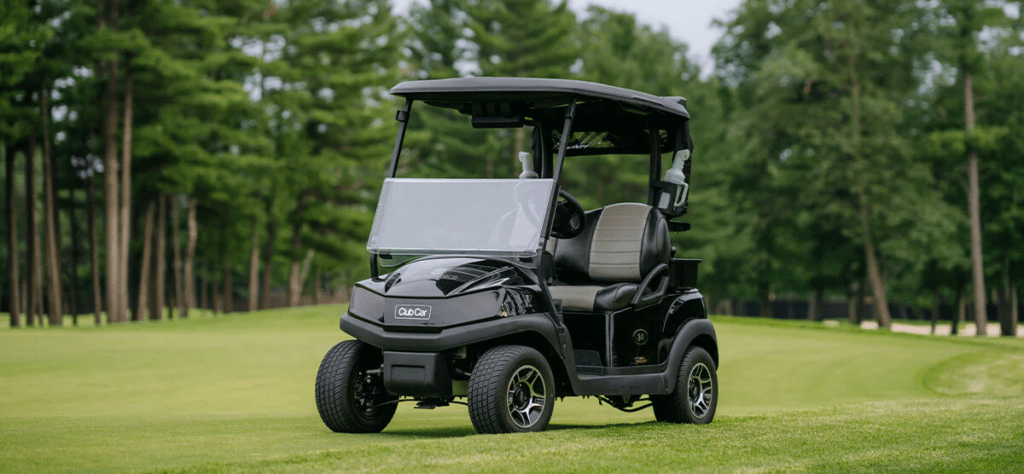
Why More Golf Cart Owners Are Switching to Lithium Power?
Golf carts are no longer used only for quiet rounds on the course. Many owners now use them around neighborhoods, resorts, campgrounds, farms, large properties, and short-distance communities. With more daily use comes a bigger need for dependable power, longer range, and easier charging.
That is one reason lithium power is becoming a popular upgrade for golf carts. Traditional lead-acid batteries can still do the job, but they are heavy, slower to charge, and require more care. For owners who drive often, those small problems can become frustrating over time. Lithium batteries offer a cleaner and more convenient way to power a cart, especially when the cart is used for more than occasional weekend driving.
Why Lead-Acid Batteries Are Becoming Less Practical
Lead-acid batteries have powered golf carts for decades. They are familiar, widely available, and usually cheaper upfront. However, they also come with limits that many cart owners notice as their batteries age.
A lead-acid battery bank is heavy. In many golf carts, the full battery set can add hundreds of pounds. This extra weight affects how the cart handles, how it climbs hills, and how much energy it uses during a ride.
Lead-acid batteries also need more maintenance, especially flooded lead-acid models. Owners may need to check water levels, clean terminals, and watch for corrosion. If the cart is used often, this maintenance becomes another task to remember.
Common problems with lead-acid golf cart batteries include:
- Heavy battery weight
- Slower charging time
- Regular water checks for flooded batteries
- Power drop as the charge gets lower
- Shorter range as the batteries age
- More frequent replacement
- Weaker performance on hills or long rides
For casual users, these issues may not feel serious at first. For daily drivers, property owners, resort users, and neighborhood cart owners, they can make the cart less enjoyable and less reliable.
What Makes Lithium Power Different?
Lithium batteries, especially LiFePO4 batteries, are built to provide steady power with less weight and lower maintenance. Instead of using several heavy lead-acid batteries, many golf cart owners can move to a simpler lithium setup that is easier to manage.
Here is a simple comparison:
| Feature | Lead-Acid Battery | Lithium Battery |
| Weight | Heavy | Much lighter |
| Charging speed | Slower | Faster with the right charger |
| Maintenance | May need water checks | Low maintenance |
| Power output | Drops more during use | More stable output |
| Lifespan | Usually shorter | Often longer |
| Upfront cost | Lower | Higher |
| Long-term value | Depends on usage | Stronger for frequent users |
The biggest difference is convenience. Lithium batteries do not remove every responsibility, but they reduce many of the problems that come with older battery technology. That is why more golf cart owners now see lithium as an upgrade, not just a replacement.
Main Reasons Golf Cart Owners Are Switching to Lithium
1. Longer Range on a Single Charge
Range is one of the first reasons owners look at lithium. A golf cart that loses power too quickly can be annoying, especially if it is used for neighborhood driving, long property routes, or several rounds of golf.
Lithium batteries can provide more usable energy than many lead-acid setups. They also keep voltage more stable during use. This means the cart may feel more consistent through most of the ride instead of slowly becoming weaker as the battery drains.
Range still depends on several factors, including cart weight, tire size, terrain, passenger load, driving speed, and battery capacity. A lithium battery does not make every cart go the same distance, but it can help many owners get a more dependable ride.
2. Lighter Weight for Better Cart Performance
Lead-acid battery banks are heavy. When a cart carries less battery weight, it can feel more responsive. A lighter battery setup may help with handling, climbing hills, and reducing strain on some parts of the cart.
This can be useful for owners who drive on slopes, grass, gravel, or uneven property roads. It can also help carts that carry passengers or gear. Less weight does not automatically turn a cart into a high-performance vehicle, but it can make everyday driving smoother and easier.
3. Faster Charging for Daily Use
Waiting a long time for batteries to charge is another reason owners switch. Lithium batteries can often charge faster when paired with the correct charger. This matters for people who use their carts daily or need the cart ready again after a few hours.
A proper lithium charger is important. Using the wrong charger can cause charging problems or reduce battery performance. Before upgrading, owners should check whether their current charger supports LiFePO4 batteries or whether they need a new charger.
4. Less Maintenance
Many owners like lithium because it removes much of the routine work linked to lead-acid batteries. There is no regular watering, no fluid-level checking, and less worry about acid-related corrosion.
Lithium batteries still need proper care. They should be charged correctly, stored safely, and installed according to instructions. But for most owners, the maintenance load is much lower. For busy owners, this is one of the biggest benefits.
5. Steadier Power During the Ride
A lead-acid golf cart can feel strong when fully charged, then weaker as the battery level drops. Lithium batteries are different because they can hold steadier voltage through much of the charge cycle.
This can help the cart feel more predictable. The driver may notice better consistency on hills, longer paths, or stop-and-go use. For golf courses, resorts, and neighborhoods, steady power can make the cart more pleasant to use.
6. Longer Service Life
LiFePO4 batteries are known for long cycle life. A cycle means one charge and discharge process. While lifespan depends on use, charging habits, temperature, and storage, many lithium batteries are designed for far more cycles than common lead-acid batteries.
This is why the higher upfront price can make sense for frequent users. Owners who use their carts every day may care less about the first purchase price and more about long-term reliability, fewer replacements, and lower maintenance.
48V Lithium Batteries for Golf Carts
Many modern golf carts use 48V systems. A 48V lithium battery can often replace a full 6V*8 or 8V*6 lead-acid battery banks, depending on the cart and the battery design.
This can simplify the setup. Instead of managing several lead-acid batteries, owners may use one lithium battery that matches the cart’s voltage and power needs. This can also reduce weight and make charging easier.
For most owners, a 48V 100Ah LiFePO4 golf cart battery is more than sufficient to meet everyday golf cart power needs. For users who operate their golf carts more frequently or require longer runtime between charges, a higher-capacity option such as a 48V 120Ah battery may be a better fit.
Before choosing a 48V lithium battery for golf carts, owners should check:
- The cart’s actual voltage
- Battery tray size
- Controller compatibility
- Charger compatibility
- Cable and connector condition
- Manufacturer installation instructions
A 48V cart should not be upgraded by guesswork. The battery, charger, controller, and wiring all need to work together.
Upgrade Golf Cart Battery to Lithium
For golf cart owners focused on long-term value and performance, upgrading to a lithium battery is a smart investment. Although the upfront cost may be higher than traditional lead-acid batteries, lithium batteries offer a significantly longer lifespan, lower maintenance requirements, faster charging, and better overall efficiency, helping reduce replacement and operating costs over time.
A conversion kit can make the upgrade easier because the main parts are selected to work together. Instead of buying a battery, charger, and monitor separately, owners can choose a kit designed for the same power system.
For example, a 48V golf cart lithium battery conversion kit can be useful for owners who want a matched battery, charger, and monitoring setup for a compatible 48V cart. For owners replacing an old lead-acid bank, this kit may be simpler than buying each part separately. Still, the cart must be compatible, and the battery must fit the available space.
A basic conversion process usually includes:
- Confirming the golf cart voltage
- Removing the old lead-acid batteries safely
- Choosing a lithium battery with the right voltage and capacity
- Securing the battery in the tray
- Connecting a compatible lithium charger
- Adding a battery monitor if needed
- Testing the cart before regular driving
Owners who are not comfortable with electrical work should use a qualified technician. Golf cart battery systems carry serious power, and incorrect wiring can damage equipment or create safety risks.
Is It Worth Upgrading to a Lithium Golf Cart Battery?
Lithium batteries usually cost more upfront than lead-acid batteries. This is the main reason some owners hesitate. If a cart is used only a few times each year, the lower price of lead-acid may still seem attractive.
For regular users, the value of lithium becomes clearer. A lithium battery can reduce maintenance, improve usable range, cut weight, and last longer when used correctly. Over time, these benefits can make the higher purchase price easier to justify.
| Owner Type | Is Lithium Worth Considering? | Why |
| Daily golf cart user | Yes | Better range and less maintenance |
| Neighborhood driver | Yes | Easier charging and steady power |
| Resort or property user | Yes | Frequent use benefits from long life |
| Occasional golf-only user | Maybe | Depends on budget and usage |
| Owner with aging lead-acid batteries | Yes | Upgrade may improve convenience |
The best value depends on how often the cart is used. Lithium makes the most sense when the cart is part of daily life.
What to Check Before Switching to Lithium?
Before upgrading, owners should slow down and check the basics. A battery may look perfect online but still be wrong for a specific cart.
Important checks include:
- Cart voltage
- Battery tray size
- Controller compatibility
- Charger compatibility
- Cable condition
- Battery hold-down method
- Weight balance
- Warranty coverage
- Bluetooth or monitor preference
- Local installation support
It is also important to check whether the battery is designed for the type of driving you do. A cart used on flat neighborhood roads may not need the same power setup as a cart used on hills, grass, and rough property paths.
Final Thoughts
More golf cart owners are switching to lithium power because it solves many everyday battery problems. Lithium batteries are lighter, easier to maintain, faster to charge with the right charger, and more consistent during use.
For 48V golf carts, a well-matched lithium battery or conversion kit can make the cart more practical for daily driving, golf courses, neighborhoods, resorts, and private property. The right choice should match the cart voltage, battery tray, controller, charger, and driving needs. Still, every owner should check fit and system requirements before buying. A careful upgrade can lead to better range, less maintenance, and a more enjoyable ride.