Why Designers Fear the Pre-Memorial Day Hamptons Rush
Key Takeaways
● Centralized Logistics: A receiving warehouse allows designers to consolidate fragmented multi-vendor shipments into a single, organized system.
● Traffic Management: Pre-planned logistics help teams bypass the severe daily congestion known as the Hamptons Trade Parade.
● Liability Protection: Immediate commercial inspection protects designers from expired vendor liability windows.
● Pristine Installations: Hamptons white-glove delivery ensures exact furniture placement and complete debris removal.
Memorial Day serves as the ultimate deadline for luxury home reveals on the South Fork. High-net-worth clients expect their vacation estates to be perfectly styled for summer entertaining. Interior designers spend months sourcing premium furnishings to meet these expectations. The final phase of delivery often introduces unexpected chaos.
Direct shipping to a residential address creates massive bottlenecks. Global supply chains operate on their own unpredictable schedules. When dozens of manufacturers ship items directly to a Hamptons property, designers face a logistical nightmare. Using a dedicated interior design receiving warehouse NYC provides a secure hub to manage incoming shipments and protect project margins. This centralized approach guarantees a smooth transition from procurement to the final client reveal.
The Unique Logistical Reality of the Hamptons
Executing a multi-room installation on the East End requires navigating a highly specific set of regional challenges. The area features a complex infrastructure that actively works against standard commercial freight operations.
Navigating the Trade Parade
The local economy relies heavily on a workforce that commutes from further west on Long Island. This daily migration creates a massive influx of service, construction, and delivery vehicles. Locals refer to this predictable traffic surge as the Trade Parade.
Congestion peaks eastbound between 5:30 AM and 9:30 AM. Corridors like Sunrise Highway and County Road 39 become near standstills. In the afternoon, the westbound exodus creates similar gridlock from 3:00 PM to 7:00 PM. A single delayed freight truck caught near the Shinnecock Canal can derail an entire day of carefully scheduled installation work. Professional logistics teams specifically time their dispatch schedules to avoid these critical bottlenecks.
Infrastructural Constraints
The physical layout of the East End poses another major barrier. Standard 53-foot commercial freight trucks face severe restrictions in many residential zones, particularly in East Hampton. Town ordinances frequently prohibit these massive vehicles from parking on or navigating local roads.
Many exclusive estates sit at the end of narrow lanes or unpaved gravel driveways. Direct freight deliveries often end with drivers dropping heavy crates at the curb. This forces designers to manually haul expensive furniture across unstable terrain, exposing high-value assets to weather damage and structural risk.
The Core Functions of a Receiving Warehouse
A specialized commercial receiver acts as a fortress against supply chain unpredictability. Routing all procurement through a central hub allows design firms to regain control over their timelines.
Centralized Multi-Vendor Procurement
A typical Hamptons project involves sourcing materials from dozens of independent artisans and manufacturers. Active job sites are hazardous environments filled with drywall dust, wet paint, and heavy machinery. Delivering custom silk upholstery or antique rugs to an active construction zone guarantees damage. A receiving warehouse eliminates this risk by holding all items securely until the property is fully ready for installation.
| Feature | Direct Manufacturer Delivery | Receiving Warehouse Logistics |
| Delivery Timing | Unpredictable, sporadic arrivals | Coordinated, single-day installation |
| Asset Security | Left on porches or active job sites | Climate-controlled, secure storage |
| Quality Control | Client or designer must inspect on-site | Professional unboxing and condition reporting |
Meticulous Inspection and Liability Protection
Commercial freight carriers operate under strict liability policies. Vendors often disclaim responsibility for transit damage unless it is documented on the bill of lading immediately upon receipt.
If a crated sofa sits unboxed in a Hamptons garage for three weeks, the vendor liability window closes. Any damage discovered later becomes the financial responsibility of the designer. Warehouse teams prevent this by unboxing and inspecting every item the moment it arrives. They generate detailed condition reports and handle freight claims directly. This transfers the risk away from the designer and holds trade vendors accountable.
Digital Inventory and Organization
Managing hundreds of incoming pieces requires robust organization. Premier receiving facilities use digital inventory portals to track piece counts in real time. Designers can log in to check which items are ready for deployment and which are pending repair.
Warehouse staff apply rigorous physical labeling to every box. Standardized tags denote the client name, specific room destination, and piece count. This ensures that items are loaded onto the delivery truck in reverse order. Furniture destined for the top floor comes off the truck first, creating an efficient workflow on the day of the reveal.
Final Delivery Planning and True White-Glove Execution
The final installation brings the entire creative vision to life. High-net-worth clients expect absolute perfection during this phase.
Defining White-Glove Service
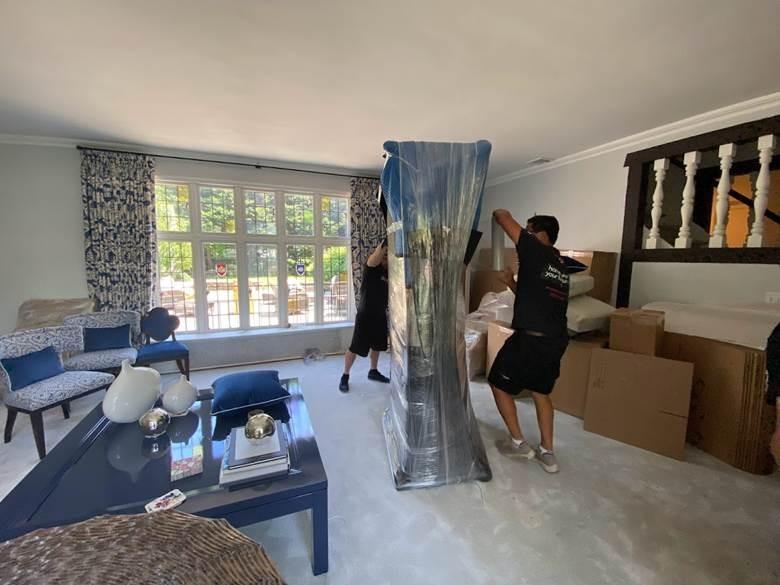
Standard shipping often means a box left at the front door. Hamptons white glove delivery offers a completely different tier of service. It involves exact appointment scheduling, minimum two-person crews, and careful inside delivery.
Professional logistics teams also manage strict building rules and community guidelines. Gated communities and high-end condominium associations require a Certificate of Insurance (COI) before granting access. Moving teams seamlessly provide this documentation to property managers. They also coordinate freight elevator reservations, loading dock access, and specific parking requirements to keep the project moving without administrative delays.
Debris Mitigation Tactics
Custom furniture requires massive amounts of protective packaging to survive transit. Uncrating a single room of premium furniture generates enough cardboard, wood crates, and expanding foam to fill a commercial dumpster.
Warehouse teams remove and dispose of this industrial debris off-site before the final delivery. Items are carefully re-wrapped in reusable moving blankets for the short trip to the property. The delivery crew leaves the client’s home completely pristine, free of trash, and immediately habitable.
Securing Your Summer Reveal
Executing a perfect Memorial Day installation requires more than great design. It requires a flawless supply chain. Relying on unpredictable freight carriers and direct-to-site shipping puts expensive inventory and hard-earned profit margins at risk.
Partnering with a professional receiving facility changes the entire dynamic of a project. Centralized logistics give designers the freedom to focus on their creative vision instead of chasing delayed trucks. By securing reliable transportation and expert handling early in the season, design firms can guarantee their clients a spectacular summer reveal.