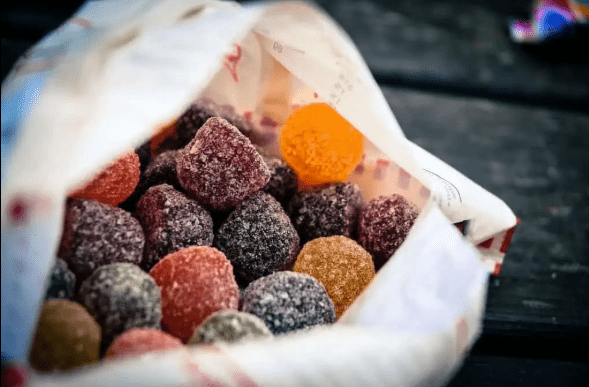
Why Custom Candy Packaging Shapes Freshness and First Impressions
Candy packaging has two important jobs. It needs to catch a shopper’s attention, and it needs to help protect the product inside. For confectionery brands competing in retail stores and online marketplaces, both functions can influence whether a customer notices the product, tries it, and comes back for another purchase.
That is why custom candy packaging should be considered part of the product experience rather than simply a wrapper or container. Flexible packaging can give candy brands control over pouch format, graphics, finishes, barrier properties, and convenience features while accommodating products ranging from chocolates and gummies to hard candy, mints, caramels, and other sweet treats.
ePac currently manufactures rollstock, stand-up pouches, and lay-flat pouches for confectionery brands and offers customizable features designed to improve shelf presentation and the consumer experience.
The right packaging specification depends on what the candy needs to stay appealing. Moisture, oxygen, light, temperature conditions, handling, and storage can all influence product quality. Packaging materials should therefore be selected around the confectionery product’s specific shelf-life and distribution requirements.
Barrier Films That Protect Against Moisture and Temperature Shifts
Moisture can be a major concern for many confectionery products. Excess humidity or water-vapor exposure may affect texture, appearance, or overall eating quality, depending on the type of candy.
High-barrier flexible packaging is designed to limit the movement of substances such as water vapor and gases through the package. ePac defines barrier materials as packaging structures intended to help prevent water, oils, or certain gases from penetrating the package and contributing to spoilage, texture changes, or stale flavor.
That makes barrier-film selection an important part of shelf-life planning.
A gummy product may have different moisture requirements from a chocolate confection or hard candy. Candy containing nuts, fats, or other oxidation-sensitive ingredients may also require attention to oxygen-barrier performance.
For products that need particularly strong protection from water vapor, oxygen, aroma transfer, or light, foil packaging can be one option to consider. ePac’s flexible-packaging glossary describes aluminum foil used in laminates as providing strong oxygen, aroma, and water-vapor barrier protection. Its foil guide also highlights metallized PET structures for packaging applications where durability and barrier performance are important.
Temperature conditions matter as well.
Candy products may move through warehouses, delivery vehicles, retail environments, and e-commerce fulfillment networks before reaching the consumer. Packaging alone cannot prevent heat-sensitive confectionery such as chocolate from melting if temperatures exceed the product’s tolerance, but the correct flexible-film structure can help protect against moisture, outside contaminants, and other environmental exposure during distribution.
ePac also offers flexible packaging materials designed for applications that experience demanding temperature conditions. For example, its frozen-food packaging uses puncture- and moisture-resistant food-grade materials intended to maintain integrity in extreme cold.
The broader lesson is that packaging materials should be matched to the full distribution environment rather than chosen only for their appearance.
Seal integrity also deserves attention. A high-performance barrier film provides limited value if the package seal fails during shipping or handling. Brands should evaluate film structure, sealant layers, package dimensions, fill weight, and expected transport conditions together.
Food-Safe Materials Designed for Long-Lasting Quality
For food brands, packaging material selection must begin with the product itself.
ePac currently offers food-safe flexible packaging options that include stand-up pouches and customizable films with high-barrier protection and multiple print finishes. The appropriate material structure can vary depending on ingredients, moisture sensitivity, fat content, aroma, target shelf life, and filling process.
Flexible films are often multilayer structures, with different layers performing different functions. One may support printing, another may supply barrier properties, and another may provide reliable heat-sealing performance.
ePac describes the film as the foundation of flexible packaging and notes that print, sealant, and barrier materials can be matched to specific product requirements. Available finishes and structures include gloss, matte, soft-touch, metallized, recyclable, and post-consumer-recycled options.
Functional features can also help preserve quality after the package reaches the consumer.
A resealable zipper can be useful for multi-serving gummies, chocolates, mints, or other candies that are not intended to be consumed immediately. The ability to close the pouch again can improve convenience while limiting unnecessary exposure between servings.
Heat sealing can provide another layer of freshness protection before first opening. ePac currently describes heat-sealed pouches as a way to lock in freshness and help keep oxygen out, while high-barrier structures can reduce humidity and scent transfer.
Tear notches can improve the opening experience, while stand-up pouch formats can increase shelf visibility and create a large printable surface for brand graphics, ingredient information, product claims, and nutrition details.
First impressions matter particularly in confectionery.
Candy aisles and online product grids can contain many competing colors, flavors, and brands. Packaging has only a brief opportunity to communicate what makes a product distinctive. ePac itself notes that candy brands often operate in visually busy retail environments where customizable packaging features can help a product stand apart.
Digital printing can support that goal by allowing brands to create detailed graphics and distinct designs across flavors, varieties, seasonal products, or limited editions.
The same packaging principles extend into other aroma- and moisture-sensitive categories. For example, custom tea packaging can use resealable pouches and high-barrier films to help protect tea from air and moisture while preserving aroma and freshness. ePac currently offers stand-up pouch and other flexible packaging solutions specifically for tea products.
That comparison highlights an important point: good flexible packaging begins with understanding what threatens product quality.
For tea, aroma and moisture control may be major priorities. For candy, the key concerns may include humidity, oxygen exposure, texture preservation, light, aroma transfer, or distribution conditions. The correct film and pouch structure should reflect those differences.
Brands also need to consider what happens after purchase. Is the candy intended to be eaten all at once or over several days? Does the consumer need a resealable zipper? Will the package travel in a purse, backpack, lunchbox, or car? Does the pouch need enough structure to stand upright on a retail shelf?
Answering these questions can help determine the ideal combination of material, format, barrier level, closure, and size.
Ultimately, effective confectionery packaging balances protection with presentation.
High-barrier films can help protect against environmental exposure. Food-appropriate material structures can support product quality throughout distribution and storage. Zippers, tear notches, and other convenience features can improve usability, while custom printed graphics help communicate the brand at the moment a shopper is deciding what to buy.
When these elements work together, candy packaging becomes more than a container. It helps preserve the product customers expect while creating the visual first impression that encourages them to pick it up in the first place.