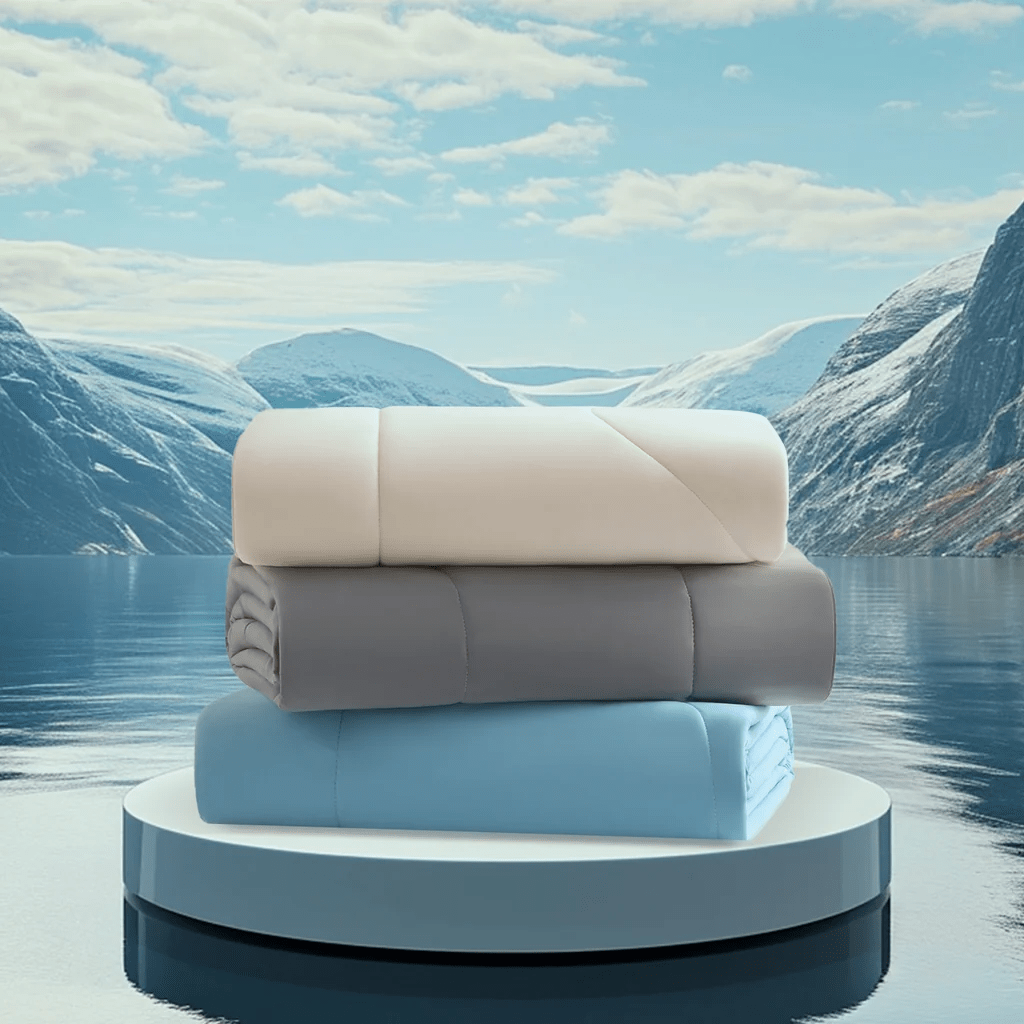
Why an OEKO-TEX Certified Cooling Comforter Is Worth Choosing
Bedroom temperature influences sleep continuity, especially for people who wake overheated or perspire at night. Bedding that releases warmth, manages moisture, and feels gentle against skin may support more settled rest. OEKO-TEX certification offers an additional safeguard because participating products undergo testing for harmful substances. Fiber selection matters equally. Eucalyptus-derived lyocell, breathable construction, and responsible sourcing can create a lighter sleep layer that remains comfortable through changing temperatures and regular use.
Why Certification Matters
Certification provides a useful safety checkpoint, although textile performance still requires careful review. An oeko tex cooling comforter may combine chemical-safety testing with fibers that feel smooth, release warmth, and manage perspiration. The listed specifications include a 100% TENCEL Lyocell shell and fill, a 300-thread-count cover, and a laboratory-tested Qmax value of 0.405 W/cm². These details put comfort claims alongside measurable information.
Eucalyptus Fiber Supports Cooler Rest
Down and polyester can retain substantial warmth, which may trouble sleepers during humid weather or temperature fluctuations. Eucalyptus-derived lyocell behaves differently because its structure supports airflow and moisture movement. TENCEL Lyocell forms both the outer fabric and inner filling in the referenced comforter. According to published product information, that fill retains less heat than down or polyester. A lighter layer allows coverage without the dense, insulated sensation some people find uncomfortable.
Moisture Control Helps Reduce Clamminess
Warmth becomes harder to tolerate when perspiration stays against the body. Lyocell absorbs liquid, then helps transport it through the textile rather than leaving skin damp. Controlled testing cited in the product information found that lyocell absorbed 9.23% of its weight. This figure offers more value than a general claim about breathability. Effective moisture handling may reduce clamminess and help bedding feel drier across extended nighttime use.
Smooth Fibers Can Benefit Sensitive Skin
Surface friction can aggravate reactive skin, particularly during frequent movement beneath covers. Microscopic analyses describe lyocell as smooth and cylindrical, unlike fibers with pronounced ridges. That shape may create a softer contact surface and reduce mechanical irritation. Research cited in the product information also reported a preference for lyocell among people with sensitive skin. Individual tolerance varies, but fiber geometry remains relevant for anyone prone to itching or redness.
Qmax Offers a Measurable Cooling Signal
Cooling language means little without a defined test method. Qmax measures initial heat transfer from skin into a textile surface. A higher reading generally indicates a stronger cool-touch sensation at first contact. Intertek testing listed for the Breeze fabric recorded 0.405 W/cm². The result cannot forecast every person’s overnight experience, since room temperature, clothing, and physiology also matter. Still, it gives shoppers a useful benchmark for comparison.
Practical Details Improve Daily Use
Temperature control represents just one part of bedding performance. Corner loops keep a duvet cover aligned and limit internal shifting during sleep. Each corner includes a loop, which can simplify laundering and routine bed making. The shell and filling also use the same fiber family, producing a more consistent tactile experience. According to the published product details, hand inspection for defects before shipment adds another quality-control measure.
Material Choices Can Support Lower Impact
A comforter’s environmental effect depends on forestry, processing, longevity, washing, and end-of-life handling. The listed TENCEL Lyocell comes from responsibly sourced wood, while both fabric and filling are described as fully biodegradable. Those points offer useful comparison criteria, but they should sit beside expected service life and care requirements. Lower-impact claims carry greater weight when a textile remains functional for years and avoids premature replacement.
A Simple Buying Checklist
Four checks can make comparison more practical. First, certification should come from a recognized textile-safety program with verifiable product information. Second, cooling statements should identify testing methods or disclose relevant fiber data. Third, construction needs to suit intended use, including corner loops, sizing, and washing instructions. Finally, return terms matter because loft, warmth, and surface feel remain personal experiences.
Conclusion
An OEKO-TEX certified cooling comforter can support sleep comfort while addressing textile safety and material performance. Certification helps screen for harmful substances, while lyocell offers smooth contact, moisture absorption, and a cooler initial sensation. Qmax testing adds evidence beyond broad claims. Eucalyptus-derived TENCEL Lyocell, lighter filling, corner loops, and breathable construction create a practical combination. For hot sleepers or people with sensitive skin, those measurable details justify closer evaluation before purchase.