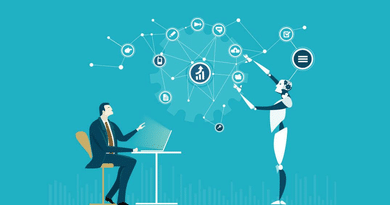
Why AI Expertise Is Becoming Essential for Career Growth
Artificial intelligence is rapidly becoming a core driver of business innovation, reshaping how organisations operate, compete, and grow. No matter the industry, from finance to healthcare to creative fields, AI is changing jobs and opening up huge opportunities for people with the right skills. Knowing how to use and understand AI isn’t just for specialists anymore; it’s becoming a key skill for ambitious professionals.
AI’s Impact on Modern Careers
AI’s impact now goes way beyond just the tech world. Marketing teams use it to figure out what customers want, financial companies use it to check for risks, and healthcare providers use it to diagnose illnesses more accurately. Because so many different places are using AI, having a basic grasp of how it works is becoming vital for career growth. Professionals who can talk about AI and see how it fits into a company’s plans are in a great spot to lead teams and spark new ideas, no matter their specific department. Being able to quickly master AI skills is becoming a big advantage when looking for a job.
Specialising in Artificial Intelligence
As AI becomes more deeply embedded across industries, employers are increasingly looking for professionals who can move beyond using AI tools and contribute to strategy, development, and implementation. Specialising in AI means more than just learning a new software program. It means understanding how machine learning, natural language processing, and data science all work. This kind of knowledge lets you do more than just use AI; it lets you build it, manage it, and plan with it. If you’re serious about leading in this field, getting a formal qualification like a Master of Artificial Intelligence online can give you the structured, in-depth knowledge you need to create and put into action effective AI solutions.
Essential Skills for Tomorrow’s Leaders
When you master AI, you get a unique mix of technical and strategic abilities. People who lead in the AI world aren’t just coders; they’re smart thinkers who can spot business problems and imagine how technology can fix them. Key skills include:
- Understanding Data: Being able to make sense of complicated data sets and find useful insights.
- Solving Problems: Using logical thinking to break down challenges and come up with smart, efficient solutions.
- Strategic Thinking: Knowing how to connect AI projects with bigger business goals to create value and a competitive edge.
- Communicating Clearly: Explaining technical ideas to people who aren’t tech-savvy, which helps everyone get on board and work well together.
Ethics and AI Innovation
As AI gets more powerful, the ethical questions about how we use it become more important. Real AI expertise has to include a strong foundation in responsible innovation. This means thinking about fairness, accountability, and transparency in every project. Professionals who understand AI ethics are incredibly valuable because they can help organisations build systems that are not only effective but also trustworthy and fair. They know how to ask tough questions about data privacy, algorithmic bias, and how their work affects society, guiding their companies toward growth that’s both lasting and responsible.
Future-Proofing Your Professional Journey
In a job market that’s always changing, specialising in a high-demand area like artificial intelligence is one of the best ways to make sure your career stays secure and relevant for the long haul. As more routine tasks get automated, the need for professionals who can design, oversee, and innovate with AI systems will only go up. Developing these advanced skills isn’t just about keeping your job; it’s about setting yourself up for leadership roles that will shape the future of industries. Gaining these AI skills can boost job security and open doors to more senior, strategic positions that are less likely to be taken over by automation.
Ultimately, developing AI expertise is about positioning yourself for the next generation of leadership opportunities in a technology-driven economy. Moving past just knowing how to use AI and truly committing to becoming an expert helps you change your career path from one that simply reacts to tech changes to one that actively guides them.