Who Is Responsible When a “Class 3” E-Bike Malfunctions—The Retailer, the Manufacturer, or the Parent?
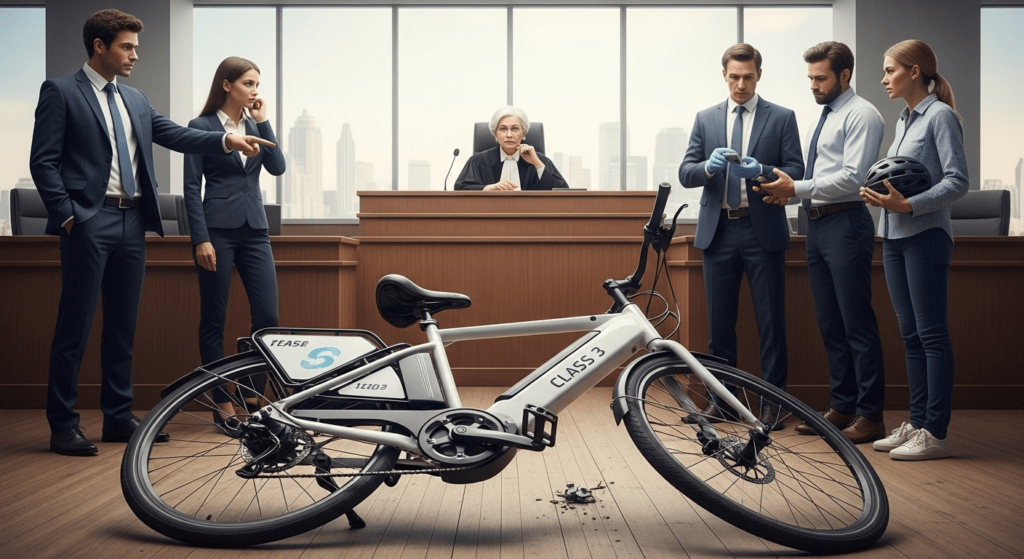
Class 3 e-bikes are the highest-performing type of electric bicycle, reaching speeds of up to 28 mph. In Illinois, these bikes are unique because they are stronger than regular bicycles but do not need the full motorcycle license. However, when they break down at high speeds, the results can be dangerous. Figuring out who is responsible for an accident involves looking at where the safety measures failed in design, sales, or supervision.
In Illinois, Class 3 e-bikes have strict rules. They must have working pedals and their motors cannot exceed 750 watts. Due to the risks of traveling at 28 mph, state law requires that riders be at least 16 years old. When a malfunction happens, getting compensation often includes navigating both product liability and negligence laws.
Defining Manufacturer Liability in Design and Production
The manufacturer of a Class 3 e-bike must ensure the product is safe for high-speed travel. In Illinois, if a bike is dangerous when it leaves the factory, the manufacturer is liable for any harm. This includes design flaws, like a frame that can’t handle 28 mph vibrations, or manufacturing defects, such as a faulty battery connection that could cause a fire.
In 2026, many lawsuits involve “software-induced malfunctions,” where an issue in the pedal-assist system causes unexpected acceleration. Skipping vital testing to meet electric bike demand creates risks for riders. Proving a defect requires forensic engineers to show the failure is due to an inherent problem, not just normal wear and tear.
The Retailer’s Duty: Proper Assembly and Pre-Sale Inspection
Retailers play an important role in ensuring that e-bikes are safe before they reach customers. Often, e-bikes arrive at stores partially assembled, and it’s up to the local bike shop or big-box retailer to finish the assembly. This includes putting together the brakes, drivetrain, and electrical parts. If a retailer fails to tighten a bolt properly or incorrectly installs a brake cable, they could be held responsible for “negligent assembly” if this mistake causes an accident.
Retailers also need to make sure that e-bikes meet Illinois’ 2026 labeling standards. A Class 3 e-bike must have a label that clearly shows its top speed and motor wattage. If a retailer sells an e-bike that has been modified to go over the legal speed limit of 28 mph without informing the customer, they may be liable for misleading the customer about the bike’s safety and legal status.
The Burden of Parental Responsibility for Minors
E-bikes are popular gifts for teens, but Class 3 models can create legal risks for parents. In Illinois, only those 16 and older can ride a Class 3 e-bike. If a parent allows a 14-year-old to ride and an accident occurs because of speed, the parent may be held responsible.
This responsibility comes from giving a dangerous tool to someone too young to use it. Many families in Aurora might not know their homeowner’s insurance may not cover motorized vehicles, which could leave parents liable for any damages caused by their child. These age rules and parental duties often lead to disputes in cases involving high-speed e-bikes.
Battery Failures and 2026 Fire Safety Standards
Lithium-ion battery fires are a serious concern for e-bike owners. In 2026, Illinois passed the Portable and Medium-Format Battery Stewardship Act, which requires battery producers to ensure their products meet safety and recycling standards. If a battery explodes or catches fire during use or charging, the manufacturer or producer may be liable if they didn’t follow safety rules.
To determine fault, experts trace the cause of the fire to a manufacturing defect or a failure in the Battery Management System (BMS). Retailers may also be responsible if they sold incompatible batteries. These cases can be complex, often needing specialists to analyze the damaged battery to see if the fire was due to a defect or improper storage.
Negligent Maintenance and the Owner’s Role
Not every problem with an e-bike is due to a defect; some issues arise from poor maintenance. Class 3 e-bikes are faster and heavier than regular bikes, so they need more frequent checks on brake pads and tire pressure. If an owner neglects maintenance and the brakes fail, they—not the manufacturer—are usually responsible for any injuries.
This can be complicated if a parent maintains a teenager’s bike. If the parent knows about issues like a slipping chain or weak brakes but allows the teen to ride at 28 mph, they are not being responsible. In 2026, lawyers can look at the bike’s logs to see if any “service alerts” were ignored before an accident.
Illegal Modifications and “Speed Tuning”
A growing trend in the e-bike community is the use of “dongles” or software hacks to remove the 28 mph speed governor, effectively turning a Class 3 bike into an unregistered moped. Under Illinois law, knowingly tampering with the speed capability of an e-bike without updating the label is a violation. If a malfunction occurs on a modified bike, the manufacturer’s liability is often voided, shifting all responsibility to the person who performed or allowed the modification.
If a parent assists a child in “unlocking” higher speeds, they are significantly increasing their exposure to a lawsuit. An experienced personal injury lawyer in Aurora will look for signs of tampering, such as modified firmware or third-party motor controllers. When a bike is operated outside its designed parameters, the physics of the frame and brakes may fail, making the “modder” the primary target of any resulting personal injury claim.
Navigating the April 2026 E-Bike Legislation
As of April 15, 2026, the Illinois Senate passed a bill to create consistent rules for high-speed e-bikes. This law targets e-bikes that exceed 28 mph, and some models may soon need registration and insurance. For accident victims, these rules clarify fault and the legality of bikes on public roads.
With this changing legal landscape, liability can vary. Retailers selling e-bikes in the “high-speed electric vehicle” category without proper information could face penalties. It’s important for families in Aurora to stay informed about these laws to avoid breaking them and to protect their right to seek compensation if issues arise.