Where to Get Halo Laser Treatment Near Minneapolis
TL;DR: Halo is a hybrid fractional laser by Sciton that treats both the surface and the deeper layers of the skin in one session. It is used for sun spots, uneven tone, enlarged pores, fine lines, and rough texture. Expect about a week of visible recovery, early results in one to two weeks, and continued improvement for about three months. Near Minneapolis, choose a medically supervised clinic that uses the actual Sciton Halo device and plans your treatment around sun exposure, which in Minnesota usually means fall and winter.
Finding Halo laser treatment near Minneapolis is not hard, but understanding what you are signing up for takes a little more digging. Halo sits in a middle ground between a gentle light treatment and a heavily ablative resurfacing laser, and that middle ground is exactly why so many people ask about it. This guide covers how Halo works, what it treats, what the week after looks like, and how to pick the right time and place to have it done in the Twin Cities.
How the Halo Laser Works
Most resurfacing lasers fall into one of two camps. Ablative lasers remove a thin layer of skin and produce strong results with longer healing. Non-ablative lasers heat tissue underneath the surface without removing it, which means easier recovery but more gradual change. Halo combines both wavelengths in a single pass, treating the surface and the deeper layers at the same time.
The laser works in a fractional pattern, which means it treats tiny columns of skin while leaving the surrounding tissue intact. That untouched skin helps the treated areas heal faster. During the procedure, a stream of cold air keeps the surface comfortable, and the treatment itself takes around 30 minutes once numbing cream has had time to work.
What Halo Treats
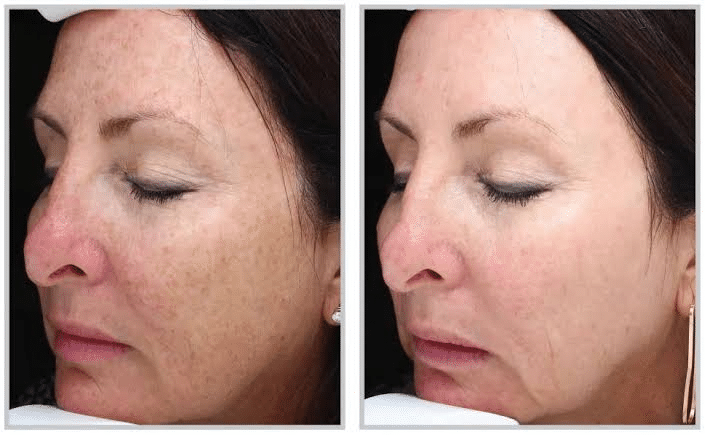
Halo is a skin quality treatment. It is commonly used for fine lines and wrinkles, acne scarring, uneven tone and texture, enlarged pores, age spots, sun spots, and other pigment irregularities. Many people also use it for crepey skin and mild laxity. It can help with discoloration left behind by old acne and may improve the look of melasma, although melasma always needs a careful, conservative plan.
The face is the most common area, but the neck and other areas of the body can be treated as well. Because Halo uses hybrid technology, it can be suitable for a range of skin types and tones, including darker skin tones. Your provider will confirm your candidacy at a consultation.
What Recovery Actually Looks Like
This is the part people most want to know about, and it helps to be realistic. For the first few days, the skin looks red and feels warm, similar to a sunburn. The warmth right after treatment usually lasts two to three hours. Swelling is common and tends to peak within 48 to 72 hours.
Around days two and three, small brown dots appear across the treated area. These are tiny bits of treated pigment working their way out, and they are a normal part of healing. They should not be picked or scrubbed off. Mild peeling follows, and most of the visible recovery wraps up within five to seven days. Many people return to work within one to four days, depending on how comfortable they are with some redness.
Aftercare is simple but important. On the first day, an occlusive medical-grade moisturizer protects the skin. For the rest of the week, patients use a gentle cleanser and moisturize often, and daily broad-spectrum SPF 30 begins on day two. Sleeping with the head raised on an extra pillow for a few nights and using a cold compress can help with swelling. Aggressive exfoliation and sun exposure should be avoided for two weeks, and injectables can generally resume two weeks after treatment.
When Results Show Up
Early results often appear one to two weeks after treatment, once the skin has finished peeling. Tone looks more even, pores look smaller, and the skin feels smoother. The improvement does not stop there. Because Halo also stimulates the deeper layers, many patients continue to see changes for three months and beyond.
One treatment can produce a noticeable difference for many people. Some choose a series, spacing sessions at least four to six weeks apart, and many plan a yearly treatment to maintain their results.
Why Fall and Winter Work Well in Minnesota
Minnesota’s seasons make Halo planning fairly easy. Summer brings long days on the lake, patio dining, and plenty of sun, which is not ideal when your skin needs two weeks of careful sun avoidance after treatment. Fall and winter, on the other hand, offer shorter days, more time indoors, and a natural cover for a week of healing. Many people in the Twin Cities book Halo in October or November and are through recovery before the holidays, or schedule a session in January to reset their skin after the summer and fall.
If you do have a treatment in warmer months, it is still possible. It just means being strict about SPF, hats, and shade.
Choosing a Halo Provider Near Minneapolis
The Halo name refers to a specific Sciton device, so it is fair to ask any clinic to confirm that is what they use. Ask who performs the treatment and what their laser experience looks like. A good consultation should cover your skin type, your history with pigment, any recent sun exposure, and whether a pairing such as a BBL photofacial or a series of other treatments would serve you better.
In the south metro, Skin Rejuvenation Clinic in Edina offers the Sciton Halo. The practice was founded by physicians Elizabeth Hagberg, MD and Mark Hagberg, MD, and sits at 3601 Minnesota Drive, Suite 100, Edina, MN 55435, with a phone line at 952-920-6545. Halo is offered there alongside Forever Young BBL, Moxi laser, Genius radiofrequency microneedling, PRF, and injectables, which allows a treatment plan to be built around the patient instead of a single device.
Frequently Asked Questions
Does Halo laser treatment hurt?
Numbing cream is applied before treatment, and most people describe the sensation as prickling. Comfort varies from person to person. Some clinics also offer nitrous oxide or a mild relaxing medication for patients who want extra support.
How much downtime should I plan for?
Plan on five to seven days of visible healing, with redness, some swelling, small brown dots, and light peeling. Many people return to work within one to four days.
How many Halo sessions do I need?
Many people see a meaningful change after one treatment. If more are recommended, sessions should be spaced at least four to six weeks apart, and a yearly treatment can help maintain results.
Can Halo be done on darker skin tones?
Halo’s hybrid technology can make it suitable for a range of skin tones, including darker skin. A consultation is still important, because settings and aftercare should be tailored to your skin.
When is the best time of year to get Halo in Minnesota?
Fall and winter are popular because sun exposure is easier to avoid during the two weeks after treatment. Treatment in summer is possible with strict sun protection.