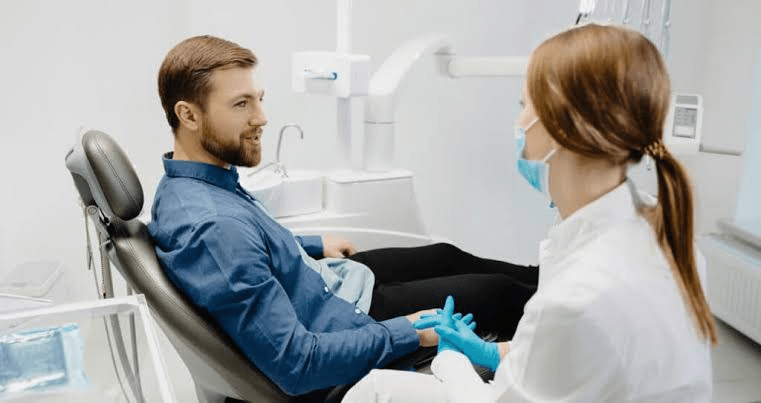
When Is a Dental Problem Serious Enough to Require Emergency Care?
Dental pain rarely announces itself at a convenient moment, and figuring out whether it can wait is often the first real challenge. Some problems are minor enough to hold until a scheduled visit. Others carry risks that make waiting genuinely dangerous.
Permanent tooth loss, deep-seated infection, and nerve damage are all possible consequences of delayed care. Knowing which symptoms demand immediate attention and which ones can reasonably wait is a skill worth having long before a crisis arrives.
Signs That Point to a Dental Emergency
Certain symptoms remove most of the guesswork. A sudden, severe toothache, particularly one that disrupts sleep or spreads toward the jaw, ear, or neck, is rarely a coincidence. It usually indicates a problem beneath the surface. Swelling in the gums, cheek, or jaw deserves equal concern. That kind of visible inflammation often means an abscess is forming, and bacterial infections in the mouth can travel to surrounding tissue with surprising speed.
Anyone dealing with escalating mouth pain should explore emergency dental Las Vegas options rather than waiting days for a routine appointment. Early evaluation changes outcomes in a meaningful way, especially when infection or physical trauma is part of the picture.
Putting off care by even 24 to 48 hours can allow a manageable condition to become something requiring far more involved treatment. Trauma follows the same urgency. A knocked-out, cracked, or loosened permanent tooth has the best chance of preservation when you see a dentist within the first hour.
Conditions That Can Usually Wait
Not every dental concern calls for same-day attention. A mild toothache that stays consistent without worsening, a minor chip that causes no pain, or a displaced filling without sensitivity can generally hold until a standard appointment opens up. Over-the-counter dental cement offers a reasonable short-term fix for exposed areas in the meantime.
Bleeding gums after flossing, small canker sores, and mild cold or heat sensitivity are worth addressing at some point, but none of these situations requires urgent care. Scheduling within a week or two is usually sufficient.
When to Watch Symptoms Closely
A few situations resist easy categorization. Swelling that appears suddenly but feels mild, a broken tooth with a jagged edge, or a partially dislodged crown can each escalate without much warning. Watching carefully for a few hours is reasonable, but the threshold for taking action should remain low.
Fever appearing alongside any oral symptom, intensifying pain, or swelling that visibly grows over a short period shifts the situation into emergency territory without question.
Common Types of Dental Emergencies
Abscessed Tooth
An abscess develops when bacteria penetrate deep into a tooth or the tissue surrounding it. The signs tend to be unmistakable: a persistent, throbbing ache, swollen lymph nodes, fever, and sometimes a small pus-filled bump on the gum. Left untreated, the infection can reach the bloodstream and create health complications that extend well beyond the mouth.
Knocked-Out Tooth
Time is the critical factor with a dislodged tooth. Reimplantation is most likely to succeed when a person reaches a dentist within 30 to 60 minutes of the injury. Keeping the tooth moist during transit, stored in milk or saline solution, gives it the best chance of surviving until a professional can assess it.
Severe Dental Trauma
Facial impacts from falls, accidents, or collisions can fracture teeth, damage the jawbone, or injure soft tissue in ways that are not immediately visible. Initial pain levels can be misleading. Dental imaging often reveals internal damage that a surface inspection would miss entirely, which is why professional evaluation matters even when the injury seems minor at first glance.
Lost or Broken Dental Restoration
A crown, bridge, or filling that comes loose exposes the underlying tooth to bacterial contact and physical pressure. The discomfort may start out mild, but sharp edges cutting into the tongue or cheek, or any meaningful spike in sensitivity, are clear signals that waiting is not the right call.
How to Prepare Before Reaching the Clinic
A few practical steps before leaving home can prevent the situation from worsening. A gentle warm saltwater rinse cleans the area without causing additional irritation. Holding a cold compress against the outside of the face reduces swelling and provides some relief. One common mistake worth avoiding: placing aspirin directly on gum tissue. It does not reduce pain at the source and can cause localized chemical burns.
Storing a dental provider’s contact details somewhere accessible removes one obstacle from an already stressful situation.
Conclusion
Identifying a dental emergency involves clearly recognizing a specific set of signals: pain that will not settle, visible trauma, swelling in the face or jaw, and any indication of spreading infection. Responding to those signals promptly protects the tooth and the person’s overall health in equal measure.
For anyone unsure whether something qualifies as urgent, the more cautious instinct is almost always the correct one. Getting care sooner is rarely a mistake. Often, it is precisely what determines how well and how fully a person recovers.