When a Bike Ride Doesn’t Go as Planned: Common Road Situations Cyclists Should Be Ready For
Every ride on two wheels brings a distinct sense of freedom, but urban environments present unpredictable road variables that test even the most experienced riders. Over 900 bicycle crashes occur every day across major urban transport corridors in the US, making situational awareness and defensive positioning vital for every cyclist. Knowing how to handle sudden vehicle maneuvers, sudden car doors opening into bike lines, mechanical hazards, and high-risk intersections can mean the difference between an uncomfortable near-miss and a severe trauma incident.
When an unexpected incident happens on the road, knowing how to react instantly protects both your body and your legal rights. This guide details real-world traffic hazards, immediate post-crash protocols, and essential steps to manage the aftermath effectively.
Navigating High-Risk Urban Road Scenarios
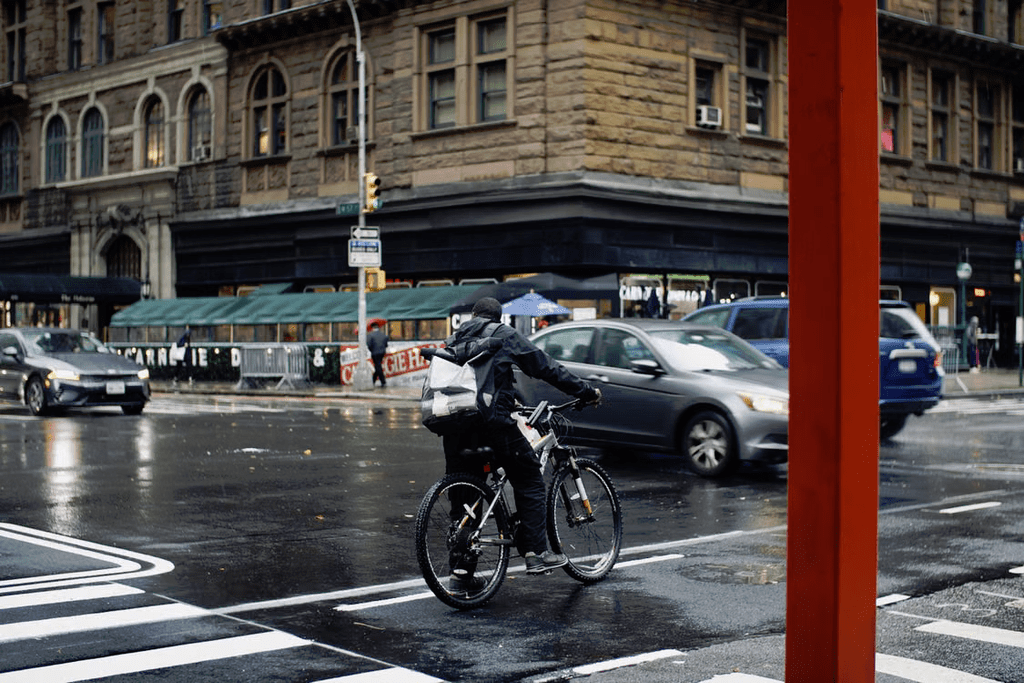
City traffic demands proactive hazard recognition long before an obstacle blocks your line of sight, as well as an understanding of common street signs. Drivers routinely misjudge bicycle speeds or fail to check side mirrors before making sudden maneuvers, leaving cyclists minimal time to react.
Dooring in Marked Bike Lanes
Riding past a line of parked cars requires constant vigilance for occupants exiting their vehicles without looking behind them. Traumatic impacts from unexpected vehicle door deployment frequently inflict severe secondary injuries by launching riders into active traffic lanes.
To protect yourself, ride at least three feet from parked vehicles, even if it forces you to ride near the outer edge of a designated bike lane. Observational research on urban bicycle collisions indicates that dooring incidents constitute roughly 15.2% of all urban bike-vehicle crashes. Scanning from front seats through rear windshields helps you identify occupied vehicles before you reach their door-swing zone.
Vehicles Pulling Out and Right-Hook Turns
A classic right-hook collision happens when a motor vehicle overtakes a cyclist and immediately cuts across their path to execute a right turn. Drivers often assume a bicycle is moving much slower than traffic, creating an immediate collision risk.
Always avoid passing turning vehicles on the right side at intersections or driveways. When traffic conditions permit, position your bike firmly in the center of the lane when approaching intersections, forcing motorists behind you to acknowledge your presence.
Intersections and Left-Turn Failures
Intersections remain the single most hazardous point of potential conflict between bicycles and motor vehicles. Detailed accident analysis confirms that 50% of all cyclist collisions occur at roadway intersections.
Drivers turning left across oncoming traffic often fail to spot oncoming two-wheeled vehicles because of blind spots or distraction. Making eye contact with approaching drivers and keeping your hands positioned over brake levers prepares you for sudden stops.
Road Hazards and Infrastructure Failures
Not every crash involves a direct impact with another motor vehicle. Unmaintained road surfaces represent a continuous threat to bicycle stability and component integrity.
Surface infrastructure failures such as deep potholes, raised asphalt edges, and sudden road debris remain primary drivers of single-rider mechanical falls. Loose gravel, wet metal utility covers, and parallel drainage grates can easily catch a front wheel or instantly break tire traction.
When encountering compromised road surfaces, maintain a firm grip on the handlebars without locking your elbows. Avoid abrupt braking or sharp steering inputs over loose material or slick surfaces, letting your bike’s momentum carry you smoothly past the hazard.
Practical Steps Immediately Following a Collision
If an incident occurs despite your best defensive efforts, taking structured actions immediately after impact is critical for your physical recovery and legal protection.
Physical Triage and Scene Safety
Your physical well-being takes absolute priority over evaluating gear damage or debating fault. Adrenaline after an impact routinely masks serious soft tissue injuries, internal trauma, or concussion symptoms.
- Move out of active traffic lanes immediately if your physical condition allows
- Call emergency services to request both law enforcement and medical evaluation
- Avoid removing your helmet until qualified paramedics check your neck and spine
Staying calm helps you assess injuries accurately while ensuring emergency personnel arrive at the exact location.
Documenting Evidence and Identifying Witnesses
Gathering objective details at the crash site creates a reliable record of how the incident unfolded, and passing it on to local legal experts is essential. So, if you require legal support in Arizona from experienced bike crash injury attorneys then it makes sense to choose regional specialists and empower them through initial evidence collection that strengthens any future representation. The same applies in NYC and any other major city.
Take detailed photographs of vehicle positions, damaged bike components, road markings, property damage, and visible bodily injuries. Collect contact details from eyewitnesses who saw the collision occur, as unbiased third-party accounts provide crucial clarity for insurance adjusters and law enforcement officers.
Preserving Equipment and Medical Records
Avoid repairing your bicycle or disposing of damaged riding gear in the days following a collision. Broken frames, scuffed helmets, torn jerseys, and shattered accessories serve as physical proof demonstrating the force of impact.
Seek formal medical examination even if you feel capable of walking away from the scene without assistance. Follow all prescribed rehabilitation treatments and retain copies of medical bills, diagnosis summaries, and treatment plans to document the full scope of your recovery.
Managing Mechanical Failures Under Heavy Traffic Strain
A snapped chain or sudden tire blowout in dense traffic creates immediate danger before you even touch the pavement. High pedal force during steep climbs or fast accelerations can break drive chains instantly, locking your drivetrain and destroying your momentum.
When a critical mechanical failure happens, avoid slamming on your remaining brake, which can throw you off balance into adjacent lanes. Keep your handlebars straight, coast toward the right shoulder, and signal your movement to trailing drivers with a clear arm extension. Navigating back to safety requires calm bike handling, not panic movements.
Staying Prepared on Every Ride
Preparing for unpredictable traffic conditions requires a combination of high-visibility equipment, defensive riding tactics, and sharp situational awareness. Equipping your bicycle with bright front lights and rear reflectors helps motorists see you in low-light conditions.
Regularly inspect your brake pads, tire pressure, and steering components to ensure your bicycle responds predictably when emergency braking becomes necessary. Understanding your legal rights and practicing defensive lane positioning empowers you to navigate complex roadways with confidence. Check out the rest of our site for more posts that are useful for city dwellers to read in order to make the most of life in urban hubs.