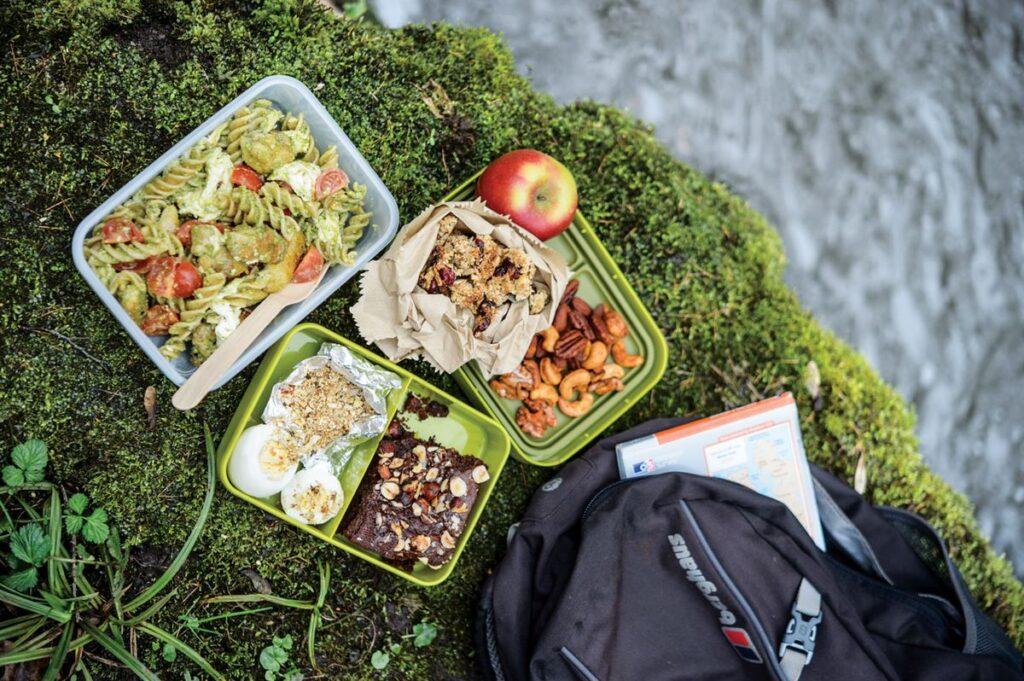
What to Pack for a Day Hike: The Best Hiking Food for the Trail
There’s nothing quite like hitting the wall halfway up a hill because you didn’t bring enough to eat. Whatever the distance or difficulty of your route, the right hiking food keeps your energy levels steady, your mood good and your legs moving. Pack the wrong things, though — too little, too heavy, or food that falls apart in your bag — and even a short walk can start to feel like hard work.
Good hiking food doesn’t need to be complicated. It should be lightweight, easy to pack, nutritious, filling, and simple enough to eat outdoors without any fuss. In this guide, we’ll cover what makes food genuinely trail-worthy, how much to bring, our favourite options for snacks and lunches, what to leave at home, and — for anyone training for an award — a dedicated look at the best D of E meals for a Duke of Edinburgh expedition.
What Makes Good Hiking Food?
Not every packed lunch translates well to a rucksack. Before you fill yours, it helps to know what you’re looking for:
- High in carbohydrates – for the readily available energy your muscles need on the move.
- A good source of protein and healthy fats – to keep you fuller for longer and support muscle recovery.
- Lightweight and compact – every gram counts once you’re a few miles in.
- Easy to eat without preparation – no one wants to be cooking at the side of a path.
- Resistant to damage in a rucksack – it should survive being squashed, jostled and sat on.
- Suited to the weather and length of the hike – think about how heat, cold or rain might affect your food.
- Easy to store safely – particularly important on warmer days when perishables spoil faster.
How Much Food Should You Take on a Day Hike?
There’s no single answer here — it depends on the distance, terrain, how long you’ll be out, and your own energy needs. Steep or technical terrain burns more calories than a flat, well-maintained path, and cold weather can increase your appetite too.
Rather than relying purely on planned meal stops, it’s worth grazing on snacks throughout the day to keep your energy levels steady rather than letting them dip and spike. Always pack a bit more than you think you’ll need. Hikes take longer than expected more often than they don’t, whether that’s due to a wrong turn, tired legs, or simply stopping to enjoy the view. And don’t forget hydration — eating enough only gets you so far if you’re not drinking enough water alongside it.
Best Hiking Food Ideas for the Trail
Energy-Boosting Snacks
These are your go-to items for regular top-ups throughout the day:
- Trail mix
- Nuts and seeds
- Dried fruit
- Energy bars
- Cereal bars
- Flapjacks
- Dark chocolate
They’re compact, don’t need refrigeration, and provide a useful mix of quick and slow-release energy.
Easy Lunch Options
For your main midday stop, look for something a little more substantial but still simple to eat:
- Sandwiches and wraps
- Tortilla wraps with suitable fillings (think hummus, cheese, or cured meats)
- Pasta or couscous salads
- Crackers with cheese
- Filled pitta bread
These all travel well and don’t require any preparation once you’re out on the trail.
Foods for Longer or More Demanding Hikes
Longer routes or more strenuous terrain call for a bit more planning:
- High-energy snacks with a higher calorie density
- Foods combining carbohydrates, protein and fats for sustained energy
- Compact meals that can be eaten cold, or made with just hot water
- A mix of sweet and savoury options, since variety helps prevent appetite fatigue — eating the same thing over and over becomes surprisingly unappealing several hours into a walk.
What to Pack for a Day Hike
A simple checklist to run through before you head out the door:
- Main meal
- Snacks for the day
- An emergency food reserve
- Water or a hydration system
- Reusable food containers or bags
- Cutlery, if needed
- Napkins or tissues
- A rubbish bag to take waste home
- A flask for a hot drink (optional, but always welcome)
Hiking Food: What to Avoid
A few things are best left in the kitchen cupboard:
- Heavy or bulky meals – they add unnecessary weight for little benefit.
- Foods that spoil quickly – especially risky on warm days without refrigeration.
- Messy foods – anything awkward or fiddly to eat outdoors, particularly in wind or rain.
- Foods with excessive packaging – more weight to carry and more rubbish to bring home.
- Anything prone to melting, leaking or crushing – chocolate bars in direct sun and soft fruit at the bottom of a rucksack rarely end well.
Best D of E Meals for a Duke of Edinburgh Expedition
Duke of Edinburgh expeditions bring their own food challenges. Participants are usually carrying everything they need for the whole trip on their backs, often across multiple days, so D of E meals need to be lightweight, practical, and capable of delivering enough energy for a genuinely demanding day on foot.
A good D of E meal ticks several boxes at once: it’s high in calories relative to its weight, quick to prepare (usually with just boiling water), and won’t spoil without refrigeration. Some reliable options include:
- Lightweight dehydrated meals – specifically designed for hiking and camping, these are compact and just need hot water.
- Instant pasta and noodles – quick, filling and easy to vary with added extras like cheese or dried vegetables.
- Couscous-based meals – lightweight, fast to cook and easy to pack extra flavour into.
- Rice dishes – particularly quick-cook or instant varieties.
- Oat-based breakfasts – porridge sachets are a D of E staple for good reason: warming, filling and easy to prepare.
- High-energy snacks – the same trail mix, cereal bars and dried fruit useful for day hikes apply here too.
- Hot drinks and hydration – tea, coffee or hot chocolate sachets are a small luxury that can make a real difference to morale, alongside plenty of water throughout the day.
The key is balancing weight, nutrition and convenience — carrying an army’s worth of food isn’t practical, but under-packing risks running low on energy exactly when it’s needed most. It’s also well worth testing meals at home before the expedition itself. Discovering a dehydrated meal doesn’t agree with you, or that a stove takes longer than expected, is far better learned in the garden than halfway up a hillside.
A sample day’s food for a D of E participant might look like:
- Breakfast: Porridge sachet with dried fruit, plus a hot drink
- Packed lunch: Pitta bread with cheese or cured meat, crackers, and a handful of nuts
- Evening meal: Dehydrated meal or instant pasta with added protein
- Snacks: Cereal bars, trail mix and dried fruit spread across the day
How to Pack Food for a Hike
How you pack matters almost as much as what you pack:
- Use resealable bags or lightweight containers to save space and weight.
- Keep food organised so you’re not rummaging through your entire rucksack for a single snack.
- Pack snacks in an easily reachable spot — a side pocket or hip belt pouch works well.
- Protect anything crushable by packing it near the top or padding it with softer items.
- Keep rubbish and used packaging contained in a separate bag as you go.
- Factor in the weather — hot days may call for extra care with anything that could melt or spoil.
Sample Day Hike Food Plan
For a typical full day on the trail, your food might be spread out something like this:
- Breakfast: A filling meal before setting off, such as porridge or toast
- Mid-morning snack: A handful of trail mix or a cereal bar
- Lunch: A sandwich or wrap with a side of crackers and cheese
- Afternoon snack: Dried fruit, nuts, or a flapjack
- Emergency snack: A chocolate bar or energy bar kept in reserve
- Meal after finishing: A proper meal once you’re back, to help with recovery
Final Thoughts
Choosing the right hiking food doesn’t need to be overcomplicated. Stick to options that are lightweight, nutritious, easy to eat without preparation, and suited to the length and demands of your route. Pack a little more than you think you’ll need, keep snacks easily accessible, and always factor hydration in alongside your food.
Whether you’re heading out for a straightforward day hike or preparing your D of E meals for an expedition, a bit of planning goes a long way. Get your food sorted before you leave the house, and you’ll have far more energy — and far more enjoyment — once you’re out on the trail.