What to Know About Chevy Tire and Suspension Choices Before Buying
Tires and suspension systems play an important role in how a Chevrolet vehicle performs, handles different road surfaces, and keeps passengers comfortable. Whether considering a sedan, SUV, or pickup truck, buyers should look beyond exterior styling and engine specifications to understand how these components affect everyday driving. Tire design influences traction, braking, road noise, and handling, while suspension components help absorb bumps and maintain vehicle stability. Drivers exploring options through Chevy Oklahoma can benefit from comparing these features before deciding which Chevrolet model and configuration best match their needs.
Understand Why Tire Choices Matter
Tires are the only parts of a vehicle that make direct contact with the road. Their design affects acceleration, cornering, braking, ride comfort, and overall control. Choosing the right tire type is therefore essential when evaluating a vehicle.
Different Chevrolet models come with tires selected to complement their weight, power, suspension design, and intended use. A passenger car designed for commuting may use tires that prioritize quiet operation and efficiency, while a pickup intended for varied terrain may offer more rugged options.
Buyers should consider where they drive most often. City streets, highways, gravel roads, and off-road trails create different demands. Understanding these conditions helps determine which tire characteristics will be most useful.
Compare All-Season, All-Terrain, and Performance Tires
All-season tires are designed to provide balanced performance across many ordinary driving conditions. They can be suitable for drivers who primarily travel on paved roads and want a practical option for year-round use in moderate climates.
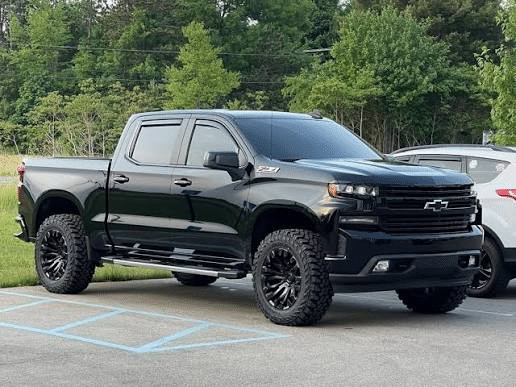
All-terrain tires are commonly available for trucks and SUVs. Their tread patterns are designed to provide traction on a wider range of surfaces, including gravel, dirt, and some off-road terrain. They may produce more road noise or wear differently than highway-focused tires.
Performance tires are designed to support responsive handling and grip, particularly in demanding driving situations. They may have lower-profile sidewalls and specific tread compounds. However, some performance tires are not suitable for cold weather, snow, or icy roads.
Winter tires are another consideration for drivers who regularly encounter severe winter conditions. Their specialized compounds and tread designs are intended to improve traction in cold temperatures and on snow-covered roads.
Check Tire Size and Specifications
Tire size is more than a measurement of width or overall diameter. The markings on a tire sidewall provide information about its dimensions, construction, load capacity, and speed rating.
When comparing Chevrolet vehicles, check the recommended tire specifications listed on the driver’s door-jamb label and in the owner’s manual. Using the correct size and suitable specifications helps preserve the vehicle’s intended handling and performance.
Load ratings are particularly important for pickup owners who regularly carry equipment or transport heavy cargo. Speed ratings should also match the vehicle’s requirements.
Avoid choosing replacement tires based only on appearance or price. An incorrect tire and wheel combination can affect ride quality, handling, clearance, and vehicle systems. Ask about manufacturer-approved options before making changes.
Evaluate Suspension Design and Ride Comfort
The suspension system connects the vehicle’s wheels to its frame or body and helps manage movement over uneven surfaces. It works with springs, shock absorbers or struts, control arms, and other components to support stability and comfort.
Different Chevrolet vehicles use suspension designs suited to their intended purposes. Passenger cars and many SUVs use independent suspension arrangements that allow individual wheels to respond to road irregularities. Many trucks use suspension configurations designed to balance passenger comfort with hauling and towing demands.
The best setup depends on how the vehicle will be used. A driver who primarily commutes on paved roads may prefer a smoother ride, while someone who frequently travels on rough surfaces may prioritize durability and additional capability.
Consider Suspension Features for Trucks and SUVs
Chevrolet trucks and SUVs serve a variety of purposes, so suspension capability deserves particular attention.
A Silverado used for regular commuting may benefit from a suspension setup that balances everyday comfort with practical truck capability. Buyers who frequently haul materials or tow trailers should also consider how the suspension supports the vehicle under load.
Off-road-oriented configurations may include specialized suspension tuning, increased ground clearance, and components designed for uneven terrain. These features can be useful for drivers who regularly leave paved roads, but they may create a different ride experience during ordinary highway travel.
SUV shoppers should compare how different models handle bumps, corners, and changes in road surfaces. A test drive can reveal whether the suspension feels appropriately comfortable and controlled.
Look at Wheel Size and Its Effect on Driving
Wheel size can influence a vehicle’s appearance, handling, and ride comfort. Larger wheels often accommodate lower-profile tires, which can create a sportier appearance and more direct steering response.
However, tires with shorter sidewalls generally provide less cushioning against sharp bumps and road imperfections. They may also be more vulnerable to damage from potholes or rough surfaces.
Smaller wheel configurations with taller tire sidewalls can offer additional cushioning in certain applications. The ideal choice depends on the model’s engineering, tire specifications, and driving conditions.
Compare the available factory wheel options rather than assuming that the largest wheels provide the best overall experience. Comfort, durability, and replacement costs should all be considered.
Inspect Tire Condition When Buying a Pre-Owned Chevrolet
When purchasing a used Chevrolet, inspect the tires carefully. Uneven tread wear may indicate alignment problems, improper inflation, suspension wear, or inconsistent maintenance.
Look for cracks, bulges, cuts, exposed cords, and objects embedded in the tread. Check the tire manufacturing date and ask whether the tires have been replaced during the vehicle’s ownership.
Also review the condition of the spare tire, if equipped. A vehicle with worn tires may require an immediate replacement expense, which should be included in the purchase budget.
A professional inspection can help identify issues that are difficult to notice during a brief walkaround. It can also provide a clearer understanding of whether the tires and suspension need attention.
Pay Attention to Alignment and Suspension Maintenance
Proper wheel alignment helps the tires maintain the intended contact with the road. When alignment is incorrect, a vehicle may pull to one side, steering may feel unusual, or tires may wear unevenly.
Suspension components also require attention over time. Worn shocks, struts, bushings, ball joints, or other parts can affect ride comfort, steering response, and stability.
During a test drive, listen for clunking or squeaking sounds when traveling over bumps. Notice whether the vehicle continues bouncing excessively after uneven pavement or feels unstable through turns.
Ask about maintenance records and previous suspension repairs when evaluating a used vehicle. Addressing problems early can help prevent additional wear and maintain predictable handling.
Match Tire and Suspension Choices to Your Driving Habits
The most suitable combination depends on how you expect to use the vehicle. Commuters may prioritize quiet tires, comfortable suspension tuning, and efficient everyday performance. Families may value a smooth ride and dependable handling on highways and local roads.
Truck owners may need tires and suspension components suited to hauling, towing, or occasional off-road travel. Drivers who regularly encounter gravel or rough surfaces may benefit from a more rugged configuration.
Consider your typical routes, passenger needs, cargo requirements, and local weather conditions. These factors provide a practical basis for comparing available Chevrolet models and equipment packages.
Take a Test Drive Before Making a Decision
A test drive helps reveal how tires and suspension work together. Drive over different road surfaces when possible and pay attention to steering response, braking, road noise, and how the vehicle absorbs bumps.
If you are comparing multiple models, try to drive them under similar conditions. This makes differences in ride quality and handling easier to recognize.
Ask which tire options and suspension features are included in each configuration. Understanding standard and optional equipment can help prevent surprises after purchase.
Conclusion
Choosing the right Chevrolet involves understanding how tires and suspension influence comfort, traction, handling, and durability. Tire type, size, wheel selection, suspension design, and maintenance history all deserve attention before making a purchase. The best combination depends on whether the vehicle will primarily serve commuting, family transportation, hauling, or off-road travel. By reviewing specifications, inspecting vehicle condition, and taking thorough test drives, buyers can select a Chevrolet that delivers a comfortable and dependable driving experience.