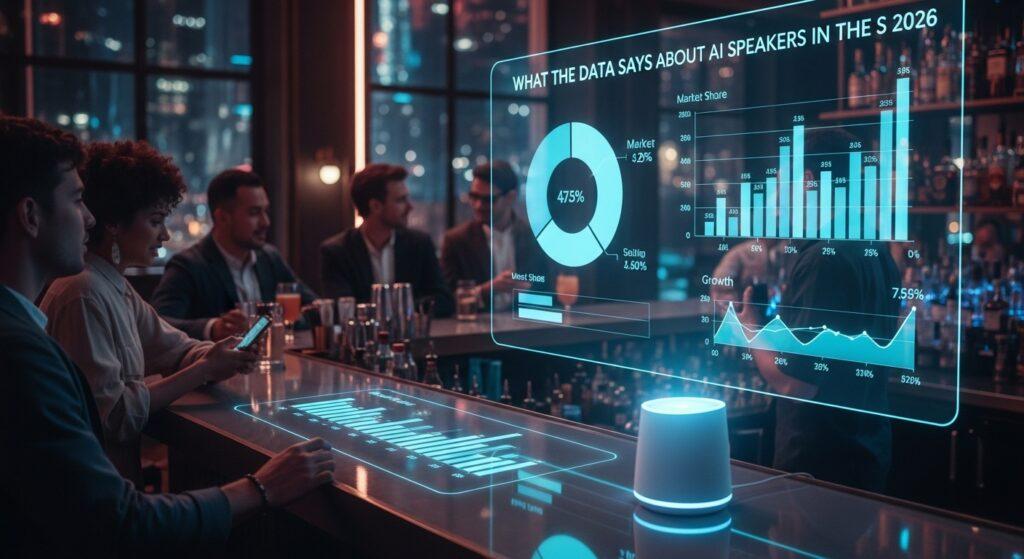
What the Data Says About AI Speakers in the US 2026
The rise of artificial intelligence has reshaped how people interact with technology in their daily lives, and smart speakers have become one of the most visible examples of this shift. In 2026, AI-powered speakers are no longer just convenient gadgets for playing music or checking the weather. They have evolved into central hubs for communication, productivity, home management, and even personalized assistance. Looking closely at current data reveals not only how widely these devices are used across the United States, but also how consumer behavior continues to change alongside advancements in AI. Insights into AI deployment in 2030 indicate that these devices are just the beginning of a more deeply integrated AI ecosystem that will extend into homes, workplaces, and public spaces.
Widespread Adoption of AI Speakers in US Households
One of the most notable insights from recent data is the sheer penetration of AI speakers in American households. Adoption rates have steadily climbed over the past few years, and in 2026, a significant majority of homes now own at least one smart speaker. Many households have multiple devices placed in different rooms, creating a connected ecosystem that allows users to interact with AI seamlessly throughout their day. This widespread adoption highlights how these devices have moved from being a novelty to becoming a necessity in modern living.
Expanding Use Cases Beyond Basic Tasks
Initially, most users relied on AI speakers for basic functions such as playing music, setting alarms, or answering simple questions. However, the latest findings show a shift toward more complex interactions. Users are now relying on AI speakers for managing schedules, controlling smart home devices, making purchases, and even assisting with work-related tasks. This change reflects growing trust in AI systems and their ability to deliver accurate and helpful responses in real time.
The Rise of Voice Commerce
Voice commerce is also playing a significant role in shaping the AI speaker landscape. Data from 2026 indicates a steady increase in consumers using voice commands to shop online. While this trend is still developing, it is clear that convenience is the driving factor. Users appreciate the ability to reorder products, check prices, and track deliveries without needing to open a screen. Businesses are taking note of this shift and optimizing their platforms for voice search and transactions. For a deeper understanding of how these behaviors are evolving, reviewing AI speakers statistics offers valuable insight into the patterns driving voice-driven commerce.
Influence of AI on Presentations and Communication
The influence of AI extends beyond devices and into broader communication trends. The way audiences engage with voice-driven technology is closely tied to how they respond to human speakers and presenters discussing AI. Insights drawn from AI keynote speaking trends show a growing demand for clear, data-backed narratives that explain how AI integrates into everyday life. Professionals in tech conferences, corporate training, and public forums are leveraging these insights to craft presentations that resonate with increasingly tech-savvy audiences.
Privacy and Security Considerations
Privacy and security remain key concerns among users, and the data reflects a nuanced perspective. While many consumers express concerns about data collection and voice recordings, the majority continue to use AI speakers regularly. This suggests that the perceived benefits often outweigh the risks for most users. At the same time, manufacturers have responded by introducing more transparent privacy controls, giving users greater control over their data. Features such as voice recognition, data encryption, and customizable privacy settings have helped build trust and encourage continued adoption.
Demographics and User Behavior
Demographics also play an interesting role in understanding AI speaker usage. Younger users tend to adopt new features more quickly and are more likely to integrate AI speakers into multiple aspects of their daily routines. Meanwhile, older users often start with basic functionalities but gradually expand their usage as they become more comfortable with the technology. This gradual learning curve indicates that AI speakers are becoming more user-friendly and accessible to a broader audience.
Integration with Smart Home Systems
The integration of AI speakers with other smart devices is another major factor contributing to their growth. In 2026, smart homes are more interconnected than ever. AI speakers serve as the central command system, allowing users to control lighting, security systems, thermostats, and appliances through simple voice commands. This level of integration not only enhances convenience but also improves energy efficiency and home security. The data shows that households with fully integrated smart systems report higher satisfaction levels and increased reliance on their AI devices.
Entertainment and Interactive Experiences
Entertainment remains a core function of AI speakers, but it has evolved significantly. Users are no longer limited to streaming music or podcasts. Many AI speakers now support interactive content such as games, storytelling, and personalized recommendations based on user preferences. This shift has transformed these devices into versatile entertainment platforms that cater to individual tastes and habits.
Opportunities for Businesses
From a business perspective, AI speakers present new opportunities for engagement and marketing. Brands are exploring ways to connect with consumers through voice interfaces, whether by creating voice apps, optimizing content for voice search, or integrating with existing AI ecosystems. The data suggests that businesses that adapt to this trend early are more likely to capture consumer attention and build lasting relationships. Looking ahead, understanding AI deployment in 2030 provides additional perspective on how these trends may evolve in the next decade. Analysts project that AI will become more predictive and autonomous, integrating deeply into both personal and professional environments. This suggests that insights from current AI speaker usage could serve as a foundation for future applications and innovations.
Key Takeaways
- AI speaker adoption has reached a majority of US households
- Usage has expanded from basic tasks to complex, multi-functional interactions
- Voice commerce is steadily gaining traction among consumers
- Privacy concerns persist but are balanced by improved security features
- Integration with smart home systems is driving higher engagement
- Businesses are increasingly optimizing for voice-based interactions
The Future of AI Speakers
The future of AI speakers appears promising. As technology continues to advance, these devices are expected to become even more intuitive, responsive, and personalized. Improvements in natural language processing and machine learning will enable more human-like interactions, making AI speakers an integral part of everyday life. Understanding these developments, alongside trends like AI keynote speaking trends and projections for AI deployment in 2030, allows both consumers and businesses to anticipate the next phase of AI integration in society.
In conclusion, the data from 2026 paints a clear picture of how AI speakers have evolved and where they are headed. They are no longer just tools for convenience but essential components of a connected lifestyle. By examining AI speakers’ statistics, learning from AI keynote speaking trends, and considering future AI deployment in 2030, stakeholders can make informed decisions and prepare for a world increasingly shaped by AI technology.