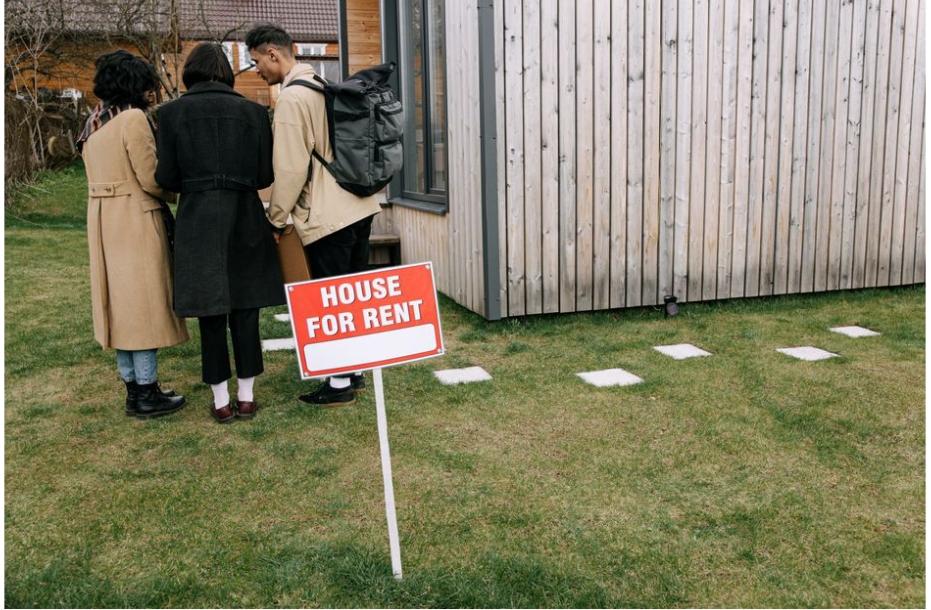
What Smart Landlords Do Before Pests Move In
A pest problem can make a nice property feel neglected fast. If you own a rental, manage a small building, or plan to sell, little warning signs matter more than you think. Bugs and rodents do not care about your staging budget or fresh paint. They show up for crumbs, water, and easy hiding spots. The good news is that you can catch a lot of issues early. A few smart habits now can save you money, stress, and some very awkward property showings later.
Start with prevention
If you wait until pests are doing victory laps across the kitchen floor, the problem is already bigger than you want. Smart owners usually think ahead. That means regular cleaning, quick repairs, and, when needed, professional pest extermination services to stop small problems from turning into tenant complaints.
Prevention matters because pests can quietly chip away at property value. A mouse in the wall is not just annoying. It can mean chewed wiring, damaged insulation, and a bad first impression for anyone touring the place. The same goes for roaches, ants, and termites.
If you manage rentals, prevention also helps protect your reputation. Tenants remember how a building feels. Clean, dry, well-kept spaces feel safe. Spaces with odd smells, droppings, or mysterious scratching sounds at night feel like a hard no.
Know the common troublemakers
Most residential pest issues come from a short list of repeat offenders. Ants are common because they are tiny, stubborn, and excellent at finding one forgotten crumb. Roaches love moisture and dark hiding spots. Rodents go where food, warmth, and shelter are easy to find.
Termites are the sneaky ones. You may not see them right away, but they can cause real damage over time. Spiders are often more creepy than costly, though a spider-heavy home may signal that other insects are around too. In the pest world, one guest often means more are on the list.
In apartments and rentals, kitchens, bathrooms, basements, and utility areas tend to be hotspot zones. Shared walls and nearby trash areas can also make things worse. That is why a quick visual check during regular maintenance is worth doing.
You do not need to be a pest detective in a trench coat. You just need to know which usual suspects show up most often.
Spot the warning signs
Pests rarely send a formal introduction. They leave clues instead. Tiny droppings under sinks, in cabinets, or near baseboards can point to rodents or roaches. Chewed food packaging in a pantry is another red flag. So are grease marks along walls where mice travel.
Strange smells can also tell a story. A musty or oily odor in a closed area may mean pests are hiding nearby. You might hear scratching in the walls or ceilings, especially at night. That sound is never charming, even if your house is old enough to have “character.”
Watch for nests made from shredded paper or insulation. Look for mud tubes near foundations if termites are a concern. Soft or damaged wood around windows, doors, or baseboards should not be ignored.
A key rule is simple. If you spot one sign more than once, do not brush it off. Pests are good at staying hidden. What you see is often just the trailer, not the whole movie.
Fix what attracts them
Pests show up for the same reason people do. They want food, water, and a place to stay. The difference is that they are much worse at paying rent. Start with moisture. Leaky pipes, dripping faucets, damp basements, and poor ventilation create ideal conditions for bugs.
Food is the next big draw. Crumbs under appliances, pet food left out overnight, sticky trash bins, and open pantry items all make your property more inviting. Even a recycling bin with soda residue can become a bug buffet.
Small entry points matter too. Cracks around doors, torn window screens, and gaps around utility lines can be open invitations. Outside, overgrown bushes touching the house and wood piles near the foundation can give pests a nice shortcut indoors.
The good part is that many fixes are cheap. Seal gaps, clean deep corners, improve trash routines, and trim landscaping. These basic steps are not glamorous, but they work. Think of it as making your property less cozy for uninvited roommates.
Prepare between tenants
The time between tenants is your best chance to reset the property. Start with a full cleaning, not just the visible parts. Pull out the stove and fridge. Check under sinks. Open utility closets. Look in cabinets, storage corners, and basement edges where pests like to hide.
Use turnover time to seal cracks, replace worn weather stripping, and fix leaks. Check window screens and door sweeps. Inspect around water heaters, laundry hookups, and pipe openings. These spots are easy to miss and very popular with pests.
It also helps to document any past issues and what was done to address them. That way, if a problem returns, you are not guessing. You have a record and a starting point.
A simple turnover checklist can include:
- Deep cleaning appliances and cabinets
- Emptying all trash and food scraps
- Sealing gaps and repairing screens
- Checking for droppings, nests, or damage
- Treating any problem areas before move-in
That short effort can make the next lease start much smoother.
Make showings feel cleaner
When people tour a home or rental, they notice the mood before they notice the square footage. A place that smells fresh and looks well-maintained feels easier to trust. Pest signs ruin that feeling almost instantly.
Even minor issues can affect perception. A dead bug on a windowsill, stains inside a cabinet, or a strange smell near the basement steps can make visitors wonder what else has been missed. Buyers and renters may not say it out loud, but they will remember it.
This matters for listing photos too. Cluttered corners, damaged baseboards, or poorly maintained outdoor areas can hint at pest concerns even before someone walks inside. Real estate is part fact and part feeling. Pests hurt both.
If you want smoother showings, cleaner inspections, and fewer last-minute surprises, stay proactive. A property does not need to be perfect. It just needs to feel cared for. And when it comes to pests, that feeling starts long before anyone opens the front door.