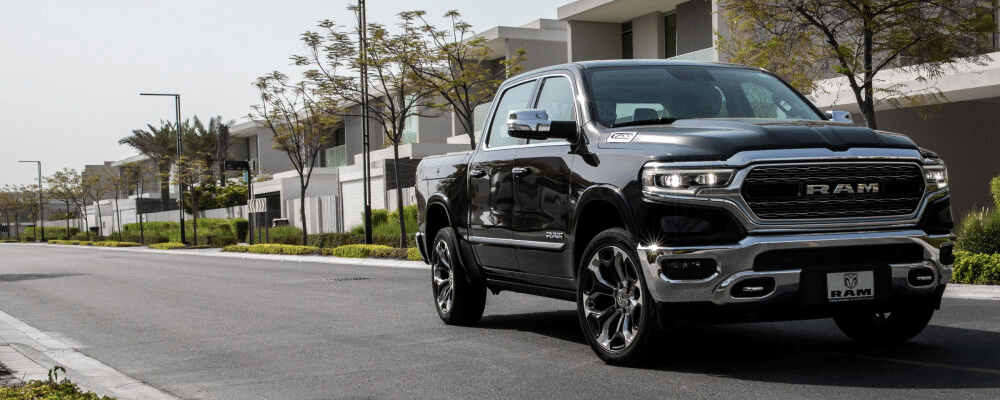
What Oklahoma Drivers Should Know About Dodge Fuel Economy and Maintenance
Owning a Dodge can offer a satisfying combination of performance, comfort, and everyday practicality. However, getting the most from any vehicle involves understanding its fuel economy and keeping up with routine maintenance. Oklahoma drivers may encounter a mix of city traffic, open highways, changing weather, and long-distance travel, all of which can influence vehicle efficiency and wear. Whether commuting to work or planning a weekend road trip, learning how to care for a Dodge can help control operating costs. Drivers researching their options can also visit a Dodge dealer in Oklahoma to explore available models and learn about ownership considerations.
Understand How Dodge Fuel Economy Varies
Fuel economy differs across Dodge models because each vehicle is designed for particular driving needs. Engine size, vehicle weight, transmission, drivetrain, and performance features all influence how much fuel a vehicle uses.
A vehicle with a powerful engine may deliver strong acceleration and towing capability, while a smaller or lighter model may be better suited to drivers who prioritize everyday efficiency. Even two vehicles with similar engines can have different fuel consumption depending on their configurations and equipment.
Before choosing a Dodge, consider how you typically drive. Daily city commuters may value efficiency in stop-and-go traffic, while drivers who frequently travel between Oklahoma communities may place greater importance on highway performance and comfort. Comparing official fuel economy estimates can help set realistic expectations.
Consider Oklahoma’s Different Driving Conditions
Oklahoma driving conditions can affect fuel consumption throughout the year. Urban areas may involve frequent stops, traffic lights, and congestion. Repeated acceleration and braking can use more fuel than maintaining a steady speed on an open road.
Highway travel often allows for more consistent driving, but excessive speed can reduce efficiency because the engine must overcome greater air resistance. Strong winds, heavy rain, and extreme temperatures may also influence fuel consumption.
Hot summers can make air conditioning especially important. Using climate controls sensibly can help balance comfort and efficiency. During colder periods, avoid extended idling to warm up the engine. Modern vehicles generally need only a short period before they are ready for normal driving.
Use Smooth Driving Habits to Save Fuel
Driving behavior is one of the easiest factors to manage when trying to improve fuel economy. Rapid acceleration, sudden braking, and unnecessary speeding can increase fuel consumption.
Instead, accelerate gradually and maintain a consistent speed whenever road conditions allow. Leave enough following distance to reduce frequent braking, and anticipate traffic signals or slowdowns. On suitable highways, cruise control can help maintain a steady pace.
Avoid leaving the engine running for extended periods when parked or waiting. Planning errands together can also reduce unnecessary trips, particularly when several destinations are close to one another. Removing heavy items that are not needed can further reduce the load your vehicle carries.
Keep Tires Properly Inflated
Tire condition and pressure have a direct effect on vehicle efficiency. Underinflated tires create additional rolling resistance, meaning the engine must work harder to move the vehicle. Incorrect pressure can also contribute to uneven tread wear and affect handling.
Check tire pressure at least once a month and before longer journeys. For an accurate reading, inspect tires when they are cold and follow the pressure listed on the vehicle’s tire information placard. Do not rely only on how the tires look.
Regular tire rotation and alignment checks are also important. Oklahoma roads can include rough surfaces, construction areas, and potholes that may affect alignment. If the vehicle pulls to one side or the tires show uneven wear, arrange an inspection.
Follow the Recommended Oil and Filter Schedule
Engine oil reduces friction between moving components and helps manage heat and contaminants. Using the correct oil grade and following the recommended replacement interval supports engine performance and long-term reliability.
Oil requirements vary by Dodge model and engine, so consult the owner’s manual rather than relying on a universal mileage recommendation. Some vehicles also have an oil-life monitoring system that helps indicate when service is needed.
Air filters deserve attention as well. A clogged engine air filter can restrict airflow and may affect performance. Inspecting and replacing filters when necessary is a straightforward way to support proper engine operation.
Pay Attention to Brakes, Fluids, and Warning Lights
Routine maintenance involves more than oil changes. Brake pads, brake fluid, coolant, transmission fluid, and other components should be inspected according to the manufacturer’s schedule.
Oklahoma’s hot weather makes cooling-system condition particularly important. Low coolant levels, damaged hoses, or a malfunctioning cooling system can contribute to overheating. Check for warning signs such as rising temperature readings, unusual smells, or visible leaks.
Dashboard warning lights should never be ignored. A check-engine light, for example, may indicate an issue involving emissions, ignition, sensors, or engine performance. Addressing problems early can help prevent more expensive repairs and avoid unnecessary fuel consumption.
Adjust Maintenance to Your Driving Routine
Not every Dodge experiences the same level of wear. Frequent short trips, heavy traffic, towing, and driving on rough roads can place additional demands on certain components.
Drivers who regularly travel long distances should check fluid levels, tire condition, lights, and wipers before major trips. Those who tow equipment should pay particular attention to the vehicle’s towing limits, tire condition, brakes, and required maintenance.
Keep service records and follow the schedule specified for your model. Consistent maintenance makes it easier to identify recurring issues and understand the vehicle’s condition over time.
Conclusion
Understanding fuel economy and following a reliable maintenance routine can help Oklahoma Dodge owners enjoy better efficiency, dependable performance, and more predictable ownership costs. Smooth driving, proper tire pressure, timely oil changes, and attention to warning signs all contribute to keeping a vehicle in good condition. By adapting maintenance to local driving conditions and following manufacturer recommendations, drivers can make informed decisions and get lasting value from their Dodge.