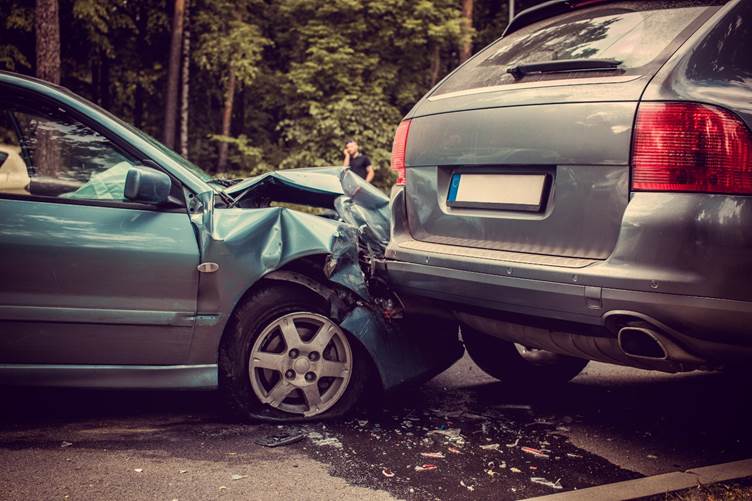
What Not to Do After a Rear-End Collision
After a rear-end collision, avoid admitting fault, delaying medical treatment, leaving without collecting evidence, or giving rushed statements to insurance companies. These common mistakes can affect your health, reduce your compensation, and make it harder to prove what happened.
Every state has its own traffic and insurance rules, which is why knowing your legal responsibilities after an accident is important. If you’ve been injured, speaking with an attorney who handles car accidents can help you understand your options before making important decisions.
Don’t Admit Fault at the Scene
Avoid making statements that could be interpreted as accepting responsibility.
Although the rear driver is often presumed to be at fault, that is not always the case. Sudden stops, defective brake lights, aggressive driving, or other unexpected circumstances can affect liability. Instead of discussing blame, simply exchange information, cooperate with law enforcement, and stick to the facts while the scene is being documented.
Don’t Delay Medical Treatment
Conditions such as whiplash, concussions, and soft-tissue injuries resulting from a rear-end crash could take hours or even days before symptoms develop.
Seeking urgent medical care protects both your health and your legal claim. Medical records create important documentation linking your injuries to the accident. This can become especially valuable if compensation is later disputed. Routine medical records may also become important evidence under Fed. R. Evid. 803(6) when proving damages.
Don’t Leave Without Collecting Evidence
If it is safe to do so, gather as much information as possible, including:
- Photos of vehicle damage
- Pictures of the roadway, skid marks, and traffic signals
- Contact details for witnesses
- Dashcam footage, if available
- The police report number
The more evidence you have, the easier it becomes to establish what actually happened.
Don’t Rush Through Insurance Conversations
Insurance companies often contact drivers shortly after an accident requesting a recorded statement.
While you should cooperate with your insurer, avoid speculating about speeds, distances, fault, or injuries. Keep your statements factual and concise until you’ve had an opportunity to fully understand the accident and any resulting injuries. Even an innocent guess can later be interpreted as an inconsistency.
Don’t Assume Rear Drivers Are Always Responsible
Many people believe every rear-end collision automatically makes the trailing driver liable. In reality, each crash must be evaluated on its specific facts.
For example, liability may be shared if the lead driver:
- Suddenly reversed
- Brake-checked another vehicle
- Had malfunctioning brake lights
- Made an unsafe or unexpected stop
In many states, following-distance laws, such as California Vehicle Code § 21703, play an important role in determining whether a driver maintained a safe and reasonable distance. However, investigators still examine all available evidence before assigning fault.
Don’t Ignore Ongoing Symptoms
Some accident victims initially feel fine because adrenaline masks pain. Ignoring headaches, neck stiffness, dizziness, numbness, or back pain can delay diagnosis and treatment.
Continue monitoring your condition in the days following the collision and follow your healthcare provider’s recommendations. Delayed treatment may not only prolong recovery but can also make it more difficult to connect your injuries to the accident.
Don’t Throw Away Important Records
Good documentation strengthens both insurance claims and potential legal cases.
Keep copies of:
- Medical bills and treatment records
- Prescription receipts
- Vehicle repair estimates
- Rental car expenses
- Photographs and correspondence with insurers
Maintaining organised records makes it easier to demonstrate the financial impact of the collision.
Final Takeaways
- Avoid admitting fault before the investigation is complete.
- Seek medical attention promptly, even if injuries seem minor.
- Collect photos, witness information, and other evidence immediately.
- Be cautious when giving insurance statements.
- Remember that liability depends on the facts of each crash.
- Keep detailed records of medical care and accident-related expenses.