
What Makes a Transport Wheelchair Easy to Store and Carry?
Picture This: you have a doctor’s appointment in an hour, the car is ready, and the wheelchair is lying in the hallway. It is not as light as you thought; it will not fold the way you hoped, and you do not know whether it will even fit in the boot. Suddenly, a simple outing feels like a puzzle you have to solve before you can leave the house.
It does not necessarily have to be so. The appropriate transport wheelchair has the capability to lift with ease, fold within seconds, and slide into a cupboard or car boot without any struggle. It all boils down to a few design details, and being aware of what to check can save time, effort, and frustration on each trip.
Here are the five factors that make a transport wheelchair easy to store and carry.
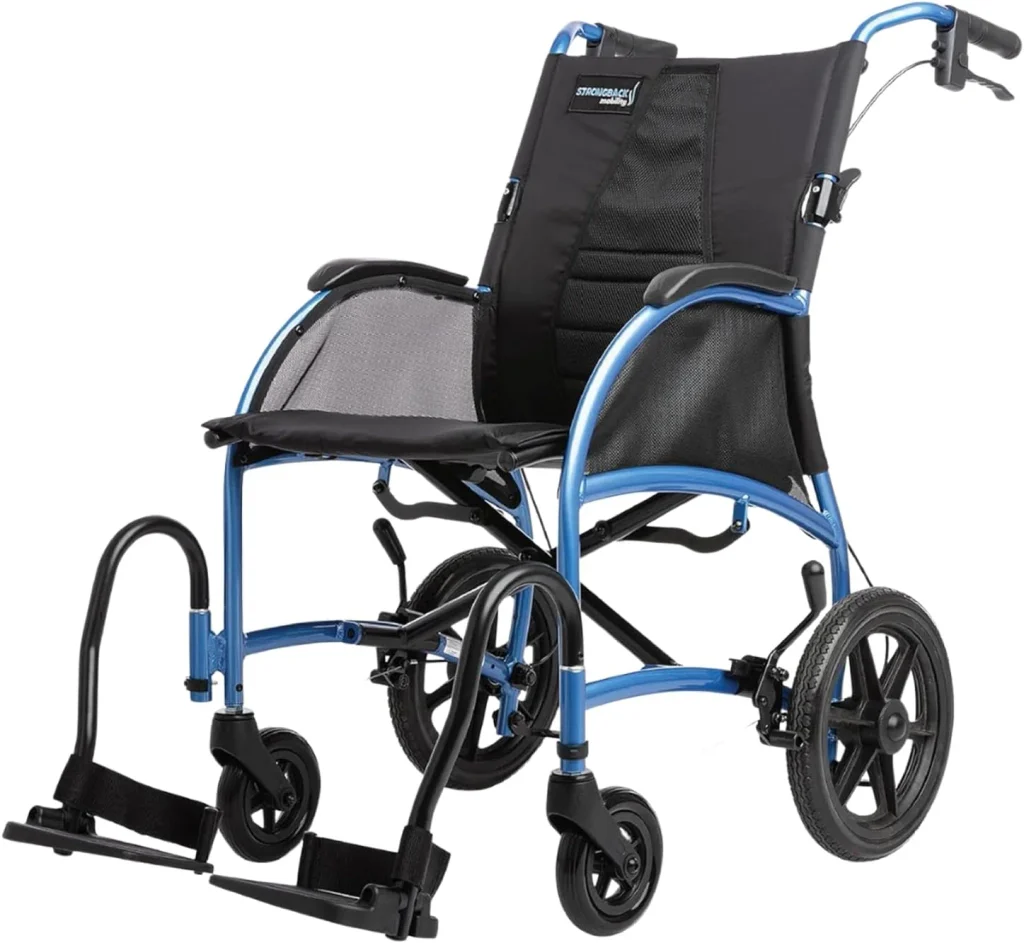
1. A Lightweight Frame
The first thing that you notice is weight when you transfer a transport wheelchair to a car or even ascend a few steps. A lighter frame means less strain, which matters most if you travel often or move the chair between locations regularly.
That said, frame material plays a big part. Aluminum models tend to be less heavy than similar steel models, but it actually depends on the design and materials. This is why you should not depend on statements such as lightweight, as they might have varying meanings depending on the model, but refer to the weight in the product specifications.
Lighter is not always better, though. Also check the weight limit and stability of the chair and consider who will move it most frequently. When the chair is being loaded into the car daily by a single individual, a weight that they will be able to comfortably handle will make the process of transporting it easier.
2. A Simple Folding Mechanism
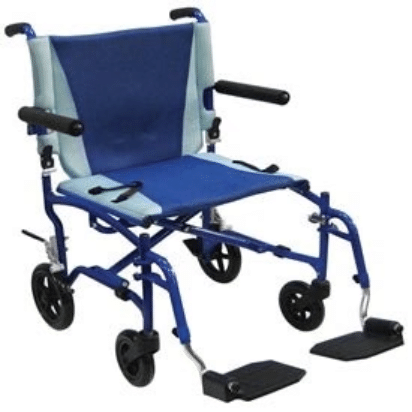
Once you have a chair you can lift, the next question is how easily it folds. Even a light wheelchair is awkward to handle if folding it means fiddling with several locks or making uncomfortable movements. With a proper mechanism that has release points and easy-to-use locks, you can pack up fast after an appointment or an outing.
Where feasible, test the mechanism prior to purchase, or have someone demonstrate it. Notice whether the frame folds smoothly and whether you could do it comfortably yourself. Never force a lock or hinge that sticks.
Security is an issue in this case as well. Read instructions on the package, use brakes prior to folding, and keep your fingers off the joints that move. After folding the chair, ensure that it is stable. A simple, reliable mechanism makes everyday handling far less stressful.
3. A Compact Folded Size
A smooth fold will only be of use when the folded chair actually fits where you require it. Portability is not just about weight: the size of the chair when folded is what decides whether you can squeeze it into your car boot, a cupboard, a corner at home, and what space you have left to pack luggage and shopping.
Before buying, measure the width, length, and height of the folded wheelchair. Then compare these figures with your boot space, including the size of the opening you will load it through. There is no use having a chair that fits in the boot but not through the opening. Do the same at home by measuring the spot where you plan to keep it, so it can be stored without blocking walkways.
4. Detachable Components
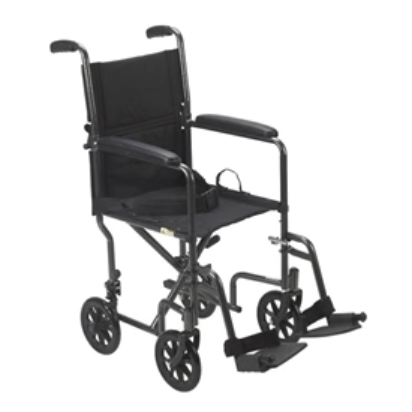
When a folded chair is still too large, removable parts can help. Some transport wheelchairs have detachable footrests, armrests, or other components that reduce the chair’s overall size and make it easier to fit into a vehicle or an irregularly shaped space.
These parts are only useful if they are easy to handle. Look for tool-free or snap-on fittings that you can remove and refit quickly, particularly if you pack the chair for travel often. Also check that the release mechanism is simple and that each part fits securely when put back.
It is worth taking a little care with the parts themselves. Lost or loose components are a safety risk, so keep them together in a separate bag or container, and make sure everything is properly reattached before each journey. Reducing the pack size should never come at the cost of the chair’s safety or proper configuration.
5. Practical Carrying Features
The final factor is how the chair feels to carry once it is folded. Features such as well-placed grip points or handles, and a carry bag where one is supplied, make lifting and moving it more comfortable. Where these details are included, they are usually listed in the product specifications, so check them alongside the weight and folded dimensions.
It also helps to consider the full routine. Think about how you will lift the chair, where you will set it down, and how you will carry it together with your other belongings. A chair that handles well in each of these steps will be much easier to live with.
6. Wheel and Backrest Design
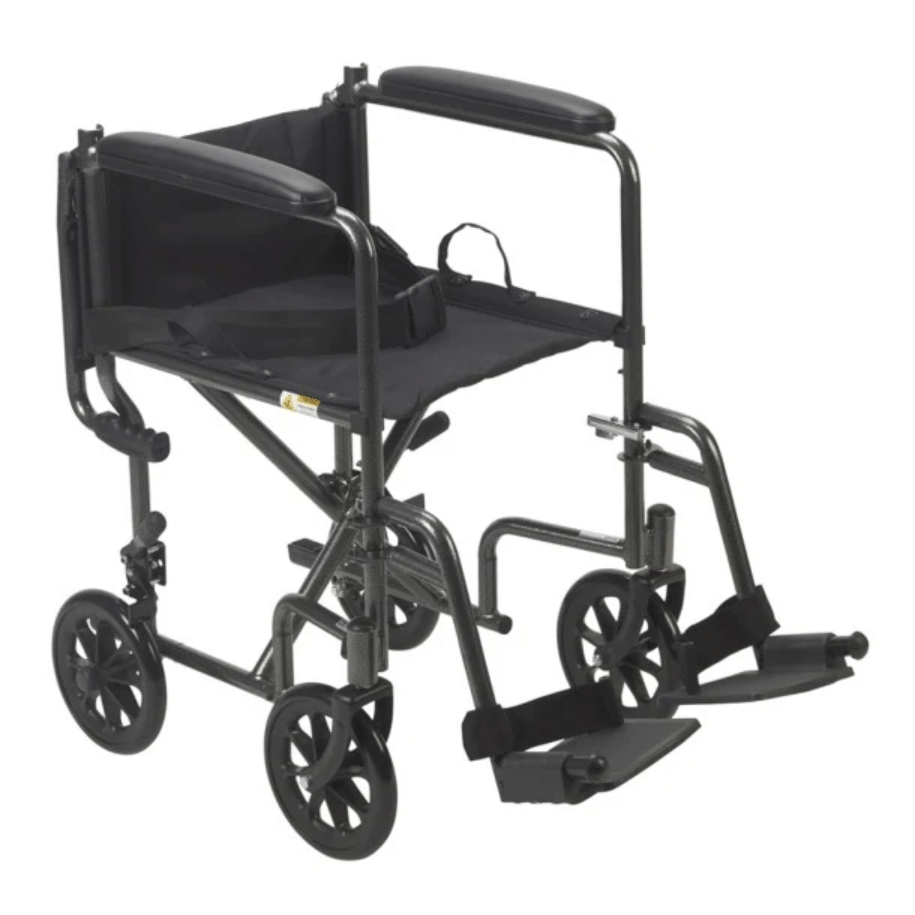
The final detail is easy to overlook: the parts of the chair that sit at its widest and tallest points. Some transport wheelchairs have a backrest that folds down, which reduces the chair’s height and makes it easier to slide into a low boot or a shallow storage space. Others have quick-release rear wheels that can be taken off when you need the chair to be as flat as possible.
These features are not available on every model, so check the product specifications to see what is included. If a chair has quick-release wheels, make sure they click on and off easily and lock firmly into place. A wheel that is not fully secured is a safety risk, so confirm it is properly attached before every journey. Keep any removed parts together with the other detachable components so nothing gets left behind.
When you compare models, look at how much these features reduce the folded height and width. Those figures will tell you whether the extra steps are worth it for your car boot or storage space.
Conclusion
A transport wheelchair is easier to store and carry when its design suits your daily routine. A light frame reduces lifting effort, a simple folding mechanism saves time, and a compact folded size makes the most of limited space. Detachable parts and practical carrying features then add convenience on top.
Before you buy, check the listed weight, measure your storage and boot space, and think about who will handle the chair most often. If you can, test the folding mechanism and compare the folded size with the space in your vehicle. These simple checks will help you choose a wheelchair that works well both at home and on the move.