What Contractors Know About Buildings That Buyers Don’t
When people tour an apartment or scope out a commercial space in New York, attention naturally goes to ceiling height, natural light, and square footage. Electrical infrastructure rarely comes up in conversation. Yet the condition of a building electrical system is one of the most consequential factors in renovation cost, permitting timelines, and long-term property value — and most buyers never think about it until something goes wrong.
The Walls Have More to Say Than the Staging
Experienced contractors can walk into a building and read it the way others read a room. They notice the age of the panel. They clock whether the existing load capacity can support modern appliances, HVAC systems, or EV chargers. They see whether the electrical infrastructure has been updated incrementally or ignored entirely. In many older urban buildings, the bones are strong, but the electrical systems are decades behind current demand. That gap between structure and systems is where renovation budgets quietly collapse.
Buyers and tenants focused on aesthetics often inherit problems that are invisible until they try to gut a kitchen, add a washer-dryer, or wire a home office. What starts as a straightforward remodel quickly turns into an electrical overhaul — new panels, updated wiring, and proper enclosures to meet code.
Why Enclosures Matter More Than People Realize
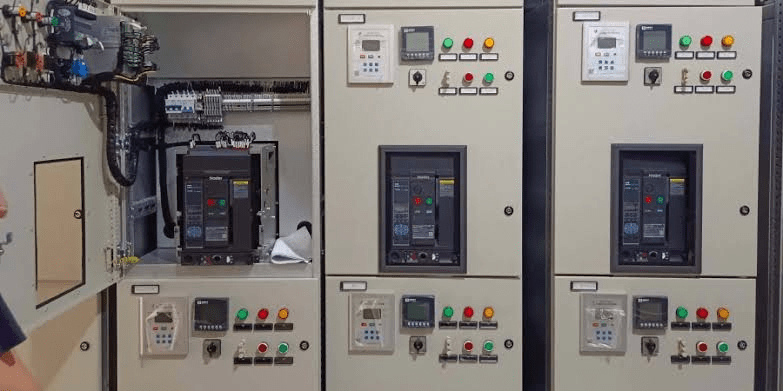
One component that rarely gets discussed outside of technical circles is the circuit breaker enclosure. These metal housings protect the circuit breakers that manage electrical distribution throughout a building. In older buildings, enclosures may be corroded, improperly rated for their environment, or missing components entirely. In industrial or mixed-use properties, the environment demands enclosures with specific ratings — for moisture, dust, or physical impact — that a standard residential setup simply cannot provide.
Facilities managers and electricians for sourcing replacements or upgrades for commercial and multi-unit residential jobs frequently turn to specialized suppliers. Circuit breaker enclosures from Essential Electric are among the options contractors rely on when they need new or recertified units that meet NEMA specifications, particularly when timelines are tight and project delays are expensive.
Getting this component right is not a cosmetic decision. An improperly housed circuit breaker in a wet or high-traffic environment creates real safety exposure and code of liability.
Where Infrastructure Meets Investment
The real estate market tends to price in what buyers can see. But seasoned investors know that the cost of electrical upgrades rarely shows up in the listing price and consistently shows up in renovation estimates. A building with a properly maintained electrical system
— functioning panels, correctly rated enclosures, adequate load capacity — gives buyers and developers room to build. A building without it forces a triage decision before the actual renovation even begins.
For commercial tenants, the calculus is slightly different but equally significant. A restaurant, medical office, or retail space requires a level of electrical reliability that puts real pressure on aging infrastructure. Buildouts fail not because of bad design but because the building cannot support the load. Understanding that upfront changes both negotiation strategy and project scope.
The Questions Worth Asking Before You Sign
Before committing to a property, whether residential or commercial, there are questions worth putting directly to the seller or building manager. When was the electrical panel last upgraded? Has the system been permitted and inspected? Are the enclosures and breakers rated for the environment and load requirements of the space?
These are not questions that require an engineering degree to ask. They are the same questions a contractor would ask on day one. The buyers who ask them earlier to save themselves the cost of learning the answers for mid-renovation.
Infrastructure is not glamorous. But in a city where square footage is expensive and renovation timelines stretch months, understanding what is inside the walls before committing to them is one of the clearest advantages a buyer can have. The contractors who move efficiently through complex projects do so partly because they understand the building before they ever touch it. That knowledge is available to anyone willing to look past the staging.