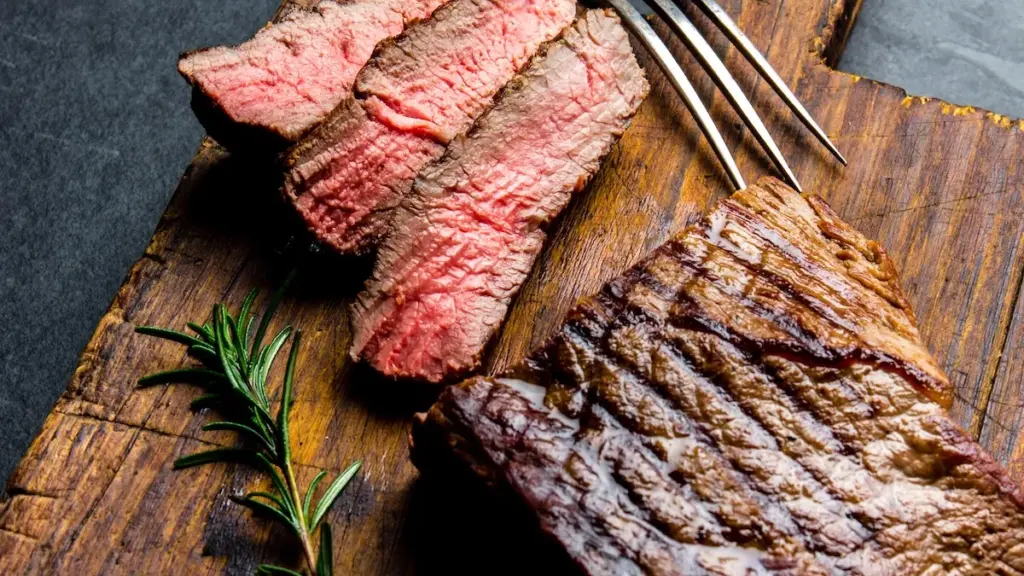
What Chefs Know About Beef That Home Cooks Don’t
Watch a serious restaurant chef work with beef and you’ll notice something. They handle it differently than most home cooks. They ask different questions when they buy it. They cook it with less anxiety and more precision. The results, unsurprisingly, show up on the plate.
What separates the two isn’t talent, technique, or expensive equipment. It’s a set of specific knowledge that chefs pick up through years of working with high volumes of beef and having to answer for every plate that goes out. Some of it is transferable to any home kitchen, once you know what to look for.
The first thing chefs know is that the ranch or program behind the beef matters more than the label on the package. Home cooks tend to shop by grade and price at the retail counter. Chefs shop by relationship. They know which purveyors deliver consistent quality, which ranches back their claims about genetics and finishing programs, and which sources produce beef that behaves the same way in the pan every single time. A restaurant that goes through fifty ribeyes a week can’t afford variability, and neither can a chef trying to keep a menu consistent. That’s why serious chefs build long-term relationships with specific suppliers rather than shopping around for the cheapest cut.
The second thing chefs know is that temperature control before cooking is at least as important as temperature control during cooking. Home cooks often pull a steak from the refrigerator and put it directly into a hot pan. Chefs let beef come to room temperature for thirty to sixty minutes before cooking, which produces much more even cooking and a better sear. Cold beef contracts unpredictably when it hits heat, which is one of the main reasons home-cooked steaks come out unevenly done. It’s a small change that produces a big difference in the final result.
The third thing chefs know is that seasoning early is a technique, not a mistake. Home cooks are often told that salting beef ahead of time draws out moisture and makes it dry. The reality, well understood in professional kitchens, is that salting an hour or more ahead lets the salt penetrate the meat and actually retain more moisture during cooking, while also improving the crust. Salting five minutes before cooking is the worst timing. Salting a full hour before is much better. Salting the night before, on a large cut like a roast, is better still. The technique is called dry brining, and it’s standard practice in restaurants for a reason.
Home cooks also tend to underestimate how much resting matters. Chefs know that pulling a steak or a roast at the right moment and letting it rest under a loose foil tent for a real amount of time (five minutes for a steak, twenty for a large roast) is what keeps the juices in the meat instead of running out onto the cutting board. Skipping this step is one of the most common ways good beef ends up disappointing on the plate.
Another thing chefs know that home cooks often miss is that the cut matters as much as the grade. A well-marbled Choice ribeye from a good ranch will outperform a poorly-marbled Prime sirloin almost every time. Chefs think about beef in terms of specific cuts and how they’ll behave under specific cooking methods, not just in terms of grade categories. A hangar steak, a coulotte, a chuck flap tail — these are cuts most home cooks skip entirely but that chefs love because they deliver enormous flavor at a fraction of the ribeye price.
There’s also a knowledge layer around the ranch itself that chefs develop. Serious chefs care about how the cattle were raised, what they were fed in the final months, and what the ranch’s overall approach to genetics and animal management looks like. They know that a ranch running a serious program produces measurably better beef than one running a commodity operation, even when both are selling into the same USDA grade. Communities like the Riverbend Ranch Steaks page are places where cooks share notes on specific cuts, cooking techniques, and what to look for from serious ranch programs. Chefs read these communities too, or ones like them, because staying current on which ranches are doing the best work is part of the job.
The heritage side of ranching matters more to chefs than most home cooks realize. Ranches that have been operating seriously for decades tend to produce more consistent beef than newer operations, because the genetics program has had time to stabilize. Coverage like the Riverbend Ranch feature on Fox Friends is the kind of thing chefs actually pay attention to, because it points to ranches with the kind of long-term track record that produces reliable beef year after year. When a chef finds a ranch program with that kind of history and consistency, they tend to build the whole menu around it.
The final thing chefs know is that great beef doesn’t need much. Home cooks sometimes over-marinate, over-sauce, or over-manipulate beef in ways that mask what it actually tastes like. Chefs working with premium beef often serve it with almost nothing on it — salt, pepper, maybe a pat of butter and a sprig of thyme. When the underlying beef is excellent, letting it be the star is the highest-percentage move. Overcomplicating good beef is a home cook mistake that professional kitchens learn to avoid early.
For home cooks trying to close the gap, none of this requires professional equipment or years of training. It requires shopping from better sources, respecting temperature before cooking, salting earlier than feels natural, resting after cooking, and trusting that good beef doesn’t need to be dressed up. Do those five things consistently and the gap between home-cooked and restaurant-quality beef shrinks dramatically. What chefs really know is that the fundamentals matter more than any trick, and that starting with excellent beef makes everything else easier.