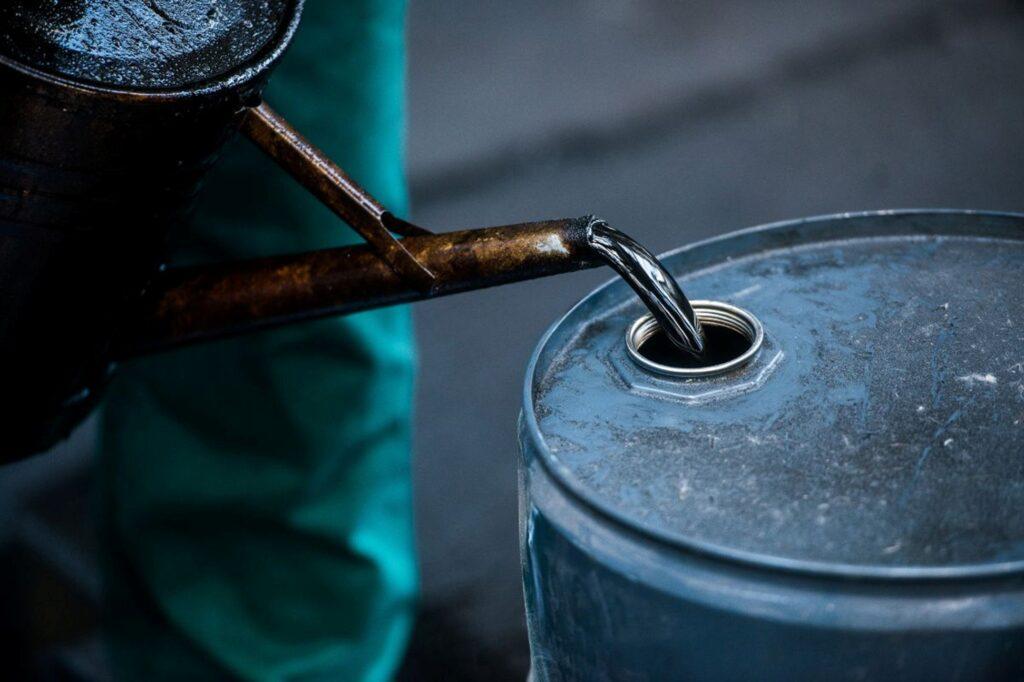
What are the Best Practices for Fuel Storage and Disposal?
Fuel plays a key role in keeping life moving. UK households depend on it for power and heating, especially during cold weather. So, storing fuel properly is very important because it directly affects your safety, health, and the environment.
Improper fuel storage can create serious risks such as leaks, fire hazards, harmful fumes, and soil or water contamination. Poor storage can also damage equipment and lead to costly repairs. In some cases, it may even cause legal issues. That is why careful storage and disposal of waste oil or fuel is necessary to avoid danger and protect everything around you.
Here are some best practices for fuel storage and disposal in the UK, helping you stay safe and compliant.
Choose the Right Storage Containers
The first step you should take is selecting proper storage containers. Not all containers are designed to hold fuel safely, and using the wrong one can lead to leaks, contamination, or even fire hazards. So, always use containers that are specifically made for fuel, such as Kerosene heating oil, storage and approved under UK safety standards.
These containers are designed to handle pressure, temperature changes, and long-term storage without breaking down. They keep the fuel safe and also protect you and your surroundings.
Store Fuel in a Cool and Well-Ventilated Area
Where you keep your fuel matters just as much as how you store it. Always place fuel containers in a cool, dry, and well-ventilated space. Heat can cause fuel to expand, which increases pressure inside the container and raises the risk of leaks or spills. Poor ventilation can allow harmful fumes to build up, which is dangerous for your health.
In the UK, where the weather can change quickly, it is important to avoid direct sunlight and damp areas. A stable environment helps maintain fuel quality and reduces the risk of accidents.
Keep Fuel Away from Living Spaces
You should never store fuel inside your home or close to living areas. Even small amounts of fuel can release fumes that are harmful. There is also a risk of fire if the fuel comes into contact with heat sources such as heaters, stoves, or electrical equipment.
The safest approach is to store fuel in a separate shed or a designated outdoor storage area. This is especially important in UK households where space may be limited. Keeping fuel away from daily living areas reduces risk and gives you peace of mind.
Label All Fuel Containers Clearly
Clear labelling is a simple step, but it makes a big difference. You should always label each container with the type of fuel it holds and the date it was stored. It helps you avoid mixing fuels, which can damage equipment or create dangerous reactions. It also ensures that anyone else handling the fuel knows exactly what they are dealing with.
In shared environments like workplaces or farms, proper labelling is essential for safety. It also helps you track fuel usage and decide when it is time to replace or dispose of older stock.
Regularly Inspect for Leaks or Damage
Make sure to check your containers regularly for signs of wear, leaks, or damage. Look for cracks, rust, or loose lids, as these can lead to spills and contamination. Early detection allows you to fix small issues before they become serious problems.
In the UK, where weather conditions can affect materials, regular inspection becomes even more important. Make it a habit to check your storage area every few weeks. It will prevent costly damage and keep your environment safe.
Avoid Overfilling Containers
It might seem practical to fill containers to the top, but this can actually create risks. Fuel expands when temperatures rise, and if there is no space left in the container, it can overflow or build up pressure. So, always leave some empty space at the top of the container to allow for expansion.
This small step reduces the chance of spills and keeps the container stable. It is especially important during warmer months in the UK, when temperature changes can be unpredictable. Proper filling levels help maintain safety and protect your storage system.
Dispose of Fuel Through Proper Channels
When it comes to getting rid of old or unwanted fuel, never pour it down drains or into the ground. This can cause serious environmental damage and is illegal in the UK. Therefore, always use authorised services for waste oil collection. These services are designed to handle fuel safely and dispose of it in an environmentally responsible way.
Using proper disposal methods helps you protect local water sources, soil, and wildlife. It also ensures that you are following legal requirements.
A Final Word
By following these practices, you can create a safer and more organised approach to handling fuel. It will not only prevent costly damages and accidents but also help you stay compliant with local safety regulations and contribute to environmental sustainability.